









As organisations accelerate AI adoption, the conversation often focuses on technology, platforms and execution. Yet for leaders driving enterprise-wide transformation, the bigger challenge is helping people adapt as quickly as the business itself.
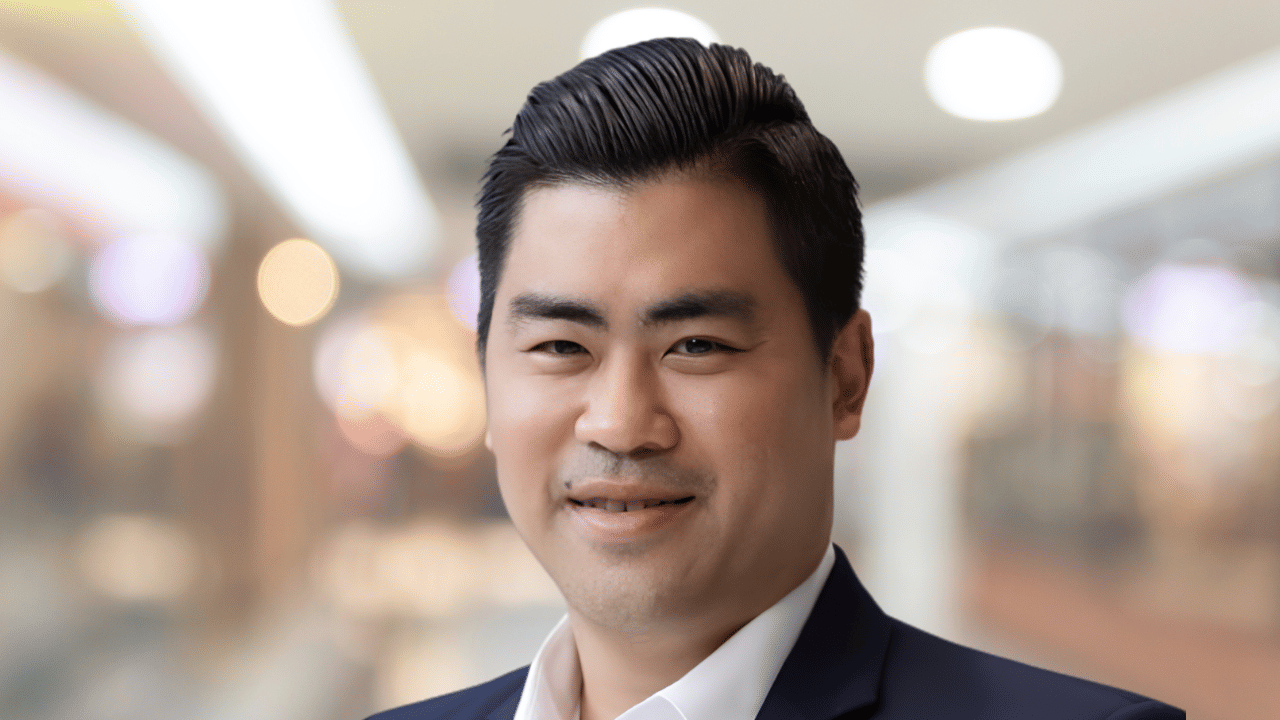
This was a key theme during a recent conversation as part of the Futurist Circle series by People Matters and Darwinbox, where leaders explore how organisations are evolving amid AI and continuous transformation. In conversation with Cheshta Dora, Head, Content & Research at People Matters, Shaun Wong, Chief Strategy and Planning Officer at CP Axtra Public Company Ltd., shared how the organisation is approaching transformation across people, processes and technology while operating at scale.
For Wong, the starting point is recognising that not everything transforms at the same speed.
"I'll tell you what's transforming the slowest first," he said. "People."
Technology, he observed, is evolving rapidly, while business models are adapting in response. People, however, often need more time to embrace new ways of working, rethink established habits and become comfortable with uncertainty. This gap between technological change and human adaptation is becoming one of leadership's defining challenges.
Why mindset remains the biggest barrier to transformation
Organisations often approach transformation through the lens of technology investments, digital capability and new operating models. Yet Wong believes the biggest obstacle frequently lies elsewhere.
"The biggest barrier is mindset."
The observation comes from firsthand experience leading transformation across a business that oversees the Makro and Lotus brands and employs approximately 85,000 people.
Coming from the retail sector, Wong pointed to how dramatically customer behaviour has shifted in recent years.
"For us as a business, about three years ago, our participation in e-commerce was around 3%," he shared. "To date, we are sitting at about 31%."
The pace of change is no longer limited to technology. Customer expectations, channels and business models are evolving simultaneously. Yet transformation often slows when organisations struggle to move beyond established ways of thinking.
Why leadership participation matters more than sponsorship
As transformation becomes continuous rather than episodic, leadership expectations are changing as well.
Traditional transformation programmes often relied on leaders setting direction while teams executed against defined plans. Today, employees increasingly expect leaders to demonstrate change rather than simply communicate it.
"I think it went from something where it's very conceptual down to really just hands-on getting it done," Wong said.
For Wong, leadership is becoming more visible, more practical and more closely tied to execution. While coaching and servant leadership remain important, transformation also requires leaders to actively participate in the process, lead by example and show that change is achievable.
Why communication cadence becomes a transformation capability
Maintaining alignment becomes difficult when transformation is happening simultaneously across business, technology and people priorities.
At CP Axtra, Wong believes communication discipline plays a critical role.
"Obsession on cadence," he said.
For Wong, alignment is not created through reporting structures alone. It comes from consistent interactions, recurring conversations and shared visibility into what matters most.
"The leadership teams must have set cadence, and we have to be obsessed with communicating."
Alongside traditional war rooms, CP Axtra introduced what Wong describes as a "Knights of the Round Table" approach, bringing together leaders from different functions to discuss business priorities, people considerations and technology developments.
The objective is not simply information sharing, but creating shared understanding across functions.
As AI improves access to insights, dashboards and real-time data, Wong believes the value of human interaction becomes even more important.
"Everyone's got different perspectives," he noted.
For organisations, alignment ultimately depends on creating regular opportunities for people to interpret information together, challenge assumptions and move in the same direction.
AI adoption begins with experimentation, not expertise
While mindset shapes transformation broadly, Wong believes AI presents one of the clearest examples of why experimentation matters.
Some employees are already using AI to solve complex problems, while others are only beginning to explore its potential. Rather than forcing uniform adoption, CP Axtra has focused on encouraging experimentation.
"The most important thing is people just need to give it a go."
During the conversation, Wong shared an example from his own team that illustrates how perceptions around AI are evolving.
While reviewing a project, one leader raised a concern about AI-generated work.
"One of the key comments that came up was: 'I know they're using AI, so this isn't their work.'"
The implication was clear: using AI was being equated with taking shortcuts.
Wong's response challenged that assumption.
"My question back was: Is that a bad thing?"
Rather than replacing effort, AI can provide teams with a strong starting point—creating an initial framework they can refine, discuss and build upon.
"People progress at different levels," Wong reflected. "But most importantly, it's the mindset."
The alternative, he warned, carries its own risks.
"If you don't use AI at this point, you're going to be left behind."
Transformation also demands difficult talent decisions
While capability building, reskilling and development remain important, Wong believes organisations must also recognise that future readiness depends on having the right talent environment in place.
"The hard decision is more about letting the people who do not adapt to change go, and getting the right talent back in."
Wong emphasised that organisations should first invest in helping employees build new capabilities. But when repeated support does not lead to adaptation, leaders may eventually need to make difficult talent decisions to maintain momentum in the transformation.
"The longer we take to make that decision, the longer it's going to take to actually make it happen."
As roles evolve, organisations increasingly value capabilities such as problem-solving, critical thinking, adaptability and empathy.
"It's all about problem-solving. It's all about critical thinking."
For leaders, the challenge today is identifying people who can continue learning as roles and business needs evolve.
The organisation of the future will look fundamentally different
Looking ahead, Wong believes organisations need to rethink not only technology adoption, but how the business itself is structured for the future.
As AI reshapes work, traditional structures, leadership roles and functional boundaries are likely to evolve as well.
"Three years, we wouldn't be talking about a chief AI officer."
The observation reflects how quickly organisations are adapting to new realities. Roles that barely existed a few years ago are becoming increasingly common, while existing leadership positions continue to evolve in response to technological change.
For Wong, leaders need to start asking difficult questions now about how work should be organised, where capabilities should sit and how organisations can remain aligned to both people and business priorities.
Transformation happens at the speed people can adapt
CP Axtra's experience highlights a reality many organisations are beginning to confront. While technology may be accelerating change, transformation is ultimately constrained by how quickly people can adapt to it.
Mindset matters as much as capability. Leadership requires visible participation rather than passive sponsorship. Communication becomes a strategic discipline, not an operational activity. And AI adoption begins with experimentation long before it becomes embedded in workflows.
For Shaun Wong, enterprise transformation is ultimately less about deploying the next technology than building an organisation capable of continuously adapting to change. AI may accelerate the pace of disruption, but mindset, leadership and execution will determine whether transformation delivers lasting business value.
Watch the full interview here.
This story is part of The Futurists, a leadership series featuring bold ideas and perspectives from CXOs shaping the future of business across Asia.