









The manufacturing sector has been in urgent need of talent for years now, and one of the most frequently raised solutions is to get more women into manufacturing-related professions, especially STEM. But this solution comes with its own challenges. Globally and regionally, a low proportion of women enrol for STEM education, and an even lower number actually go on to remain in the industry over the long term.
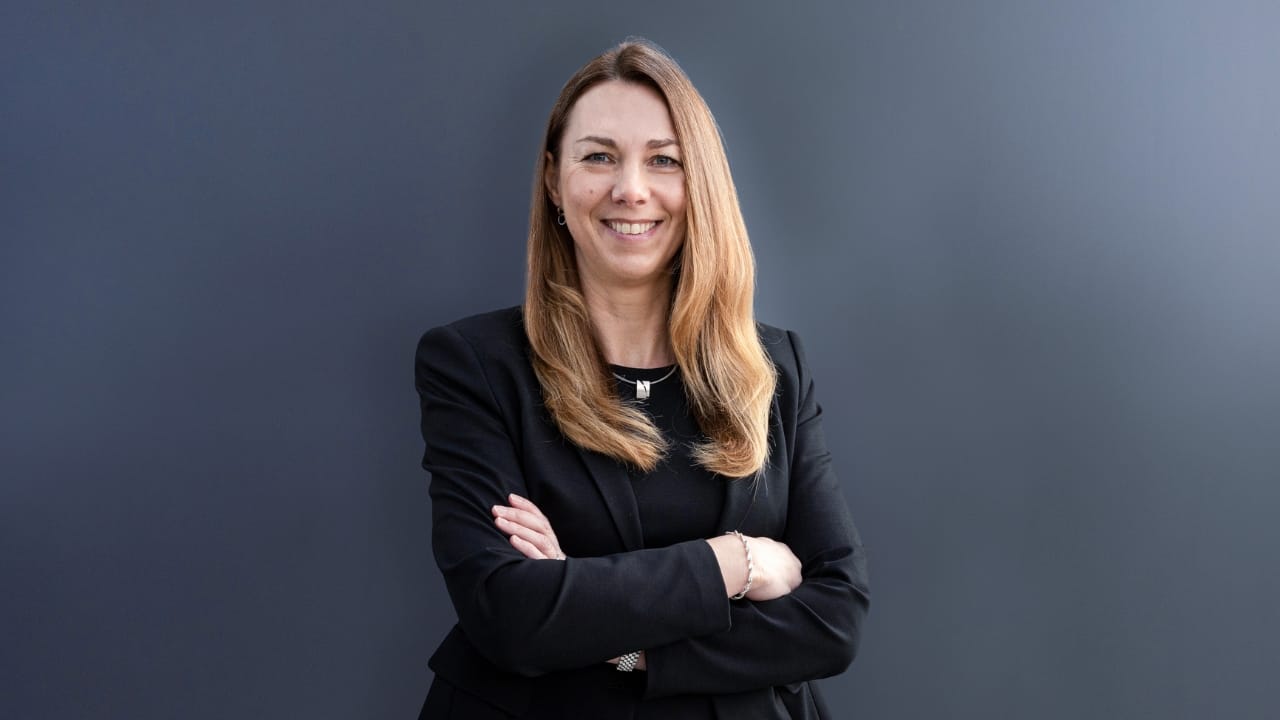
So what actually works? People Matters asked Dr. Ingrid Sebald, Board Member Technology at adhesives manufacturing giant tesa SE, for her perspective on getting women into manufacturing and keeping them there.
A change in attitudes from the top down
With over 20 years in technology across North America, Europe, and Asia, and a doctorate in chemistry, Dr. Ingrid has seen the industry worldwide shift noticeably to become more accepting of different talent profiles.
"The evolution is remarkable," she said of the change. "When I started my career, gender diversity was rarely discussed. Today, it's a recognised business priority."
tesa is one of many large multinationals that have quantified that priority in its business metrics. By mid-2027, the goal is for at least 30% of the first management level and 35% of the second level to be women. The objective here is not so much fairness or equitability, said Dr. Ingrid, as it is about ensuring that the business has the full spectrum of talent and perspectives needed for scientific and technological advancement.
"Bringing together different mindsets is essential for developing sustainable solutions that meet complex customer needs while complying with global regulations like CSRD," she said."As a scientist and leader, I've seen firsthand how diverse teams approach problems from multiple angles, often uncovering innovative solutions that might be missed by more homogeneous groups, particularly when tackling complex technological challenges."
CSRD, the Corporate Sustainability Reporting Directive, is an European Union regulation that imposes a more rigorous ESG reporting process. It came into effect in 2023 and extends to all companies operating in the region.
In practice, the metrics translate into a much higher level of openness from senior leaders to address unconscious bias, track metrics, and integrate diversity into strategic decisions, Dr. Ingrid explained. This also extends to research and development, where approaches and methodologies are deliberately designed to be more inclusive.
"From my experience of leading technology teams, I have found that innovation thrives when diverse perspectives converge. Gender diversity is essential to this process, as it brings unique viewpoints and experiences that spark new ideas and approaches. I have seen first-hand how combining these varied perspectives leads to more creative solutions and innovations with a stronger impact on customers."
What about building a more extensive pipeline?
Tomorrow's talent pipeline is heavily dependent on the success of today's initiatives to attract young people into the industry, Dr. Ingrid said. She shared that tesa has implemented a variety of STEM exposure initiatives to engage children's interest, such as mint:pink, which introduces 9th grade girls to hands-on experiences, and mint:dual, which creates pathways into technical education.
"These programmes are rooted in our belief that early engagement with scientific concepts builds confidence and interest that translates to career choices later," she explained.
The initiatives follow the natural progression of a young person's education. For youths entering high school or university, tesa has established partnerships with well-known universities for dual-study programs where students combine academic education with hands-on experience and consistent mentoring, with the ultimate objective of giving them a structured path into technical careers.
"We complement these with initiatives like Girls' Day, where school girls experience scientific roles directly in our facilities," Dr Ingrid added. "These collaborations are highly effective because they allow young women to visualise what a technical career at tesa actually looks like, significantly lowering barriers and building confidence."
As an additional touch, all of this needs to come with visible role models, especially women in leadership. The more often stories about women in the industry are shared, the more their success will be normalised and the more achievable their career paths will look to young people. And if these stories can integrate a strong element of societal responsibility, all the better, Dr. Ingrid feels.
"I personally believe that demonstrating how technological innovation directly contributes to solving important challenges helps attract diverse talent, as it connects scientific work with meaningful impact," she said.
Globally, tesa also supports education projects providing equal opportunities to young people, especially in countries where girls have fewer chances to pursue STEM education.
How successfully can such a pipeline deliver the talent you need in 20 years?
Very successfully, Dr. Ingrid believes, as long as it is maintained continuously and consistently. Companies that can leverage their scientific culture to talent development will have an existing edge, she added, because such a culture, being heavily data-driven and evidence-based, will naturally be effective at identifying and removing barriers to advancement throughout careers.
"We foster an inclusive culture where women see role models and have access to mentoring and sponsorship, providing the "staying power" essential for long-term development," she said. "Our recruitment and promotion processes are designed to be transparent and bias-free, balancing the needs of our business, employees, and society."
Technology-driven companies like tesa, she pointed out, can especially benefit from retaining women through career transitions and ensuring that innovation teams reflect diverse perspectives. This will often mean creating flexible career paths that accommodate different life phases while maintaining access to challenging scientific and technical work, so that women can keep their industry edge even as they balance each stage of life.
"For me personally, mentoring young women and encouraging them to take bold steps early in their careers has been particularly rewarding," Dr. Ingrid shared.
"I believe that technological innovation thrives when diverse perspectives are included at every level, which is why we must ensure that women scientists and engineers have clear pathways to senior decision-making roles where their expertise can shape the future of our industry."
This article has been updated to reflect a change in Dr. Ingrid Sebald's designation between time of interview and time of publishing.