









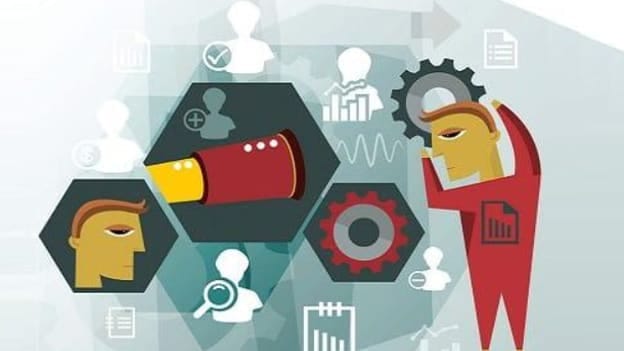
Organizations are jumping onto the HR technology bandwagon, adopting HR technologies in a bid to make talent management processes more engaging and productive. HR tech strives to create compelling employee experiences, by placing employees at the heart of talent processes. More power to the people helps create a sustainable, self-servicing model which equips employees and supervisors to take the right career decisions. Naturally, the true potential of HR technology can be realized only when people actually embrace it and use it on a daily basis.
The people impact of HR technology
Humans by nature are averse to change, and a technological shift is a huge change for employees. HR technology transformation marks a significant shift in the ways of working and employee expectations, often creating homeostasis i.e. negative employee-impacts such as anxiety, reduced productivity, demotivation etc. This is especially true for certain employee groups.
71 percent of millennials agree that technology is a must-have in organizations where they work, versus 66 percent of Gen-X-ers and 53 percent of Baby Boomers, according to a CompTIA survey.
It is, therefore, critical that employees are “eased” into the new normal, and hand-held to use the new technologies, whether it is a cloud HRIS, or a new social engagement platform. This is in the interest of the HR team as well, because encouraging self-service models can free up valuable time for HR professionals to focus on more value-adding work. All in all, organizations must build in adoption strategies as a key component of the HR technology transformation strategy.
How to encourage adoption: Some key steps
A well-conceptualized strategy to encourage adoption starts with defining a clear goal which will help analyze whether technology adoption is achieved or not.
-
Design for ease of adoption: A host of HRIS are available in the market, make sure to apply design thinking to put together an HR technology makeup which aligns with business objectives as well as the employee needs and expectations. It is best to listen to the employee voice through focus group discussions and consider their inputs even before the transformation exercise.
-
Train and hand-hold the employee: A new HRIS can hamper productivity during the time employees get accustomed to using the new systems and workflows. L&D must design and deploy engaging post-implementation training interventions, with intermittent refresher sessions. New joiners should be trained from the start through the onboarding modules. With human connects like employee focus groups and leadership connects, to tech-led engagements such as chatbot assistants and gamified learning to drive the adoption. Continuous learning is the key to sustained technology adoption and breaking it down into micro-learning nuggets can help build confidence in employees.
-
Communicate the change: HR must work towards helping employees believe that the new technology is good for them. An extensive marketing and communication campaign is a part and parcel of any change management exercise. Share the what, the why and the how of the change. Continuously share information and insights through various media such as intranet, social platforms, walk-ins, etc. to encourage employees to try out the new systems.
-
Deploy change management techniques: Above all, technology enablement is more an outcome of mindset change. While technologies can be learned, overcoming the mindset and perception barriers take continued commitment and effort. A successful transition does not stem from mere information-sharing, employees must be enthused and inspired so that they can overcome their fear. Inspire participation in various ways. Get inspiring leaders to showcase how technology is being used and how it is helping them. Institute an innovative rewards and recognition program to push adoption. Use a blend of technology and human-connect to help employees understand “What’s In It for Them” and build trust in the new ways of working.
-
Celebrate the change: Perhaps, what will help build employee confidence is to celebrate the wins, no matter how small they are. Showcase live examples of how the HR technology transformation has changed lives for the better. Reward those who are using the technology, and appoint them as brand ambassadors for the change. This will help reinforce the “WIIFM (What’s In It For Me)" in a more relatable way and reassure employees that the change is good for them.
-
Monitor the change impact: As HR, it is critical to monitor the impact of the change, periodically. Assess the goal-attainment and employee-response from time to time, and look for early warning signs of the change going downhill. This will help take pre-emptive action early-on.
HR must also accept that it may not be possible to get every single person on board the change bandwagon, but as long as the majority are convinced, positive change will happen. This requires ongoing leadership investment--investment in terms of time, effort, finances and readiness to rock the boat. As long as the majority of the top talent believe in the inherent goodness of the change, the change will sustain.