









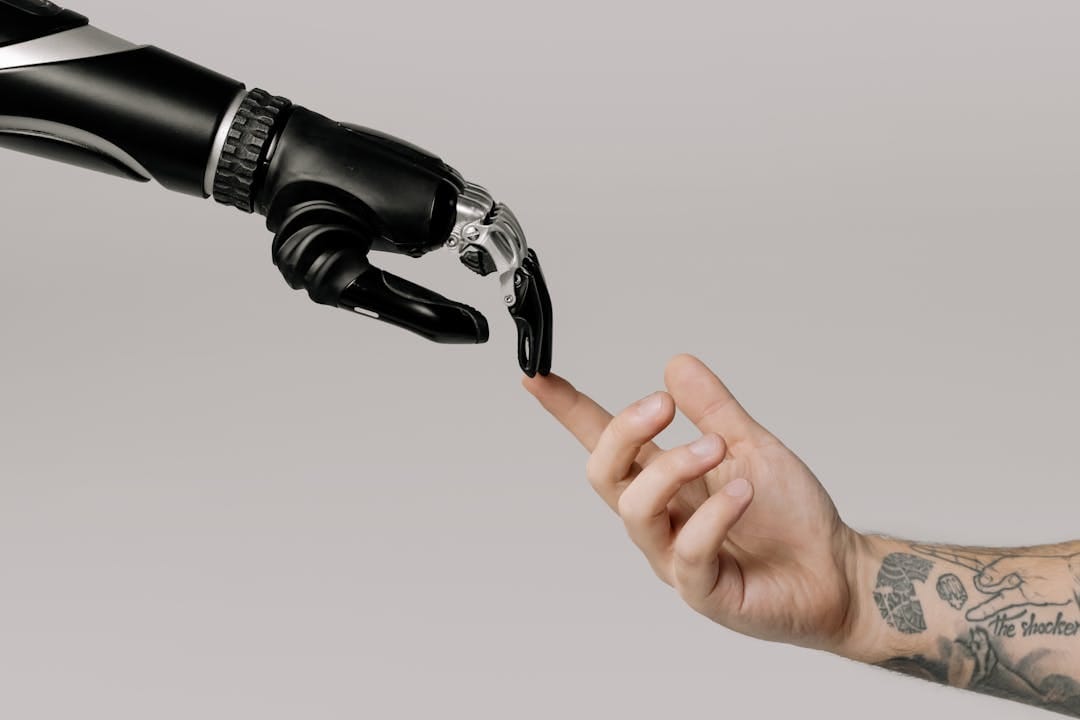
It shouldn’t come as a surprise by now that artificial intelligence has drastically reshaped the way we work. According to McKinsey, 92% of companies plan oninvesting more in AI over the next three years, while 70% of employees say it will change at least a third of their work.
While the growing role of AI in the workplace has led to fears that it will soon replace office jobs, it can also provide new opportunities. The World Economic Forum says the AI boom could create 78 million new roles by 2030, with especially high demand for AI-facing skills.
To thrive in this new landscape, employees should focus on developing the following skills that complement the growing capabilities of AI. These include not just technical proficiencies but also human-centric ones that improve collaboration and future-proof careers in the age of AI:
Data analysis
While AI can provide information at volumes far greater than an ordinary human, it still needs to be processed to be used properly. This is where skills in data cleaning, processing, and visualization can come in handy.
Proficiency in visualization tools, such as Matplotlib and Tableau, is especially helpful in identifying inefficiencies and highlighting critical data. It can also be used to create reports summarizing all the complex information from the AI and simplify it so it can be understood by various stakeholders.
Prompt engineering
Prompt engineering involves creating effective inputs that enable AI models like Gemini or ChatGPT to produce relevant and valuable information. Improving your skills in this area can significantly improve the tone and accuracy of AI-generated content, whether it’s writing, coding, image generation, data analysis, or customer service.
Although prompt creation is expected to become less important as AI technology improves, it does come with the additional benefit of being better at communicating with AI. Just like asking another human for help, understanding how to interact with AI will help you get the answer you’re looking for in a shorter period of time.
Workflow automation
The integration of AI into business processes has made workflow automation another essential technical skill. AI integration platforms likeZapier, for instance, can help automate repetitive tasks. Being able to identify opportunities for automation within your own workflows, such as managing emails or generating recurring reports, is a plus.
By understanding the capabilities of various automation platforms and integrating them into daily business processes, you’ll be able to streamline and speed up your tasks. This can free you and your colleagues to focus on more creative and strategic work that adds value to your role in the organization.
Low-code/no-code development
Low-code and no-code (LCNC) platforms enable individuals without a traditional programming background to build applications using graphical interfaces and pre-built components. These platforms, which include Microsoft Power Apps and Airtable, can produce custom solutions like internal tools or simple desktop or mobile apps.
As LCNC platforms are modular, they can be combined with pre-trained AI models to add new features like sentiment analysis or predictive forecasting. AI can also be leveraged to assist in the development process by generating code or suggesting components. This powerful combination can enable individuals to make highly efficient custom apps and workflows.
AI ethics and cybersecurity
As AI systems become more deeply integrated into business operations, the need for cybersecurity and AI ethics roles also grows. These roles involve identifying risks, devising strategies, and implementing tools to protect sensitive data from cyber threats related to AI models.
Aside from securing data, organizations that implement AI must also have roles handling its ethical implications. This involves understanding biases in data, ensuring fairness in AI-driven decision-making, and adhering to ethical guidelines. By comprehending both the technical security aspects and the ethical considerations, these team members can help their organization use AI responsibly and mitigate risks.
The rise of AI in the workplace presents a choice: adapt and thrive or risk being left behind. By developing AI-centric skills and gaining a better understanding of the role AI plays in the workplace, employees can turn this technological shift from a threat into an opportunity.