









Organisations are investing heavily in AI, automation, and digital transformation, yet technology alone is proving insufficient to create lasting business value. Research shows that organisations generate the greatest returns from transformation when investments in technology are matched by capability building, leadership development, and operating model change.
Against this backdrop, the defining challenge is no longer whether organisations can adopt new technologies, but whether they can continuously adapt the way people, technology, and culture work together.
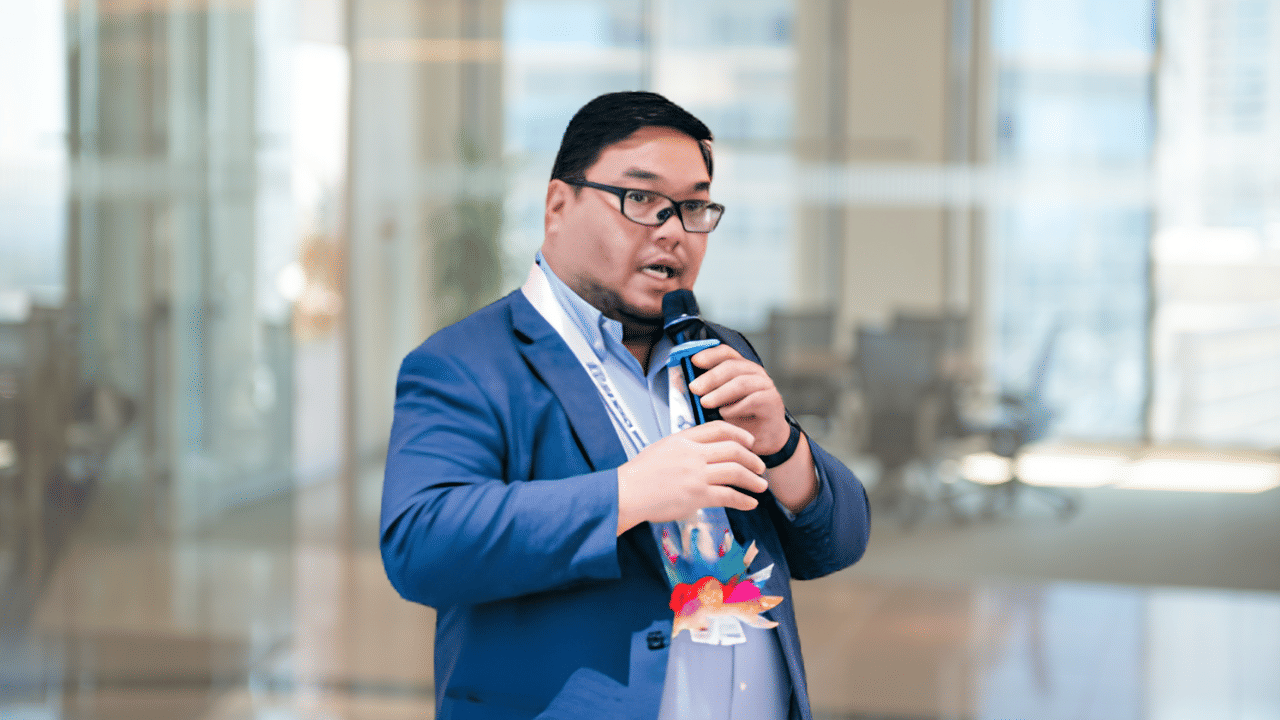
At iQor, this transformation is viewed as an ongoing organisational capability rather than a one-time initiative. In this interview with People Matters, Atty. Wilbur Gadicho, Vice President, Human Resources (Philippines & Hong Kong), shares how building an adaptive enterprise requires organisations to invest ahead of change, embed continuous learning into everyday work, and create connected people ecosystems where data, leadership, and human capability drive better decisions.
Q. In an industry shaped by rapid technological and workforce change, what distinguishes organisations that are simply adapting from those that are actively creating the future?
Wilbur: The difference lies in whether an organisation treats change as a challenge to manage or as an opportunity to design the future.
Organisations that are merely adapting tend to react to market shifts after they occur. They focus on keeping pace with disruption, implementing new technologies, adjusting workforce models, and responding to changing customer expectations. While necessary, this approach is inherently defensive.
Organisations that create the future invest ahead of demand, continuously experiment, and build capabilities before they become urgent.
In the customer experience industry, the future will be shaped by organisations that can reimagine work itself. How are decisions made, how is talent developed, how are customers served, and how do human and digital capabilities interact?
We view workforce transformation not as a periodic project but as a continuous capability. The organisations that thrive in the next decade will be those that institutionalise adaptability, learning, and innovation as part of their operating model.
Q. As AI becomes more embedded in the workplace, how do you see the relationship between technology and human capability evolving over the next few years?
Wilbur: I believe we are moving away from the narrative of AI replacing people and toward a much more practical reality, which is that AI enables people.
Historically, technology has automated tasks. AI is different because it increasingly supports judgment, analysis, creativity, and decision-making.
Over the next few years, the most valuable employees will not necessarily be those who can perform tasks the fastest, but those who can effectively collaborate with intelligent systems. Skills such as critical thinking, problem-solving, communication, emotional intelligence, adaptability, and ethical decision-making will become even more important because these remain uniquely human strengths.
For leaders, deploying AI tools is only the beginning. The real challenge is redesigning roles, workflows, performance expectations, and development pathways to maximise the value created by human-machine collaboration.
Q. What is the most important shift organisations need to make today to build a workforce that can continuously learn and adapt?
Wilbur: The most important shift is moving from a mindset of training employees for today's jobs to preparing employees for tomorrow's challenges.
Learning must become embedded in the flow of work. Employees need opportunities to develop new capabilities through projects, stretch assignments, cross-functional exposure, coaching, and real-time learning experiences. The focus should be on building learning agility rather than simply transferring knowledge.
Equally important, leaders must create psychological safety for experimentation. Employees cannot adapt if they fear failure. Organisations that encourage curiosity, calculated risk-taking, and continuous improvement will build more resilient workforces.
Q. At iQor, how are you shaping a culture that delivers both a strong employee experience and high performance at scale?
Wilbur: At iQor, our focus is on creating clarity, capability, and connection. Employees perform best when they understand what success looks like, have the support to achieve it, and feel connected to the organisation's purpose.
We invest heavily in leadership development, employee engagement, wellbeing initiatives, recognition programs, and continuous feedback mechanisms. At the same time, we maintain a strong culture of accountability and operational excellence. We believe employees deserve both support and clear expectations.
As we continue to grow and integrate operations across different locations and business units, consistency becomes increasingly important. We strive to ensure that regardless of geography, employees experience the same values, standards, and commitment to growth.
Q. As organisations grow more complex, workforce decisions often become fragmented across functions, systems, and geographies. How can leaders create a more connected people ecosystem that enables better visibility, faster decision-making, and a more consistent employee experience?
Wilbur: I believe creating a connected people ecosystem requires three elements.
First, organisations need integrated data and technology platforms that provide a single source of truth across the employee lifecycle. Leaders cannot manage what they cannot see.
Second, there must be alignment between HR, operations, finance, technology, and business leadership. Workforce planning, talent management, productivity, and employee experience should be discussed collectively rather than in isolation.
Third, organisations need to move from reporting what happened to predicting what will happen. Predictive analytics, AI, and workforce intelligence can help leaders identify risks, anticipate talent needs, and make proactive decisions before issues become business problems.
The future of workforce management will be increasingly data-driven, but success will still depend on leaders who can combine analytics with sound judgment and human understanding.
Q. Looking ahead, what is one leadership principle that will define organisations that successfully create the next era of work?
Wilbur: The most successful leaders will be those who remain agile without losing sight of purpose. They will make decisions quickly, embrace experimentation, empower their people, and provide a clear sense of direction through change.
Leadership is no longer about having all the answers. It is about creating environments where innovation can flourish, people can thrive, and organisations can respond effectively to change.
Building organisations that are designed for continuous change
Wilbur's perspective highlights that adaptive organisations are not built through technology programmes alone. They are created through deliberate leadership choices, via embedding learning into everyday work, designing systems that connect people and data, and creating cultures where experimentation and accountability coexist.
As AI accelerates organisational change, the leaders who will shape the future are those who view adaptability not as a response to disruption, but as an organisational capability that is continuously developed.