









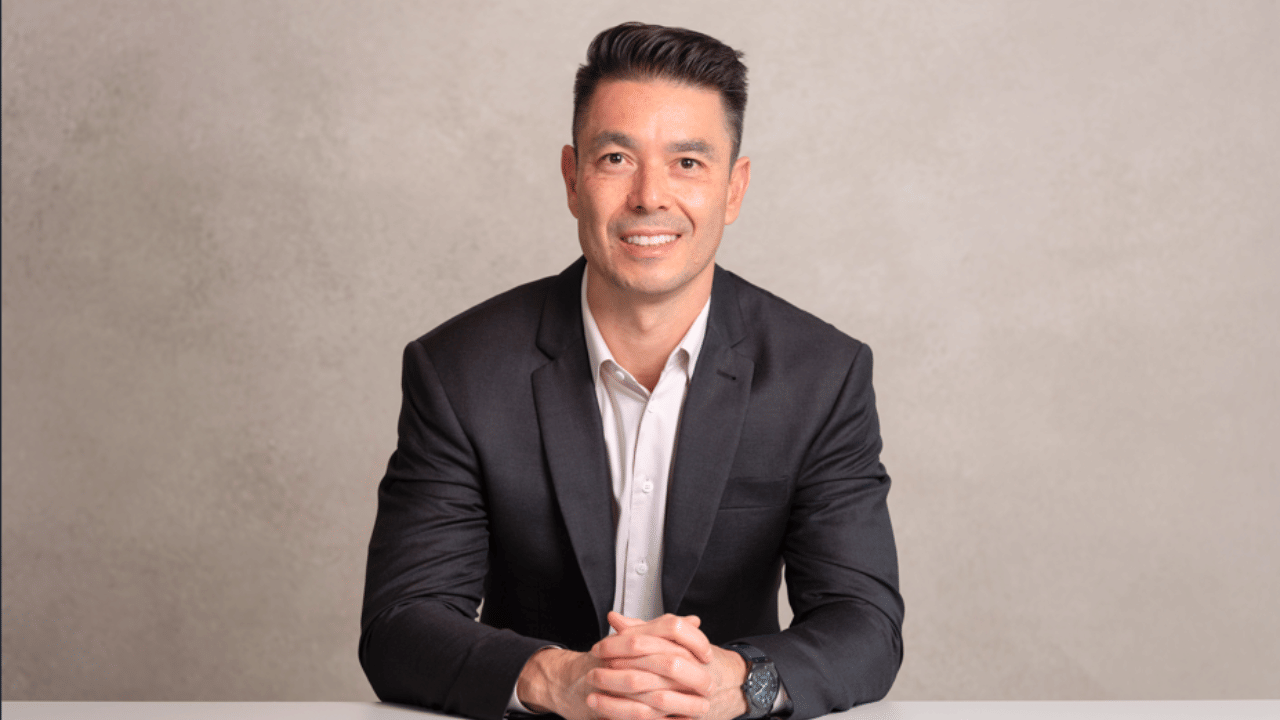
When Eduardo Tutihashi packed his bags and left Brazil for Singapore, he wasn’t just moving halfway across the world; he was stepping straight into the heart of one of the most diverse, fast-changing regions on the planet. As Asia VP at AbbVie, Tutihashi has learned that leading teams here isn’t about following a playbook; it’s about listening deeply, adapting constantly, and finding common ground across cultures and expectations that rarely sit still.
In this conversation with People Matters, Tutihashi pulls back the curtain on what it really takes to build trust, nurture innovation, and keep people connected when the world, and work itself, keeps shifting. His journey is filled with practical wisdom, honest reflections, and a few surprises.
Read the edited excerpts below:
How has your transition from Brazil to Singapore influenced your perspective on leading diverse teams and building culture across regions?
The move from Brazil to Singapore was more than a geographical shift – it broadened my perspective. It has given me the opportunity to experience firsthand the diversity across Asia. Not only in terms of our business operations, but also in terms of culture, communication styles, expectations, and ways of working.
At AbbVie, leadership is about creating an environment where different voices are heard, respected, and reflected in how we work to deliver impact.
Diversity is not only about representation – it is about building trust, encouraging open dialogue, and turning different perspectives into better outcomes. This kind of culture is what makes a workplace truly strong and rewarding.
What cultural or professional differences have you observed between Brazil and Asia, and how have these shaped your leadership approach at AbbVie?
What has stood out to me most is the diversity within Asia itself. Every region has its own cultural nuances, but Asia has particularly reinforced for me how important it is to lead with local context in mind. In this region, there are certainly differences across countries, but also some shared cultural reference points.
I have found that Asia often requires an even more nuanced approach because differences between markets can be quite significant. This has really shaped how I approach leadership at AbbVie. I’ve had to become much more adaptable, not just at a regional level, but market by market. At the same time, while we recognise and respect the cultural diversity across our global organisation, our professional objectives are consistently aligned around a “Patient First” approach.
This shared focus guides how we develop both global and national plans, ensuring that regardless of market differences, we are working towards the same goal. I see my role as connecting global priorities with local realities, ensuring they resonate in each market, and bringing local perspectives into the global conversation. Ultimately, this helps us stay aligned, build trust, and make better decisions as an organisation.
AbbVie operates across highly diverse markets. How do you ensure employee engagement strategies maintain local relevance while scaling globally?
Our approach is to maintain global consistency in the way we listen and measure engagement, while ensuring that the actions that follow are shaped locally. A global framework only works if it creates space for local context, local priorities, and local ownership. Programs like the “Week of Possibilities,” the AbbVie Foundation’s annual global volunteering event, are an inspiring time when thousands of employees come together to serve our local communities.
It provides a shared platform across the organisation, while each market defines what impact looks like in its own local context — whether that’s improving healthcare access, supporting education, or strengthening communities.
Similarly, “Celebration of Culture” is guided by a global framework, but each Asian country adapts it to reflect local traditions, priorities, and employee experiences, making it meaningful at the market level. Balancing global alignment with local ownership is what makes employee engagement feel both cohesive and meaningful.
What concrete steps has AbbVie taken to foster a consistent “speak-up” culture and psychological safety across different countries and cultures?
Our culture invites diverse voices to contribute to building the company and the future we want. Leaders are asked to model open, honest and candid dialogue, set clear expectations and foster an environment where people are genuinely encouraged to share ideas and concerns respectfully yet courageously. We call this leadership attribute “clear and courageous”.
We have focused on creating multiple, accessible channels for feedback to bring this to life. That includes formal mechanisms like engagement surveys, as well as more immediate human touchpoints such as cross-functional meetings, town halls, small-team discussions, and one-on-one conversations. What really matters is what happens after people speak up. If feedback is not acknowledged or acted on, trust can erode quickly.
That is why we place a strong emphasis on closing the loop — creating space for people to make their voice heard and contribute, listening carefully, making informed decisions based on different inputs, explaining what actions will be taken, and being transparent when change takes time. For me, that is what turns speak-up culture from an idea to a lived experience.
How do you measure the success of these initiatives?
I measure success by looking at both what people say and what actually changes. On the people side, I look for higher employee trust scores, stronger inclusion and engagement results, and whether people feel safe raising concerns or challenging ideas. On the behaviour side, I watch for more upward feedback, more cross-site collaboration, and faster issue resolution because employees are speaking up earlier.
For geographically dispersed teams, consistency matters too — the question is whether people across locations feel equally heard, not just those closest to leadership. If teams are using feedback channels, managers are responding constructively, and leaders are acting on feedback, that’s a strong sign that the behaviours our culture seeks to amplify are taking hold. That consistent follow-through is what builds trust.
As AI-driven digital transformation accelerates, how is AbbVie preparing its teams to be future-ready, and what new workforce expectations and skillsets are emerging in response to the rise of artificial intelligence?
AbbVie is preparing its workforce for an AI-driven future by embedding data, technology and cross-functional collaboration at the core of how our teams operate. First, we are focused on building digital and AI fluency across the organisation, so our people not only understand how to work alongside AI but also use it responsibly and translate insights into better decisions and stronger execution. In our industry, it has traditionally taken 10 to 15 years to bring a medicine from discovery through to clinical development.
By embedding artificial intelligence and machine learning across our R&D process, we can cut that timeline in half. At the same time, we recognise that as AI becomes more embedded in everyday work, the human element becomes even more important. So we are equally focused on strengthening skills like critical thinking, problem-solving, adaptability, collaboration, and ethical judgment.
How do you balance the need for a unified global culture framework with the unique needs and nuances of employees across Asian markets?
A strong culture is defined by how well employees and leaders work together to deliver impact. We know from our strong rankings as a Best Workplace by Great Place to Work in many of our Asian markets that employees value our focus not just on what we achieve, but also on how we achieve it. That’s what differentiates us as a great place to work and helps us deliver business impact.
For me, the balance between a global culture framework and unique local needs comes from staying consistent with our culture while recognising that how these behaviours are brought to life may look different across markets. For example, locally, we have focused on advancing inclusion through our Women Leaders in Action group, which provides resources and programming to support women’s leadership and foster a stronger sense of community across the region.
It’s a practical way of making our global commitment to inclusion feel real at the local level.
What mechanisms or practices have you found most effective for embedding accountability, transparency, and collaboration into AbbVie’s organisational culture?
I think culture becomes real in the moments when no one is explicitly talking about it. At AbbVie, we have worked to embed accountability, transparency, and collaboration into everyday behaviours, rather than treating them as separate initiatives. For example, our Ways We Work set expectations for the behaviours and leadership attributes we value, and those expectations are reflected in year-end performance evaluations.
Transparency comes through regular meetings, cross-functional discussions, and town halls, where people are encouraged to ask questions and share perspectives openly. Collaboration is reinforced by design, through regional interactions that push teams to think beyond their day-to-day and regular scope of work.
Collaboration is strongest when people step outside their comfort zones and work across functions, markets, and disciplines — because that is often where better ideas and better outcomes emerge. Ultimately, the biggest driver is leadership. When leaders are open, consistent, and willing to listen, those values cascade naturally across the organisation.
With workforce demographics and expectations rapidly evolving, what leadership qualities do you believe are most critical for the next generation of HR leaders?
I believe the most critical qualities for the next generation of HR leaders are strategic focus on talent, adaptability, and enterprise-minded leadership. First, they need to build a strong leadership and critical talent pipeline with both breadth and depth—and do so at pace. That means not just identifying future leaders but holding the organisation accountable for talent outcomes so the pipeline is ready when the business needs it.
Second, they need to be leaders of change. Workforce transformation and organisational redesign require HR leaders who can work across functions, reduce disruption, and help new operating models become high-performing from day one. In today’s environment, HR can’t sit on the sidelines of change; it must help shape it.
A great example of driving change is the role I see the next generation of HR leaders having to accelerate AI adoption across all levels of the workforce, not as a technology exercise, but as a way to redesign work, build new capabilities, and prepare the organisation for what comes next. In fact, the next generation is coming sooner than a generation; it’s happening now.
Our HR team is at the forefront of partnering with the business and our technology team to meet this moment. And finally, they need to be data-driven decision-makers. The ability to connect people, jobs, skills, and organisational data will be essential for making smarter talent decisions, improving employee experiences, and delivering measurable business value at scale.
So, in short, the next generation of HR leaders will need to be talent developers, transformation leaders, and data-informed strategists.