









As AI becomes embedded in everyday work, organisations must decide not only what technology can do, but where human judgment must remain in control. That means redesigning jobs, workflows and decision rights while preserving the capabilities needed to interpret context, challenge outputs and take responsibility.
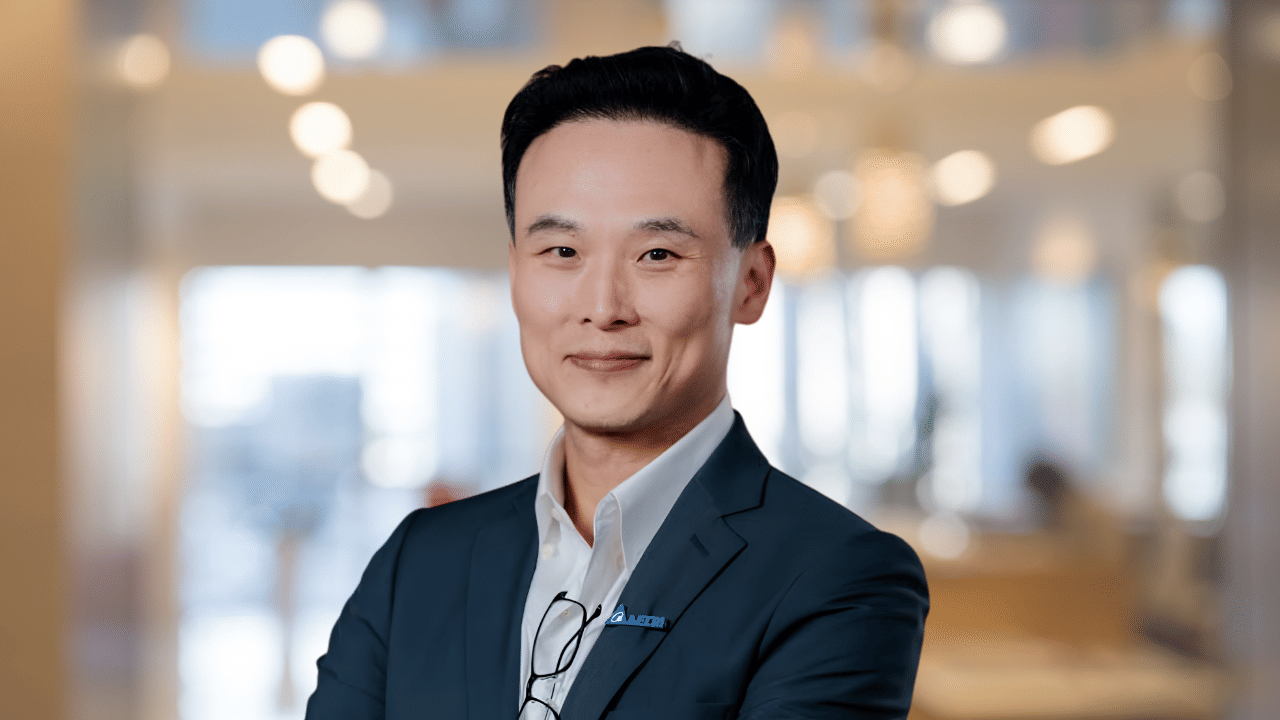
Chih Hao Huang, CHRO, Delta Electronics Thailand, spoke to People Matters about redesigning work around human judgment, governing AI responsibly and building the organisational foundations needed for future growth.
For Huang, the central question is not whether AI can perform a task. It is whether the task contains a point at which human judgment is essential, and whether a small error could create a significant organisational risk.
His conclusion is clear: the greatest risk is not AI replacing people, but AI replacing human judgment.
CH Huang explores these questions further in his forthcoming book, "Workspace OS™ — The AI Judgment Multiplier", which examines how organizations can redesign work around human judgment, AI authority and accountability.
Redesigning Work Around Judgment
Q. As AI becomes embedded in everyday work, how should organisations redesign roles and workflows while keeping human judgment at the centre?
CH Huang: We do not necessarily need to balance AI and human capability. AI is already highly capable of performing tasks efficiently. The more important question is how to redesign work so that human judgment directs and multiplies that capability.
Within a clearly defined boundary, AI can handle the vast majority of repetitive, scalable and high-volume tasks. But when a task involves an area where human judgment is essential, even a minor error can multiply into a serious organisational mistake.
That is why companies should begin with a different question. Instead of asking, “How quickly can AI create value?” they should ask: “Does this task require human judgment, and could a small error have serious consequences?”
If the answer is yes, human judgment must be built into the workflow before AI is introduced. Organisations must define which parts of the work are led by human judgment and which parts are led by AI efficiency. Once that boundary is clear, responsibility and accountability can also be defined more effectively.
Organisations can lose sight of this when they focus only on replacing jobs or maximising computing power. Some human interactions may appear inefficient through an immediate ROI lens while remaining essential to organisational development. Conversations with customers, employees and other stakeholders can reveal context, emotions and concerns that may not be visible in the data.
Once those boundaries are clear, AI can handle repetitive and scalable work, while people retain the roles that require judgment, oversight and decision-making. In that model, human judgment does not compete with AI efficiency; it directs and multiplies it.
Leadership, Accountability and Human Capability
Q. As AI becomes more capable, what leadership capabilities and accountability mechanisms will become increasingly important?
CH Huang: This is a difficult question. From the board of directors’ point of view, leaders need to look beyond speed, efficiency and AI ROI. They must also ask: What human capabilities do we need to retain and develop, and how can people elevate AI capability?
AI investment and human capability development have to be considered together. If boards focus only on profit, efficiency and speed, they may invest heavily in AI while overlooking the human judgment needed to govern it.
Let me give you an example. An Air Canada customer used the company’s chatbot to ask about a bereavement fare. The chatbot indicated that the customer could purchase the ticket first and apply for the reduced fare afterward. Air Canada later said that this information was incorrect and declined the request. The tribunal held that Air Canada remained responsible for the information provided through its chatbot.
For managers working with AI in daily operations, accountability is essential. They need to be able to look at a situation and decide: “This is correct; let AI do it.” Or: “No, this is not right. Stop.”
Another capability is what I call a “sense of taste”. I do not mean taste in relation to food or drink. I mean the ability to understand the situation and recognise what is happening behind the available information.
AI can analyse information, but it may not fully understand the emotions or context in a conversation between a customer and a salesperson or customer-service representative. Human beings can read something behind the conversation.
Leaders need to develop this capability in themselves and in their teams. As AI becomes more capable, organisations will need people who can understand context, challenge outputs, exercise judgment and take responsibility for decisions.
AI can improve productivity, but company accountability cannot be replaced by AI. People need to manage and utilise AI’s capabilities while retaining the authority to say no and provide a fallback when AI gets something wrong.
That human fallback allows us to calibrate AI.
Building Organisational Capability
Q. As organisations balance today’s performance with future growth, how can leaders build the capabilities needed for what comes next?
CH Huang: Drawing on seven or eight career experiences in which organisations doubled their revenue or capacity, I see three common factors.
First, they had clear goals aligned with the business vision and mission. When challenges emerged, leaders returned to the organisation’s mission and values and worked with the team to reach consensus.
Shared direction also gave external stakeholders, including government, customers and supply-chain partners, greater confidence in supporting the organisation. When stakeholders understand the organisation’s position and values, they are more willing to provide resources and support.
Second, they delivered today while building for tomorrow. For me, preparing for the future means looking two to three years ahead.
Organisations must maintain current productivity, product delivery and cost savings while preparing for future growth. That means developing talent, preparing materials, strengthening the supply chain and building relationships with local communities and other stakeholders.
Leaders need to reserve resources and time for this future foundation. They cannot focus only on immediate performance and expect future growth to happen automatically.
Third, they continuously upgrade the way the organisation works. New goals often require changes to processes, mindsets, workflows and collaboration. This can create resistance, so organisations need effective communication, appropriate tools and policies and reward systems that reinforce the desired behaviours.
AI and other smart tools can support this process, but tools alone are not enough. People also need sufficient energy, resources and support to solve problems and grow. When those foundations are in place, they can spend more time improving the organisation rather than managing avoidable obstacles.
This is also where HR plays an important role. HR needs to understand the business strategy and translate it into organisational capability: the right design, talent, human–AI collaboration, policies, processes and tools.
HR should maintain a critical dialogue with country and function heads about market changes and the capabilities the organisation needs to develop. If a company wants to expand, introduce new technology or grow sales through key accounts, HR must understand what that ambition requires from the organisation and its people.
I see HR as the link between strategy and execution. Business leaders set the direction, make decisions and lead their teams. HR helps turn that direction into the structures and mechanisms that allow the strategy to happen.
Organisations must therefore deliver on today’s priorities while building the capabilities required for tomorrow. The opportunity with AI is not simply to automate more work, but to create organisations in which technology amplifies human capability, and people retain the judgment and accountability needed to use it responsibly.
“The greatest risk is AI replacing human judgment.”