









As organisations across Southeast Asia accelerate their AI ambitions, many remain held back by a familiar problem: a lack of ownership.
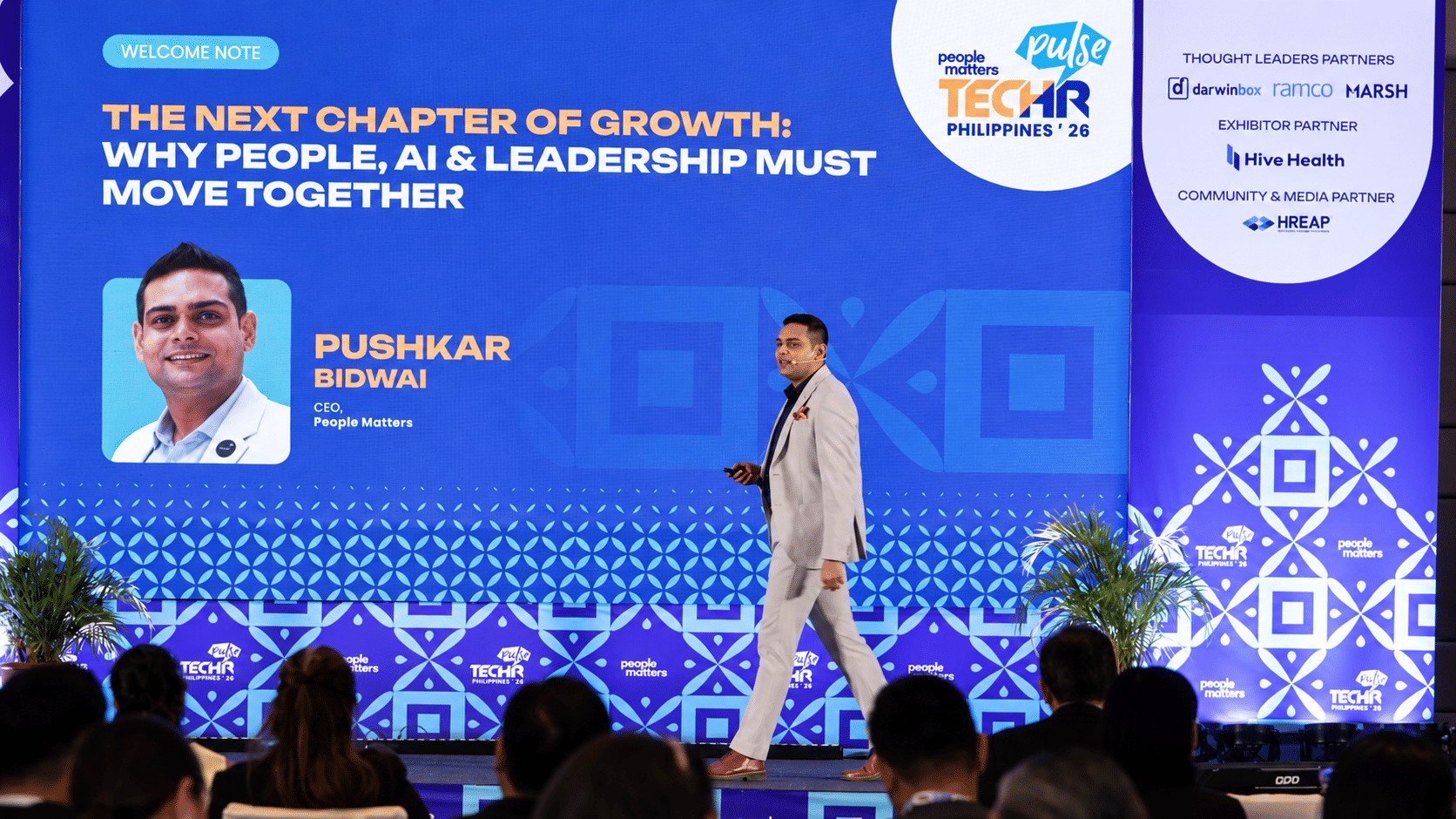
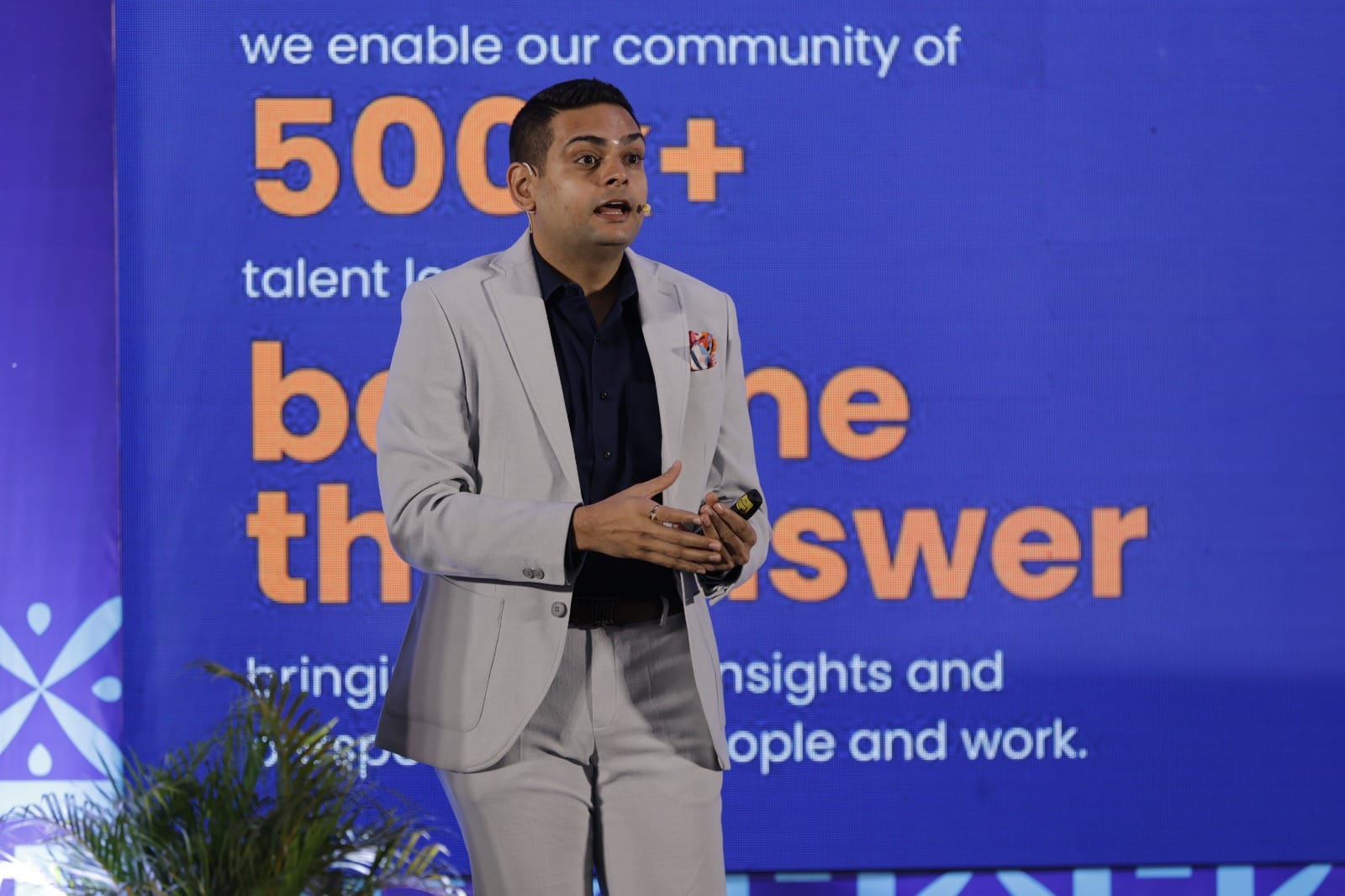
Opening People Matters TechHR Pulse Philippines 2026 in Manila, Pushkar Bidwai, CEO of People Matters, challenged HR and business leaders to rethink how they approach AI transformation, saying the next phase of growth will depend less on technology itself and more on leadership, capability-building and organisational reinvention.
"The next chapter of growth, the next wave of AI won't be defined by technology. It is going to be human-led. It is going to be leaders-led," Bidwai told delegates during his keynote address.
Drawing on findings from People Matters SHRPA's HR Tech & Transformation research, he outlined why some organisations are progressing faster than others and where HR leaders must step in to shape AI adoption, workforce readiness and business outcomes.
HR is emerging as a key driver of AI transformation
One of the central questions raised during the keynote was deceptively simple: who owns AI?
According to Bidwai, organisations that lack clear ownership often struggle to develop a coherent transformation strategy.
He noted that Southeast Asia is displaying a distinct pattern compared with other regions. "HR teams are on the rise for ownership on AI transformation and adoption," he said.
In more advanced organisations, HR leaders are increasingly taking responsibility for driving AI adoption and organisational change. By contrast, organisations that are lagging behind often lack clear accountability structures.
"A lot of people tell me... technology leaders are actually becoming owners for driving AI adoption and transformation. That's not true in Southeast Asia," Bidwai said, adding that HR leaders in the region are taking stronger steps in leading these efforts.
Data quality remains the biggest obstacle
Despite rapid advances in AI capabilities, Bidwai identified data quality as the most significant challenge facing organisations today.
"We just need to get better data," he said.
He cautioned that AI systems can only be as effective as the information feeding them. Key challenges highlighted during the session included:
- Data quality and data integrity
- Data privacy and governance
- Internal capability gaps
- Outdated ROI measurement frameworks
"Even if we put a lot of AI on top of the data that we have, it is not going to produce the results that we want," he said.
The challenge, he suggested, is not simply deploying AI tools but establishing the governance, practices and organisational discipline required to make those tools effective.
Why one-size-fits-all AI training is failing
Bidwai also questioned the widespread practice of rolling out generic AI training programmes across entire organisations.
Many companies, he said, rushed to provide AI tools to employees at all levels when generative AI entered the mainstream. However, different roles require different levels of capability.
He identified three distinct groups:
- AI creators, who build new AI products and solutions
- AI integrators, who connect processes and functions across the organisation
- AI users, who leverage AI primarily for productivity and efficiency
"If our skilling initiatives are not segmented according to the archetypes that we have in our organisations, we will never move towards AI maturity," he said.
The objective, he noted, is not to train everyone in the same way but to align capability-building efforts with the specific roles employees play in an AI-enabled enterprise.
A growing skills gap inside HR itself
While organisations often focus on workforce readiness, Bidwai suggested HR departments need to examine their own preparedness.
"The single biggest piece on HR is our own skills gap, and that overshoots everything else," he said.
He noted that conversations around AI return on investment have begun to give way to a more pressing concern: whether organisations possess the capabilities needed to operate effectively in a new environment shaped by AI.
"Unless we have the skills, no amount of ROI is going to help."
For HR leaders, this means developing new competencies in technology, data, operating model design and transformation leadership while continuing to support broader workforce change.
A three-part framework for transformation
To help organisations assess their readiness, Bidwai outlined a framework built around three parallel priorities: lead, enable and transform.
The first stage focuses on strategic clarity, including defining business outcomes and establishing ownership.
The second centres on technology strategy and data readiness.
The third involves broader organisational reinvention, including AI readiness, operating model redesign and workforce transformation.
One finding stood out.
According to Bidwai, 45% of HR teams lacked strong business cases for piloting AI initiatives, creating weak foundations for broader transformation efforts.
He urged leaders to avoid treating transformation as a sequential exercise.
"The pace of change of AI is very fast, so we can't wait for lead to finish fully and then start working on enable," he said.
Measuring what matters
Bidwai also challenged conventional approaches to measuring technology success.
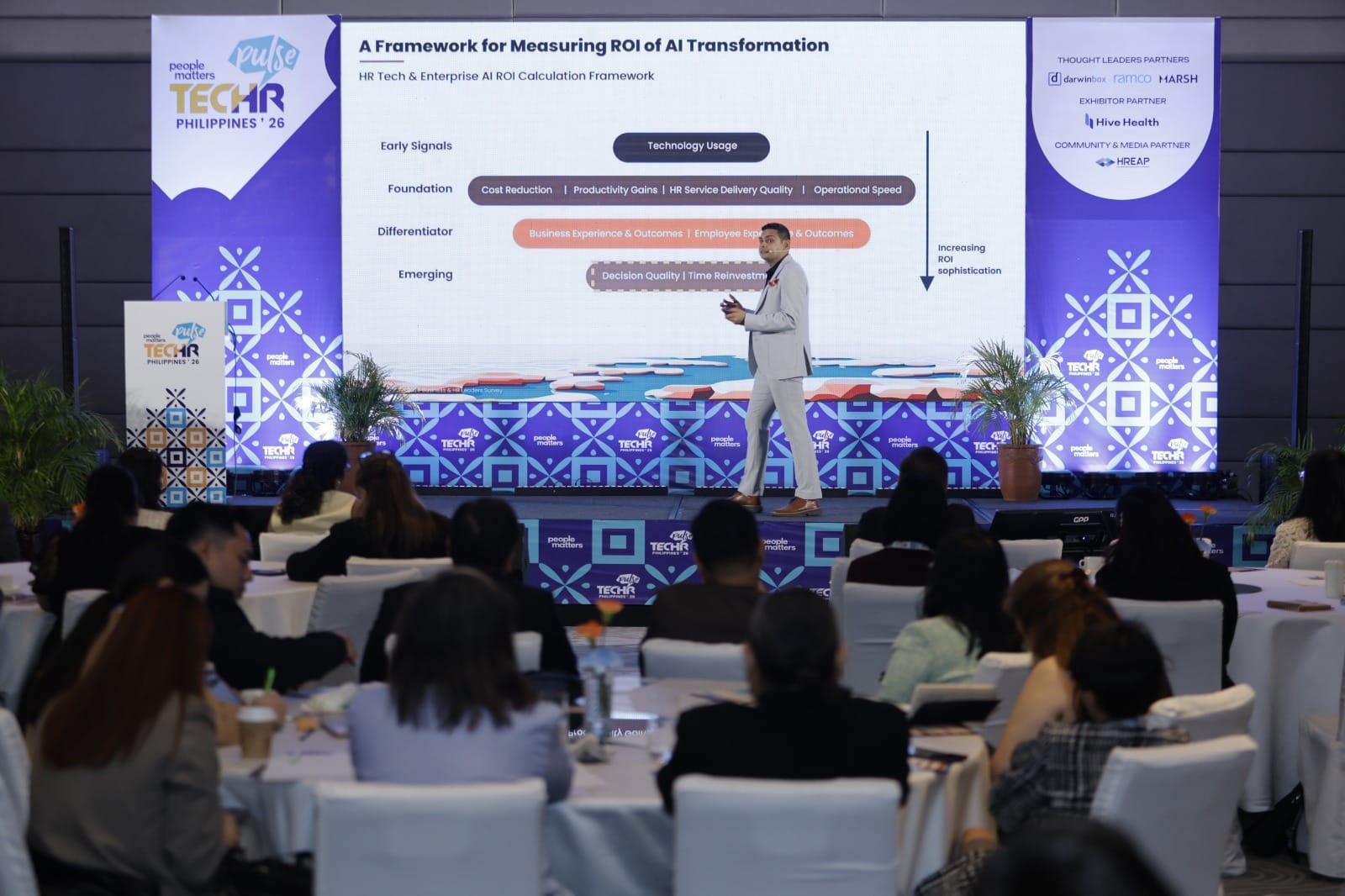
Metrics such as platform logins, programme participation and system usage may indicate adoption, but they provide only an early signal of value creation.
Instead, he urged organisations to focus on deeper outcomes:
- Productivity improvements
- Cost reduction
- Service delivery quality
- Operational speed
- Employee experience
- Business outcomes
- Decision quality
"Please don't stop at the first one," he said, referring to technology usage metrics.
The most advanced organisations, he suggested, are moving beyond activity measures towards understanding how AI supports better decisions and stronger business performance.
The case for time reinvestment
Perhaps the most forward-looking theme of the keynote centred on what organisations do with the productivity gains created by AI.
Bidwai described "time reinvestment" as a critical leadership challenge for the years ahead.
As AI automates routine work, leaders must determine how newly available capacity can be redirected towards higher-value activities.
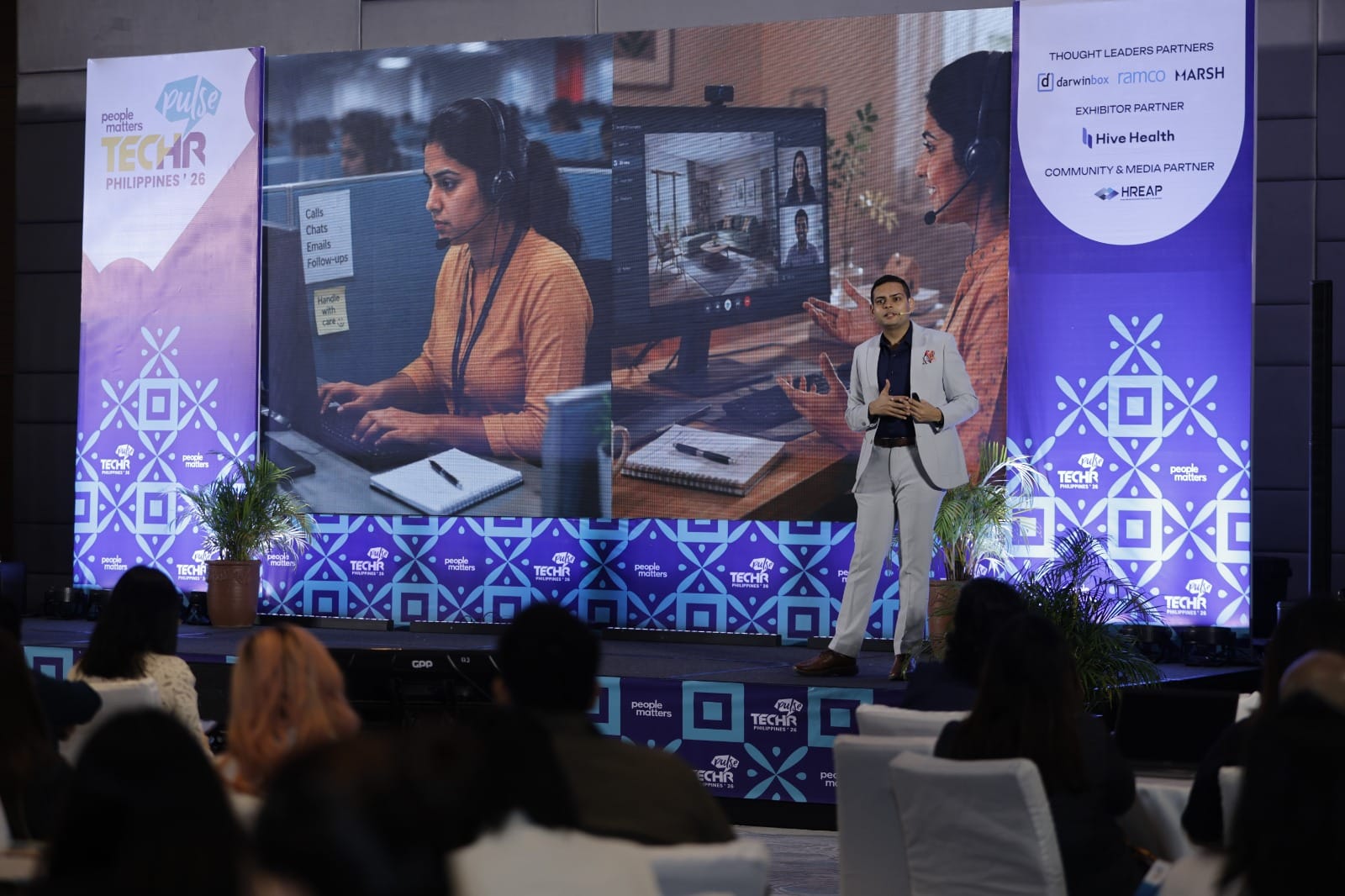
To illustrate the point, he referenced the experience of IKEA's parent organisation, which used AI to automate a significant portion of customer service enquiries. Rather than simply reducing roles, the organisation reskilled employees to become design consultants and advisers, helping customers with recommendations and planning decisions that AI could not easily handle.
The result, Bidwai noted, was the creation of new business value and new opportunities for employees.
"The human judgment on what needs to be human and what needs to be automated, we need to figure that out," he said.
A leadership challenge, not a technology challenge
Closing the keynote, Bidwai returned to the conference theme of growth through people, AI and leadership.
His message was clear: organisations seeking to compete in the next phase of AI-driven transformation must focus on ownership, capability-building and organisational redesign as much as technology deployment.
For HR leaders across Southeast Asia, the challenge now is not simply adopting AI. It is creating the conditions in which people and technology can work together to generate sustainable growth.
"The next wave of AI won't be defined by technology," Bidwai said. "It is going to be human-led. It is going to be leaders-led."