









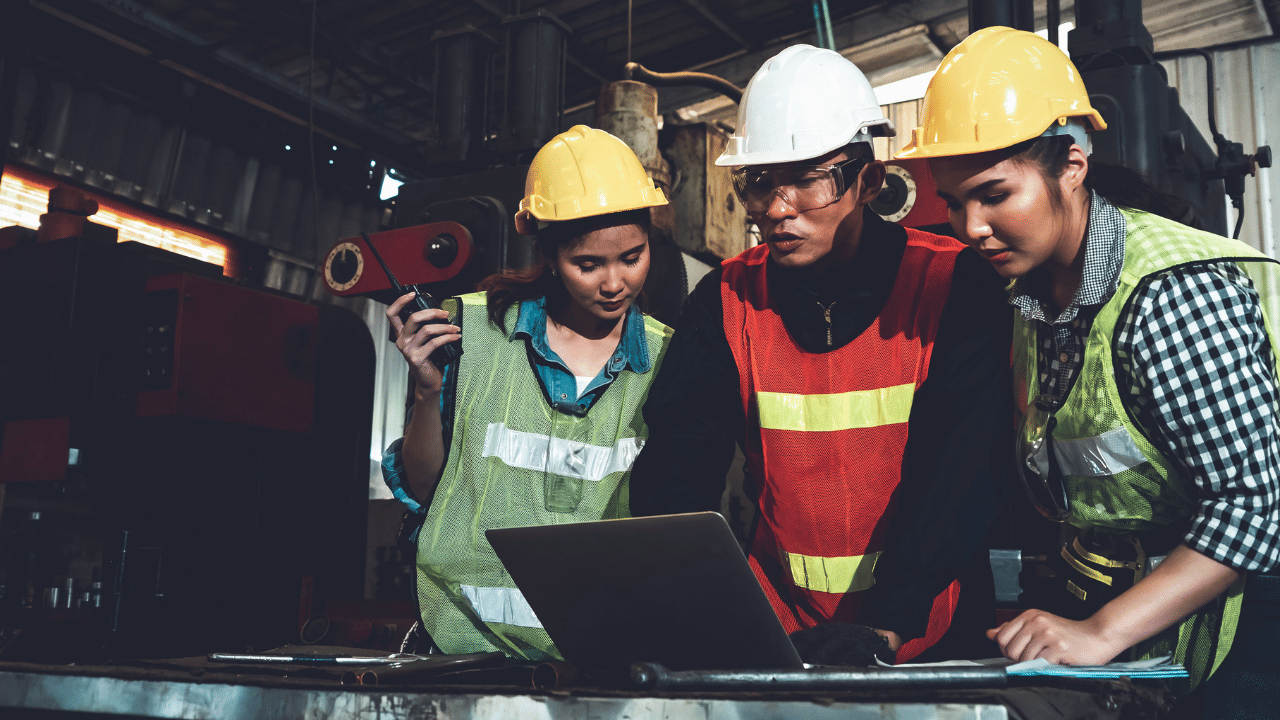
Artificial intelligence has become an integral part of work for Filipino employees, with 78% using AI in their daily jobs. Yet despite widespread adoption, only 35% receive role-specific AI training, raising concerns about workforce readiness and the long-term impact of AI on critical thinking, according to the State of HR 2026 Report: AI & the Filipino Workforce by Sprout Solutions.
The nationwide study surveyed 3,516 employees across 13 industries to examine how AI is reshaping work, productivity, wellbeing and employee perceptions.
Communication and interaction emerged as the most common AI use case, accounting for 27% of responses, followed by information processing (23%) and thinking and decision-making (16%).
Employees reported similar AI usage patterns regardless of industry, company size, job function, work arrangement, organisational level, generation or tenure. Other applications included computer and digital tasks (12%), management and coordination (7%), service and care tasks (6%), creative work (5%) and physical or operational tasks (4%).
The report found that higher AI use is associated with faster work, increased productivity, lower stress levels and greater workplace recognition. However, it also highlighted a significant training gap. While 35% of respondents said their employers provide role-specific AI upskilling, 29% reported no such programmes and 36% were unsure whether these existed.
Sprout Solutions noted that the findings do not necessarily mean companies lack AI training altogether, but rather that many organisations have yet to tailor programmes to specific job roles or communicate them effectively. The report urged employers to focus on building practical AI skills and ensuring employees can use the technology thoughtfully rather than dependently.
The study identified construction (89.1%), transportation and storage (86.4%), and human health and social work (86.1%) as the sectors reporting the highest levels of company-wide AI adoption. Manufacturing (72.4%), professional, scientific and technical services (73.9%), and arts, entertainment and recreation (74.1%) recorded the lowest adoption rates.
Among job functions, software development, programme and project management, and human resources reported the highest levels of AI use.
The report also found that one of AI's greatest workplace benefits may be reducing employees' mental burden. Workers who frequently use AI reported lower stress, less overtime and greater recognition for their contributions.
"Employees want AI to enhance, not erode, their thinking abilities," the report said.
Employees who rely on AI for workplace decision-making also reported lower stress levels, suggesting the technology helps reduce cognitive pressure in addition to improving efficiency.
At the same time, the study warned that employees are increasingly concerned that overreliance on AI could weaken their ability to think critically and solve problems independently. It also found that the perceived benefits of AI decline with age and longer job tenure, indicating experienced employees may be less likely to experience the same productivity gains as younger workers.
Despite AI's growing presence, workers remain largely confident about their job security.
The findings align with a February research brief by the International Labour Organization (ILO), which estimated that around 12.7 million workers in the Philippines are exposed to generative AI, the highest number among ASEAN countries.
However, only 3.6% of jobs are considered highly exposed and at risk of displacement. Instead, the ILO expects generative AI to transform jobs by boosting productivity and enhancing job quality rather than replacing workers on a large scale.
For HR leaders, Sprout Solutions concluded that AI adoption is no longer the primary challenge. Instead, organisations should prioritise practical upskilling, leadership support and responsible AI use to ensure the technology delivers meaningful value without diminishing employees' critical thinking capabilities.