


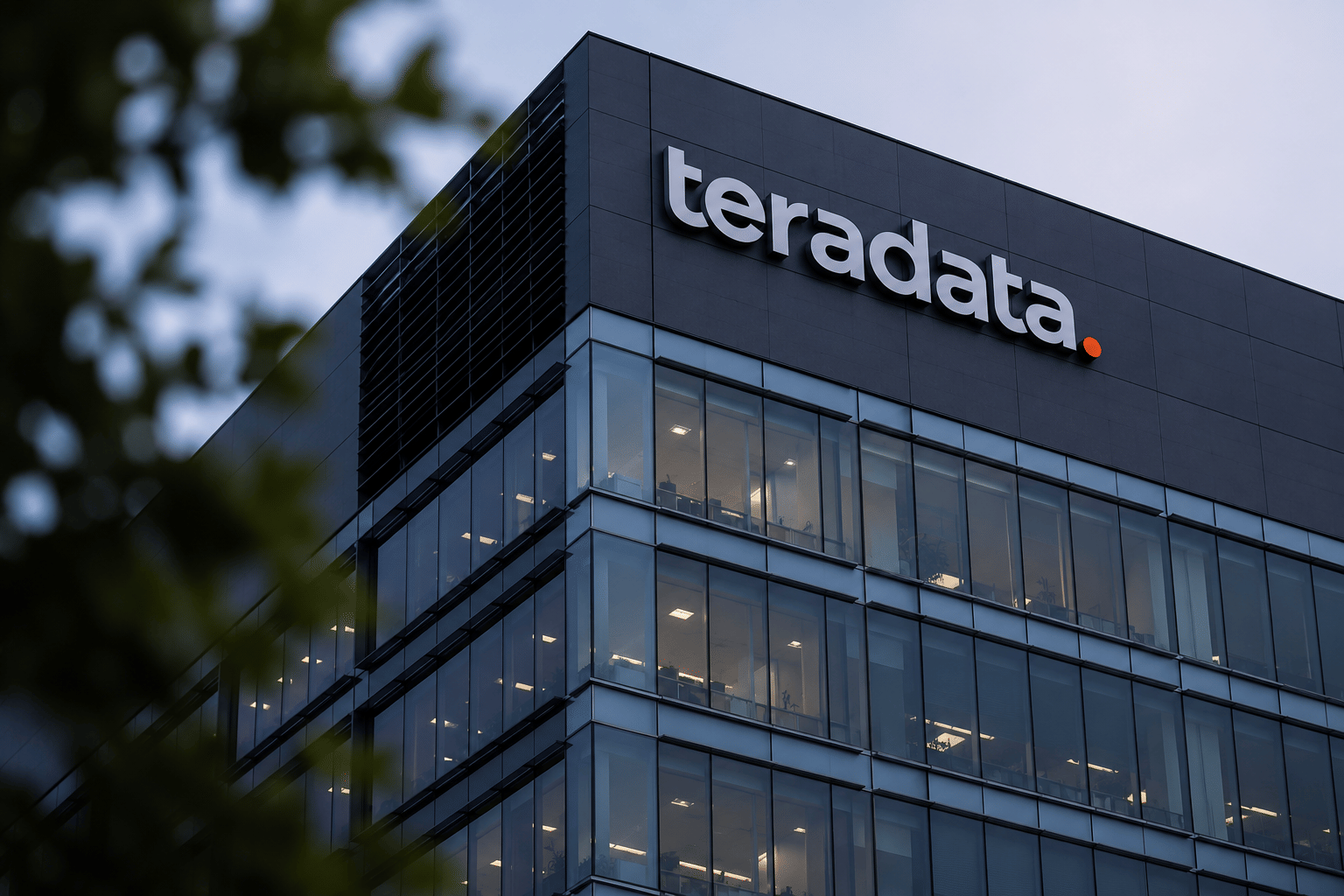
Teradata has informed its approximately 5,100 employees that they will not receive annual salary increases in 2026, with the company instead redirecting those funds towards artificial intelligence investments.
The decision was outlined in an internal memo from Chief Executive Officer Steve McMillan, according to reporting by Business Insider, which was later cited by multiple media outlets. While the announcement was reportedly made in January, details of the move have only recently emerged publicly.
The development highlights how technology companies are increasingly reallocating budgets towards AI infrastructure, talent and product development as competition intensifies across the sector.
Compensation budget redirected to AI initiatives
According to Business Insider, McMillan told employees that Teradata's primary objective for 2026 is to "win in the market with AI".
To support that goal, the company plans to increase investment in AI-related capabilities and expertise.
Business Insider reported that McMillan said the company would fund those investments by reallocating the budget typically used for annual salary adjustments.
The move effectively pauses the company's customary annual pay increase cycle for 2026.
Employees cited in the report said annual salary adjustments typically ranged between 2% and 4%, although such increases were not guaranteed.
Company maintains other compensation programmes
Despite freezing annual salary increases, Teradata has not eliminated all forms of employee compensation growth.
According to reports, employees may still be eligible for:
• Performance-based bonuses
• Equity-related compensation
• Other incentive-based rewards linked to performance
The company also indicated that the policy primarily applies in jurisdictions where regulators do not require market-linked salary adjustments.
Teradata declined to provide additional comments on the compensation decision but stated that it continues to invest actively in AI-driven innovation.
AI spending reshapes corporate priorities
The decision reflects a broader trend emerging across the technology sector as organisations increase spending on artificial intelligence.
Companies are investing heavily in AI software, infrastructure, talent acquisition and workforce training to remain competitive as generative AI adoption accelerates.
According to data cited in reports, a recent survey of IT leaders found that 90% of companies expect to increase AI spending in 2026.
For many organisations, those investments range from small pilot projects to large-scale enterprise transformation programmes involving multimillion-dollar budgets.
Key facts
• Teradata employs approximately 5,100 people globally.
• Annual salary increases for 2026 have been suspended.
• Employees may still qualify for bonuses and equity-based compensation.
• The company said the savings will support AI-related investments.
• CEO Steve McMillan identified AI as the company's key strategic priority for 2026.
Similar moves emerge across the technology industry
Teradata is not the only technology company linking employee compensation decisions to artificial intelligence spending.
Business Insider reported that TTEC, a technology services company, recently paused 401(k) retirement contributions for US employees through 2026, citing the need to fund AI tools, infrastructure and training initiatives.
The developments illustrate how companies are increasingly weighing immediate employee compensation costs against long-term investments in emerging technologies.
At the same time, businesses across the sector continue to face pressure from inflation, tariffs, supply chain disruptions and slowing revenue growth.
Balancing workforce expectations and AI ambitions
The salary freeze comes as many technology firms seek to accelerate AI adoption while managing tighter operating budgets.
Reports noted that both Teradata and TTEC recorded revenue declines in their most recent financial years, increasing pressure to prioritise investments that executives believe can support future growth.
As organisations continue redirecting resources towards artificial intelligence, decisions around compensation, hiring and workforce investment are likely to remain under scrutiny from employees, investors and industry observers alike.