









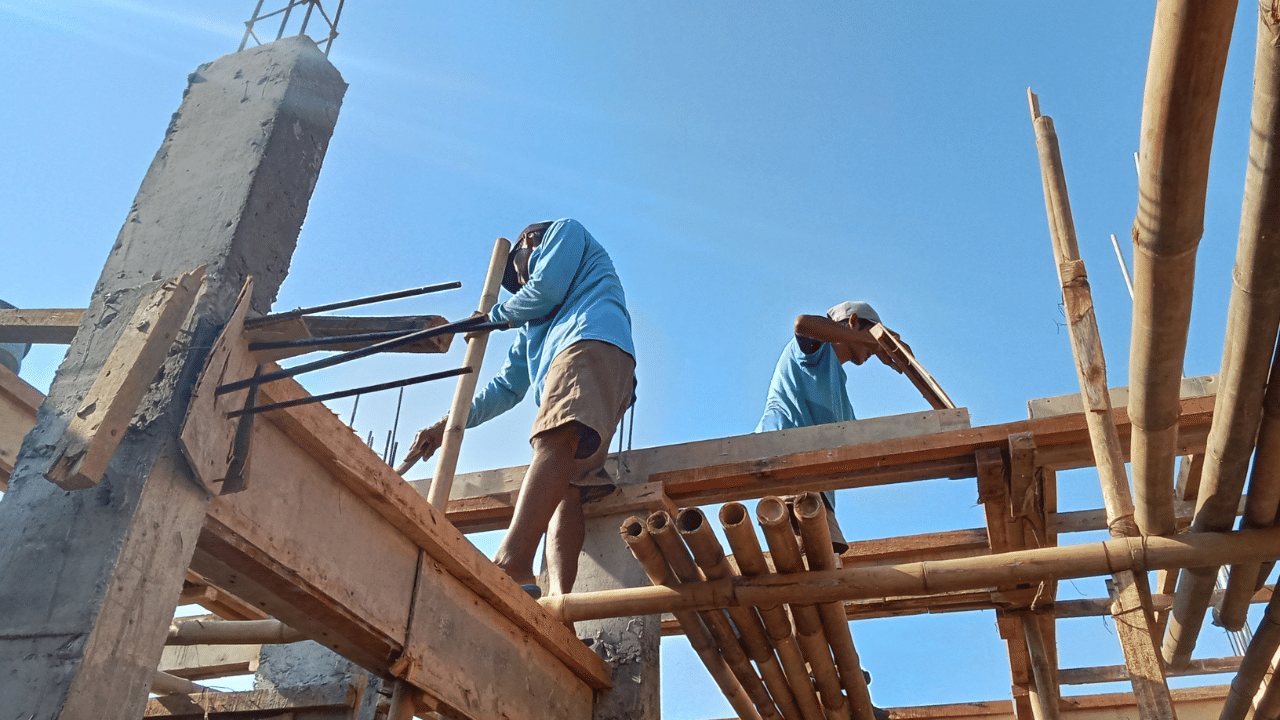
The Philippines’ Department of Labor and Employment (DOLE) is encouraging construction companies to voluntarily adopt the Progressive Wage Model (PWM), a productivity-linked wage framework designed to help lower-wage workers earn higher pay as they build skills, gain experience, and improve workplace performance.
The initiative was formalised through an advisory signed by Francis N. Tolentino last week. The guidance outlines how the PWM can be implemented for lower-wage occupations in the construction sector, including carpenter helpers, mason helpers, painter helpers, tile-setter helpers, and plumber helpers.
According to Tolentino, the Progressive Wage Model is intended to create a structured and predictable pathway for wage growth while ensuring workers continue to receive at least the applicable minimum wage.
“The Progressive Wage Model is a wage-setting framework designed to ensure that covered lower-wage workers receive at least the applicable minimum wage, while providing clear and predictable pathways for wage progression,” he said.
The model allows workers to increase their earnings without necessarily waiting for formal promotions. Instead, wage progression is linked to measurable improvements in skills, competencies, productivity, and work experience.
Under the framework, wage growth is anchored on three key pillars: skills upgrading through training, competency certifications, and validated work experience; productivity enhancement through improvements in efficiency, quality, safety compliance, and performance; and wage progression that rewards workers who achieve higher skill levels and productivity outcomes.
Tolentino emphasized that the PWM is not intended to replace the country’s existing regional minimum wage system but rather complement it by creating additional opportunities for income growth.
“The PWM will not replace our regional minimum wage system. With its voluntary adoption, workers’ wages will be more competitive, boosting their productivity further,” he said.
DOLE also highlighted the potential benefits for employers. By linking compensation to skills and competencies, construction companies may be better positioned to attract, retain, and develop qualified workers while improving workforce stability and productivity.
The department believes that structured wage progression can contribute to more inclusive growth across the sector, particularly as the construction industry continues to face demand for skilled labor.
To encourage wider adoption, DOLE said the National Wages and Productivity Commission will continue working with government agencies and social partners to explore possible incentives for participating employers. These incentives may include preferential consideration in government procurement processes, subject to applicable laws and regulations.
Construction firms interested in implementing the Progressive Wage Model have been advised to coordinate with their respective Regional Tripartite Wages and Productivity Boards for technical assistance and guidance.