









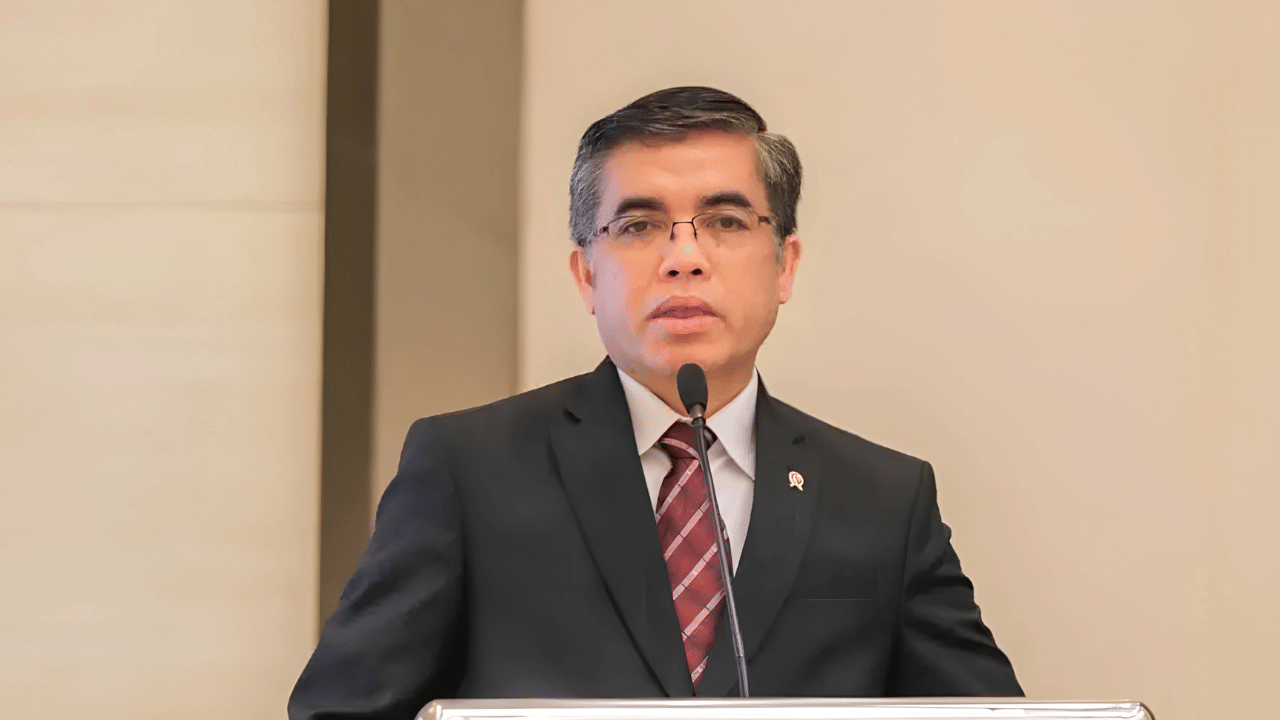
Indonesia is calling for stronger skills development and worker protection as ASEAN labour ministers meet in Bangkok on August 26-27 to discuss how the region can prepare its workforce for a rapidly changing world of work.
Indonesian Minister of Manpower Yassierli is using the 29th ASEAN Labour Ministers’ Meeting (ALMM) to highlight the need for coordinated regional action as technological advances, artificial intelligence (AI), digitalisation and changing industry demand reshape jobs and skills.
“Indonesia is voicing the urgency of preparing the ASEAN workforce to keep pace with the rapidly evolving world of work,” Yassierli said.
He said the challenges facing ASEAN economies require greater investment in skills, stronger labour market information systems, improved employment services and broader worker protections.
The discussions build on the implementation of the ASEAN Declaration on Promoting Competitiveness, Resilience, and Agility of Workers for the Future of Work and its related guiding documents.
“We cannot navigate the shifting world of work alone. Indonesia must actively help shaping the direction of ASEAN's labor cooperation, so that this transformation creates opportunities for workers rather than leaving them behind, while ensuring they remain protected,” Yassierli said.
Beyond workforce readiness, Indonesia is also placing migrant worker protection on the regional agenda. At the meeting, the country is expected to present progress on ASEAN commitments covering the protection and placement of migrant workers in the fishing sector, as well as support for migrant workers and their families during crises.
Indonesia is also seeking to strengthen cooperation with international organisations, including the International Labour Organization (ILO) and the International Organization for Migration (IOM).
The partnerships are focused on skills development, employment services, decent work and stronger protections for migrant workers.
“ASEAN cooperation must deliver tangible benefits for workers. It goes beyond discussing change to ensure workers have the opportunity to upskill, secure better jobs, and stay protected as the landscape shifts,” Yassierli said.
The discussions come as ASEAN economies face growing pressure to ensure workers can adapt to AI, digitalisation and other structural changes without widening gaps in employment opportunities or worker protection.