









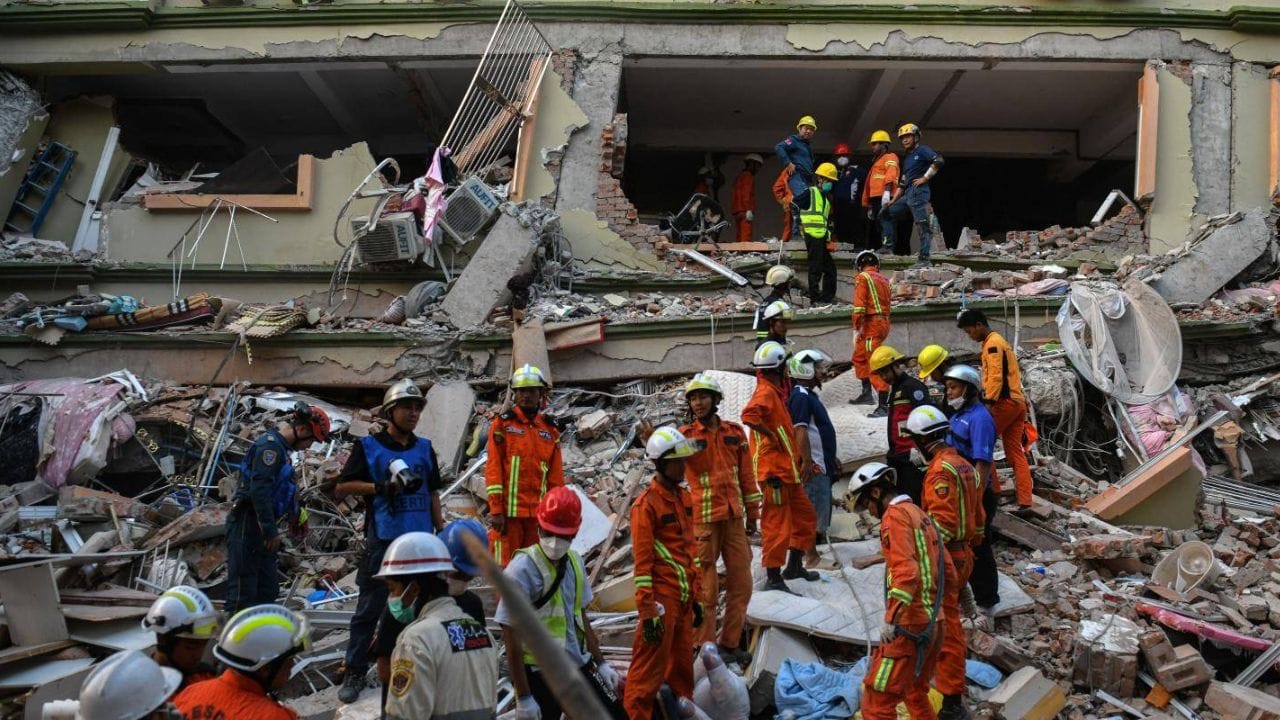
A year after the devastating disaster that reshaped communities across central Myanmar, the International Labour Organization’s (ILO) Employment Intensive Investment Programme (EIIP) says its Myanmar earthquake recovery 2025 efforts have helped thousands of people rebuild both infrastructure and livelihoods in Mandalay Region and Shan State.
Working across 22 villages, the programme generated 27,733 workdays and employed 3,014 local workers, with women making up 52 percent of the workforce, as reported by MSN. The initiative combined emergency employment with long-term skills development, helping families recover income while restoring critical community infrastructure damaged by the earthquake.
The anniversary comes as humanitarian agencies continue to assess the long-term social and economic impact of the disaster. Through community-led projects and local partnerships, the ILO said the programme focused on sustainable recovery that gives communities greater control over reconstruction decisions.
Under the ILO livelihood recovery Myanmar initiative, 393 people received vocational and entrepreneurship training, including courses in masonry, sewing, weaving, computer literacy and small business management. Women accounted for 79 percent of trainees, reflecting a strong focus on women employment disaster relief efforts.
One of the programme’s flagship achievements is a new skills training centre near Inle Lake. The facility includes sewing machines, weaving equipment and computers designed to support long-term vocational training for women and young people.
“A cash-for-skills programme gave us confidence and hope,” said A Thawe Moe, sewing trainee. “We learned practical skills while earning income to support our families during recovery.”
Community leaders said the centre is expected to continue supporting livelihoods long after the immediate disaster response phase ends.
“This centre creates long-term opportunities for women and youth in our village,” said Thin Thin Mu, a community leader from Ywar Gyi Upper Village. “It gives people a chance to build skills and create income locally.”
The programme also invested heavily in public infrastructure to support safe living conditions and economic activity. Communities completed 2.51 kilometres of concrete roads, 1.49 kilometres of footpaths, 68 tube wells, six culverts, three water systems, 125 household latrines and an extension to an education centre.
The infrastructure projects were designed and implemented using a labour-intensive approach that prioritised local hiring and on-site occupational safety and health (OSH) training. Village development committees and local civil society groups played a central role in selecting priorities and monitoring implementation.
Khun Chit Oo, Parami Development Network said, “The programme showed how recovery efforts can address both immediate needs and future resilience. Communities rebuilt infrastructure and livelihoods at the same time.The approach helped people restore dignity, income and essential services together.”
The community-led reconstruction Myanmar approach has attracted growing interest from development agencies seeking more locally driven recovery strategies. In February 2026, the ILO convened a knowledge-sharing event involving United Nations agencies and development partners to review lessons from the recovery programme and discuss future resilience planning.
According to the ILO, transparency measures such as public auditing and community consultations strengthened trust in the rebuilding process while helping ensure projects reflected local priorities.
The organisation said combining short-term employment with vocational training created stronger pathways for economic recovery, especially for women and younger workers affected by displacement and income loss after the earthquake.
As Myanmar continues its broader Myanmar earthquake recovery 2025 efforts, development experts say programmes linking infrastructure rebuilding with skills training may play an important role in supporting long-term community resilience.