









The Philippines and South Korea are exploring a skills development partnership aimed at preparing Filipino workers for the growing demand for specialised talent in eco-friendly shipbuilding.
The Department of Labor and Employment (DOLE) is proposing the establishment of a training centre for eco-friendly shipbuilding specialists in Zambales, with the initiative designed to strengthen the capabilities of Filipino workers and support the country’s shipbuilding industry.
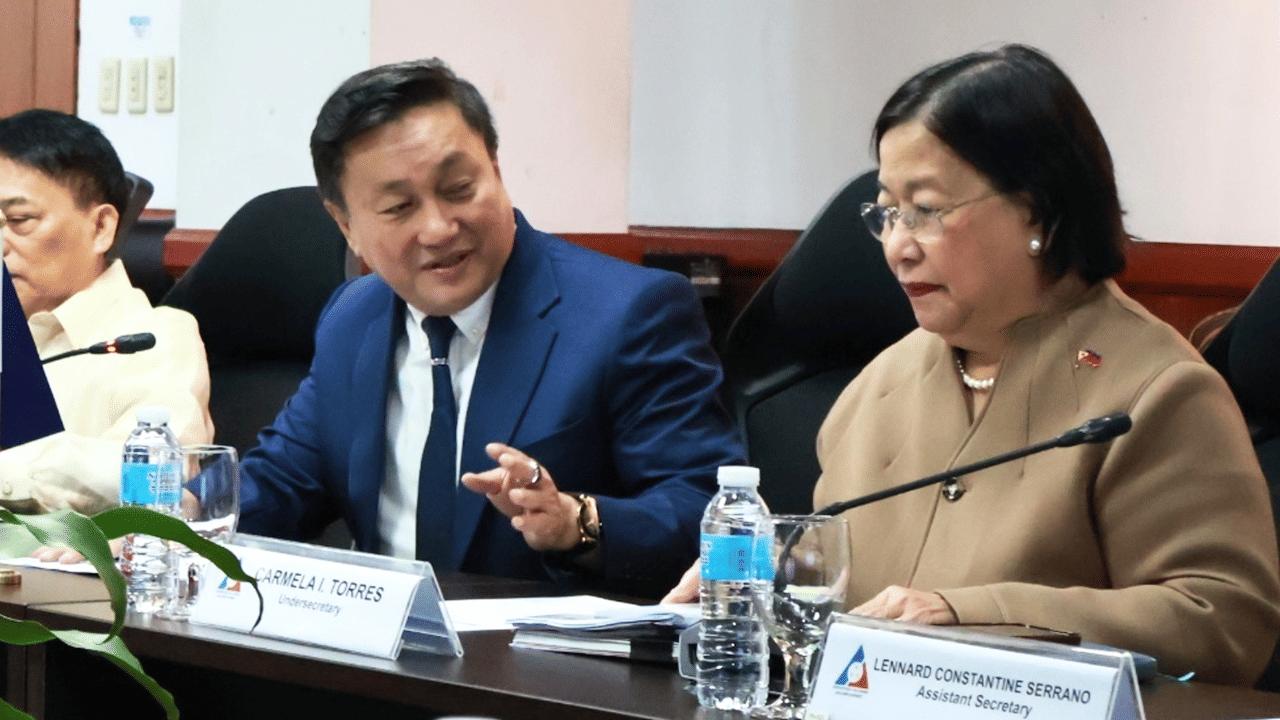
DOLE Secretary Francis N. Tolentino met representatives of HD Hyundai Heavy Industries Co., Ltd. (HHI) and the Korea Marine Equipment Research Institute (KOMERI), led by HHI Head Manager and Executive Shin Sang-woon, at the DOLE Central Office to discuss the proposed project.
Discussions covered the project's feasibility study, potential implementation, and areas where the Philippine government would need to provide support. The initiative is currently at the feasibility study stage, with the study scheduled for the second half of 2026.
“We understand the urgency of this because ASEAN will convene in November this year. Rest assured that on our end, including TESDA, we will be working double time to fast-track the mechanics and details of the agreement. We will be supportive of the endeavor. This would be of great help to the Philippine shipbuilding industry,” Tolentino said.
DOLE said the proposed training centre would equip Filipino workers with industry-responsive and globally competitive skills, particularly as the shipbuilding sector moves towards more environmentally sustainable technologies.
The Technical Education and Skills Development Authority (TESDA) will serve as a key Philippine government counterpart for workforce development and training, while DOLE will act as the primary Philippine focal point for the proposed Official Development Assistance (ODA) project.
HHI and KOMERI are undertaking the feasibility study under the management of the Korea Institute for Advancement of Technology (KIAT) and the Korean Ministry of Trade, Industry and Resources (MOTIR).
Tolentino also highlighted the Philippines’ existing pool of skilled workers, saying the partnership could further develop local capabilities and strengthen the country's position in the shipbuilding sector.
For Filipino workers, the proposed initiative could create pathways to specialised employment by aligning training more closely with emerging industry requirements. It also reflects the Philippines’ broader workforce development cooperation with South Korea, which includes the sharing of technical expertise and human resource development.
The proposed training centre comes as governments and industries increasingly focus on developing skills for greener technologies and evolving manufacturing requirements. For the Philippines, DOLE said the project could help build a stronger pipeline of qualified workers while supporting quality employment opportunities in the future.