









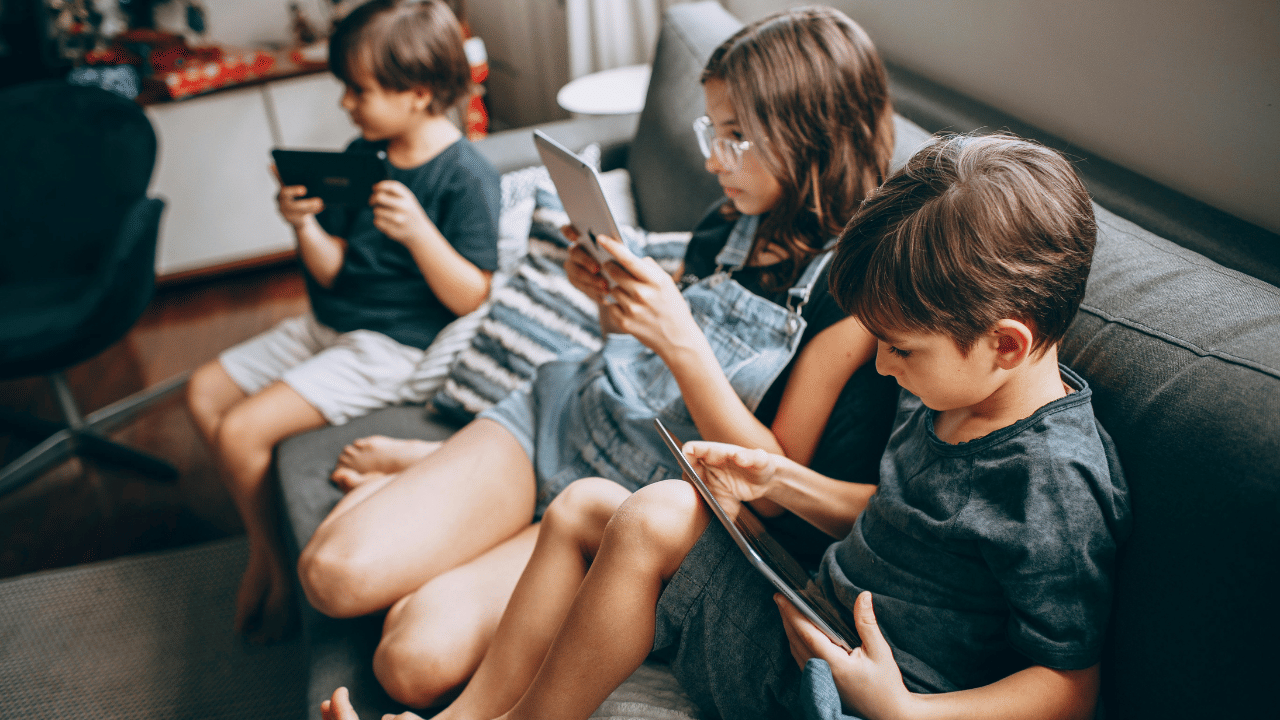
The Philippines is considering tighter restrictions on social media access for children as lawmakers and officials examine the role of harmful online content in growing concerns over school violence and the exposure of young people to extremist and exploitative online networks.
The debate gained momentum following a June 22 shooting at San Jose National High School in Tacloban City, where two students aged 14 and 15 allegedly opened fire, killing three students and injuring 20 others.
Education Secretary Juan Edgardo Angara has pointed to harmful online influences as one possible factor behind the violence, citing exposure to damaging content, online groomers and groups seeking to recruit children.
The government is now considering measures to reduce minors’ exposure to such content. A proposed bill in the House of Representatives would prohibit children under 13 from using social media, while a separate Senate proposal would extend the restriction to those under 16.
Both proposals would place greater responsibility on social media platforms, including requirements for age and identity verification and the proactive deactivation of accounts belonging to users who do not meet the minimum age requirement.
Platforms that repeatedly fail to comply could face penalties of up to 50 million Philippine pesos (US$820,000), with the possibility of being permanently barred from operating in the country.
However, cybersecurity and mental health experts have cautioned against a blanket ban, arguing that restricting access alone may not address the underlying causes of harmful behaviour or online exploitation.
Psychologist Peejay Bengwasan, a board member of the Psychological Association of the Philippines, said that broad restrictions could end up placing the burden on the children they are intended to protect.
Instead, experts have called for stronger safeguards within social media platforms, including systems capable of detecting, reporting and removing dangerous content and identifying attempts to groom or recruit children.
There are also concerns that removing minors from mainstream platforms could push some towards smaller or less visible online communities, where harmful activity may be more difficult to detect.
The issue has also drawn attention to the role of online extremist networks. Cybersecurity advocates have warned that social media platforms and online gaming communities can be used by extremist groups to identify and influence young people.
Experts stress that online exposure should not be treated as a single explanation for violent behaviour. Psychologists say children displaying aggressive tendencies may also be dealing with difficulties at home or in school, making broader support systems essential.
The shortage of school counsellors and limited access to mental health support have therefore emerged as another concern in the debate.
Psychologists have also emphasised the role of parents in identifying behavioural changes, establishing boundaries and addressing troubling behaviour early.
Bengwasan said that when aggressive behaviour emerges at home, parents should not simply overlook it but should establish clear limits and create opportunities for discussion.
The debate over social media restrictions therefore extends beyond whether children should be allowed to access major platforms. For policymakers and experts, the challenge is balancing child protection and online safety with effective mental health support, parental involvement, school counselling and stronger accountability for technology platforms.
The move comes as the Philippines has also stepped up protections for children involved in monetised digital content. Last week, the Department of Labor and Employment expanded existing child labour safeguards to cover children appearing in paid vlogs, livestreams, podcasts and other monetised social media content.
Under the rules, children below 15 involved in covered digital work must obtain a DOLE permit, while their working hours and earnings are subject to specific protections.