









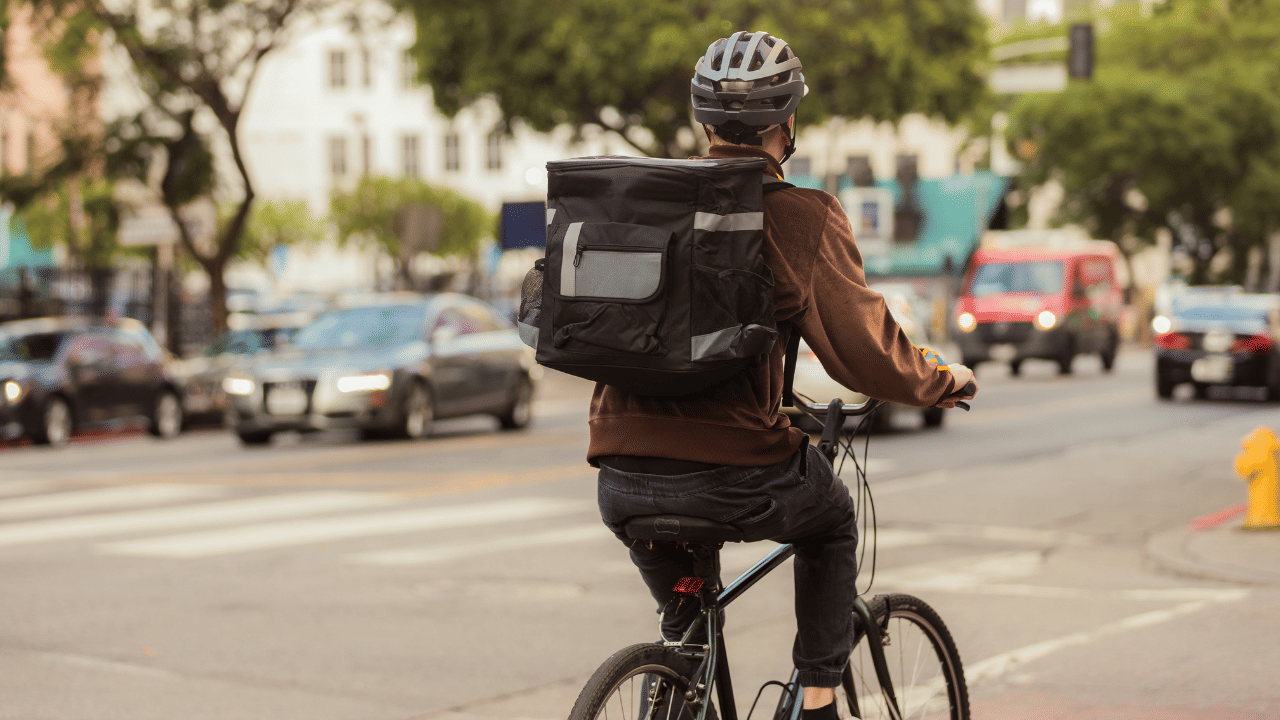
Singapore recorded four fatalities involving platform workers in the first half of 2026, double the two fatalities reported for the whole of 2025, prompting renewed calls for stronger safety measures for delivery riders and other platform workers.
Speaking at the official launch of GrabAcademy RideSafe 2026 on 12 August, Minister of State for Manpower Dinesh Vasu Dash said the recent incidents had put a spotlight on platform worker safety, stressing that most, if not all, of the accidents were preventable.
Dash said the Government’s approach is centred on three priorities: putting the right protections in place, providing clearer guidance and bringing government agencies, platform operators, employers’ and workers’ groups together to address safety risks.
The Platform Workers Act, which came into effect on 1 January 2025, brought platform workers under work injury compensation coverage and introduced workplace safety and health duties for both platform operators and workers.
The Ministry of Manpower (MOM) and the Workplace Safety and Health Council have also issued an Approved Code of Practice for Platform Services covering risks faced by riders, including road hazards, fatigue and heat.
Dash highlighted the Platform Worker Safety Workgroup, which brings together government agencies, platform operators, the Singapore National Employers Federation (SNEF), NTUC and platform work associations to identify risks and translate safety practices into practical measures.
RideSafe 2026 is one such initiative. A partnership between Grab Singapore, the Riding Safety Association of Singapore and the National Delivery Champions Association has resulted in the Urban Rider Safety Course, designed to help riders identify hazards earlier, adopt defensive riding practices and make safer decisions based on traffic and weather conditions.
Dash also stressed that platform worker safety is a shared responsibility. While the Government provides the regulatory framework, platform operators need to design work and incentive systems that support safe practices and provide timely training.
Riders, meanwhile, must follow traffic rules, use appropriate protective equipment and speak up about unsafe practices. Consumers also have a role, particularly during heavy rain, extreme heat and difficult traffic conditions.
“Giving riders a few more minutes can make a real difference,” Dash said, noting that a short delay could help prevent workers from taking unnecessary risks.
The minister said building a strong safety culture in the platform economy requires everyone, from policymakers and businesses to riders and consumers, to take responsibility for safer roads.