








DEI Strategy
Reimagining Manufacturing: Inside Mars Wrigley Antipolo’s blueprint for human-centered workplaces
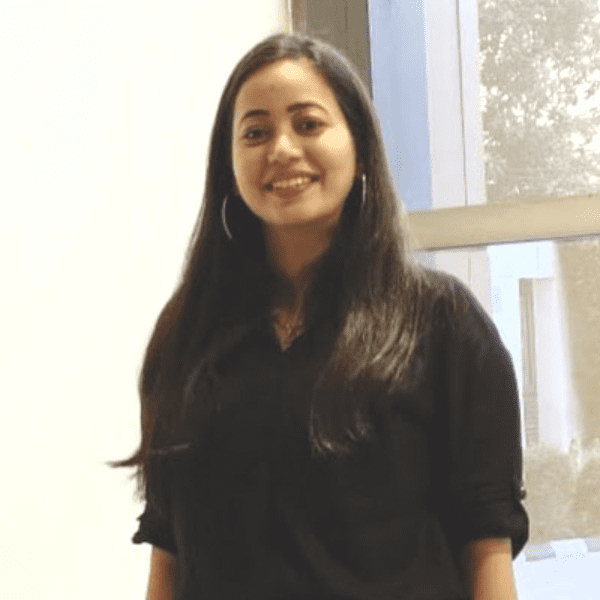





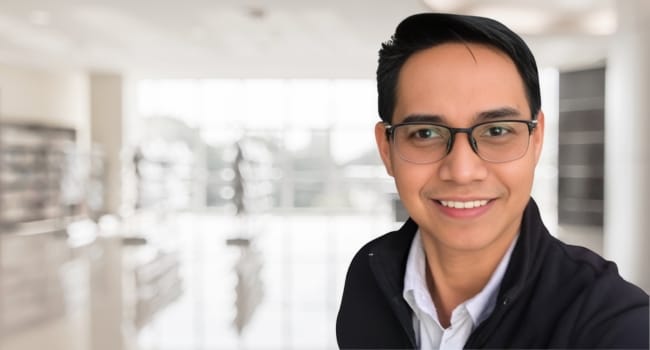
Macky Maquito shares how the Antipolo factory exemplifies HR’s role in building resilient and diverse workforces beyond corporate HQs.
Mars Wrigley recently celebrated 60 years of operations at its Antipolo factory in the Philippines, a legacy site now being reimagined as a blueprint for inclusive, human-centered manufacturing workspaces in Asia.
In an exclusive interaction with us, Macky Maquito, Factory Director of Mars Wrigley Antipolo, shares how this milestone goes beyond being a symbol of manufacturing excellence to reflect the company’s progressive HR practices and long-term investment in people, purpose, and local communities—demonstrating how supporting the responsibilities of the community creates lasting value for business, partners, and society at large.
From advancing gender equity in a traditionally male-dominated industry with a near 50:50 workforce ratio, to embedding life-stage inclusivity through breastfeeding rooms, flexible support systems, and return-to-work pathways for mothers, to fostering belonging with multi-faith prayer rooms and inclusive social spaces, Maquito offers insights into how the Antipolo factory showcases HR’s role in shaping resilient and diverse workforces beyond corporate HQs.
Read the edited excerpts below:
If you had to capture Mars Wrigley’s 60-year journey in the Philippines in just one sentence, what would it be?
The past 60 years in the Philippines has really been about living our purpose and being better together. This means growing together with our associates and the local community from championing inclusion and diversity to making progress towards our net zero goals and supporting community development on ground.
Could you share an overview of the Antipolo factory’s role in Mars Wrigley’s Asia operations, and how it reflects both manufacturing excellence and progressive HR practices?
The Antipolo factory play a strategic role for us in Asia. While up to 30 metrics tons of chewing gum products are produced daily, with 86% exported to countries in the Asia Pacific region including Indonesia, Malaysia, Thailand, Vietnam, Bangladesh, Laos and Brunei, what it demonstrates is not the scale of production, but the way we have built it to reflect both our operational excellence and the kind of workplace we want for the future.
On the manufacturing side, Antipolo has been leading the way in sustainability.
Just last year we introduced a biomass boiler, which has already cut carbon emissions significantly by replacing diesel with the use of rice husks to generate renewable energy source. Annual carbon emission has also been reduced by approximately 679 tons. At present, 30% of our Electricity Consumption is being powered from Renewable energy. We are on track to transition to 100% Renewable Electricity by the first quarter of 2026. This demonstrates how we are meeting regional demand while also making real progress towards our broader 2050 net zero ambition.
On progressive HR practices, Mars Wrigley has been working to build an inclusive and diverse workforce by intentionally aiming to have a 50-to-50 ratio of male and female employees in its Antipolo plant. This diversity is already reflected in its commitment to shape the future leadership of the Antipolo factory, ensuring that women are well-represented in the management team.
With both manufacturing excellence and progressive HR practices combined, we are confident that Mars can continue to delight and excite consumers with our brands while cultivating a positive workplace culture that reflects our values and principles.
Global companies often adapt workplace policies to fit local needs. How has Mars Wrigley empowered Asian leadership and talent to shape the policies and design of the Antipolo factory?
At Mars Wrigley, we’ve always believed that the best ideas don’t just come from the top down — they come from people who understand the markets and communities they serve. That’s why in Asia, we have made it a priority to empower local leaders and talent to shape how we grow, including how our Antipolo factory is designed and how policies are set.
Through our “One Asia” approach, our leadership teams reflect the diversity of the region — bringing local insights, lived experiences, and cultural context to every decision. This isn’t just about representation; it’s about making sure policies feel relevant, trusted, and sustainable for the people they affect most.
In the Philippines, that means building a workplace shaped by Associates themselves. Many of our 170 Associates have been with us for decades, and their input has been invaluable in creating a factory environment that balances global standards with local needs. We have readily available platforms such as our annual Pagtanaw session that allows our Associates to collectively set priorities for the year, while regular Kapihan coffee sessions with our factory director provide cross-functional teams an opportunity to openly share ideas, learnings and feedback for improvement.
We also place strong emphasis on innovation and knowledge-sharing. Associates are given opportunities to work in other Mars factories in the region — a valuable way to transfer technology, benchmark best practices, and bring new learnings back to Antipolo.
Our annual Innovation Awards further recognise and celebrate employee-led ideas that deliver real impact such as cost-savings, process improvements and standards enhancements, including our misprint detection project and bottle line improvement initiative.
Beyond policies and operations, our Associates shape the culture of the Antipolo factory. Our Mars Be Well Ambassadors lead quarterly wellness activities and support clubs like basketball, hiking, and bowling, ensuring Associates can pursue healthy habits and interests with company support.
Ultimately, this reflects our Principle of Mutuality —when we invest in local leadership and talent, we’re not just strengthening Mars Wrigley Asia; we’re building policies and workplaces that benefit both our people and the communities we’re part of.
How family support, reintegration programs, and inclusive spaces are shaping employee well-being and retention.
At Mars Wrigley, inclusion is not about facilities alone — it’s about creating an environment where every Associate feels they belong, can thrive, and balance their personal and professional responsibilities. For us, that includes supporting back-to-work moms, respecting religious practices, and ensuring everyone feels seen and valued.
In Antipolo, we’ve introduced feeding rooms, flexible work support, and reintegration pathways to help mothers transition smoothly from maternity leave back into their careers. Associates such as Fran Olaso and Nica Aguila have shared how these spaces — with essentials such as dedicated refrigerators, sinks, and worktables — give them comfort, privacy, and peace of mind, allowing them to continue their breastfeeding journey while working as back-to-work moms. Their feedback shows that thoughtfully designed facilities can make a meaningful difference to everyday experiences.
That said, we understand mothers require more than just physical infrastructure support, it’s also about emotional and social support. Hence, we provide coaching, peer networks, and career development opportunities to ensure returning mothers feel confident about their future at Mars.
We also see how inclusivity in the workplace pans out by respecting the different ways people live and express their beliefs. Our multi-faith prayer rooms and shared social spaces were designed with that in mind, and feedback from Associates has shown they feel valued and respected because of it.
Beyond the workplace, we extend our commitment through partnerships with organisations like YULA Women’s Initiative, and through training-to-employment programmes that help underrepresented groups gain valuable skills and credentials. Case in point, we have seen 40% of our Experiential Training participants employed by our partner agencies, with some even deployed at our Antipolo factory in frontline reception roles.
This impact reflects the engagement and deep loyalty we see within our business, where 28% of our Associates are serving between 10-20 years and a further 33% have been with us for over 20 years. Together, we are creating lasting benefits not only for our people, but also for the communities we’re part of.
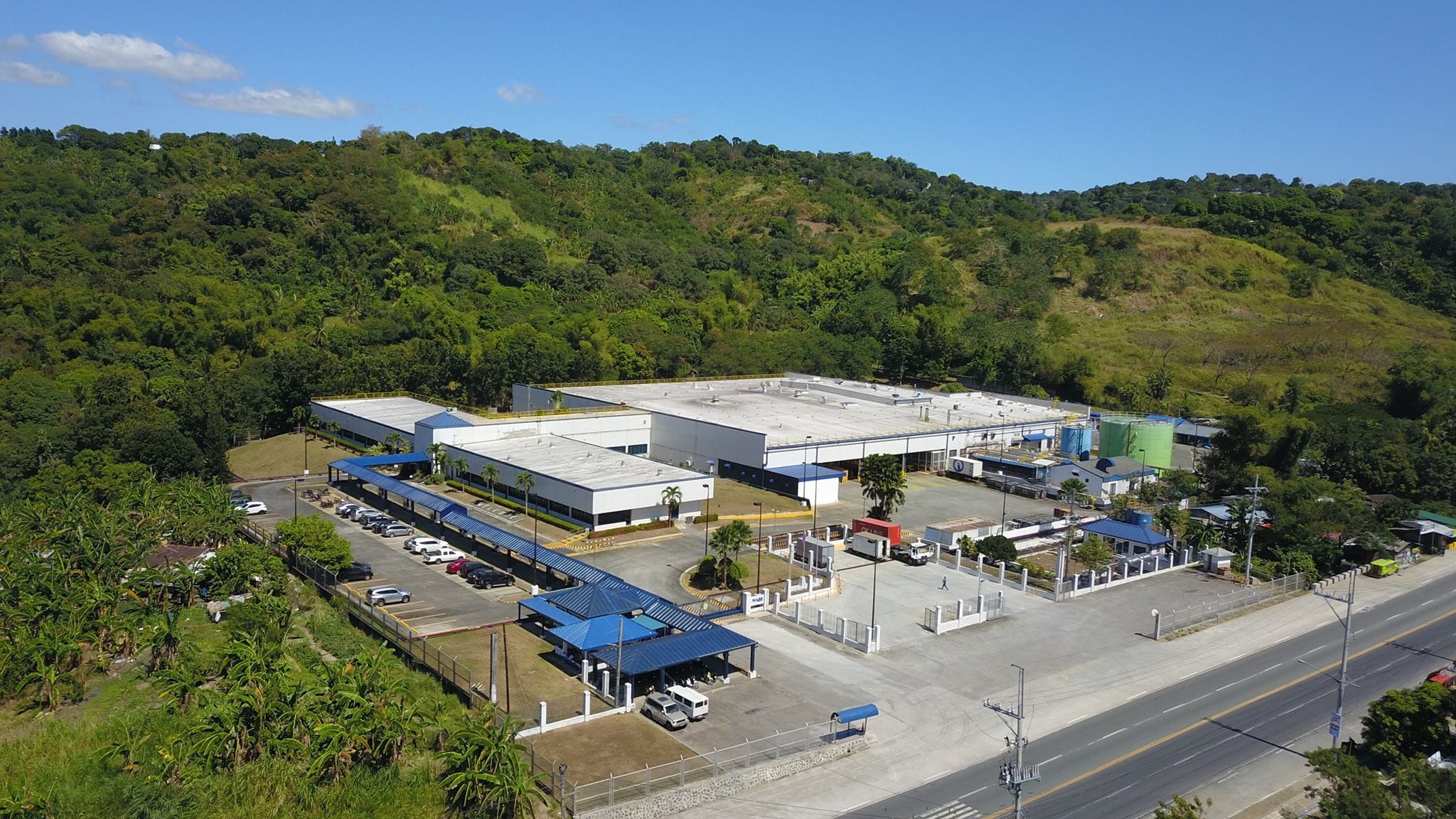
An aerial view of the Antipolo factory.
How do these inclusivity measures connect with Mars Wrigley’s global purpose: “The world we want tomorrow starts with how we do business today”?
At Mars Wrigley, our global purpose— “The world we want tomorrow starts with how we do business today”—is at the heart of every decision we make, including our commitment to inclusivity in the workplace.
Measures such as feeding rooms, flexible support systems, and reintegration pathways for mothers returning to work are not just policies; they are tangible expressions of our belief that business success is inseparable from the well-being of our people and communities. By embedding inclusivity into our daily operations, we ensure that everyone, especially women and caregivers, has the opportunity to thrive—reinforcing our conviction that a better tomorrow begins with the actions we take today.
Inclusivity in Action:
We recognize that an inclusive society is foundational to long-term value creation. By supporting mothers and caregivers through dedicated spaces and flexible arrangements, we enable our Associates to thrive both professionally and personally. This approach reflects one of Mars’ core principles: creating mutual benefits that endure. We believe that when our people are supported, they are empowered to deliver quality confectionery that delights millions, while also contributing positively to the communities where we operate.
Local Impact, Global Purpose:
In Antipolo, our focus on caring for our communities and planet is evident through initiatives such as the Yula Women’s Initiative, Smile Train, and the Enhanced MVP program. These partnerships solve meaningful problems and foster social capital, demonstrating our commitment to inclusivity beyond the workplace. For example, programs like Brigada Eskwela and the installation of rainwater catchment systems at local schools show how we extend our values to create lasting benefits for society.
Looking ahead, what changes do you foresee in the skills, technology, and workforce composition in manufacturing over the next 5–10 years, and how is Mars Wrigley preparing for them?
Looking ahead, we anticipate the manufacturing sector will undergo significant transformation over the next 5 to 10 years, driven largely by automation and artificial intelligence. We see these technologies as enablers that will help us produce the highest quality products, enhance operational safety while simplifying processes so that our Associates can focus on what matters most: serving our consumers and customers.
Equally important, the role of our Associates will continue to evolve. Multiskilling and continuous professional development will be key in equipping them with the knowledge and capabilities to work confidently alongside new technologies. Through continuous training, hands-on experience and targeted development programmes, we are committed to investing in our Associates, ensuring they remain competitive, adaptable and future-ready.
Guided by our Principle of Mutuality, we approach these changes in a way that strengthens both our business and our people. By embracing innovation and nurturing our workforce, Mars Wrigley Asia is preparing for a future that continues to deliver operational excellence, sustainable growth and meaningful impact for many years to come.
Topics
Author
Loading...