








Economy Policy
More productive, but not fully utilised: Malaysia's evolving workforce challenge







Skill-related underemployment remains a concern, with a substantial number of tertiary-educated workers employed in semi-skilled and low-skilled occupations.
Malaysia's labour market is holding steady, with employment continuing to expand and productivity gains supporting economic growth. But beneath the positive headline trends, the country's workforce faces a more fundamental challenge: ensuring that growth translates into better utilisation of skills, more productive jobs and wider economic participation.
The latest labour market review from the Department of Statistics Malaysia (DOSM) points to an economy where labour supply and employment continue to grow, while unemployment remains relatively stable. Yet, the expansion is unfolding alongside persistent skills mismatches, uneven productivity gains across industries and a workforce participation gap that continues to limit the country's labour potential.
"The 26.7-percentage-point gap between women's and men's labour force participation highlights the untapped potential in Malaysia's workforce."
The picture is less one of a labour market under strain than of one undergoing a transition, where the next phase of growth will increasingly depend on how effectively businesses deploy talent, adapt work to technological change and create opportunities for workers to move into higher-value roles.
Productivity growth is increasingly shaping the labour market narrative
Malaysia's productivity performance suggests that economic growth is being supported not just by an expanding workforce but also by improvements in output relative to labour input. However, the pace and distribution of these gains vary across industries, pointing to differing levels of transformation and efficiency across the economy.
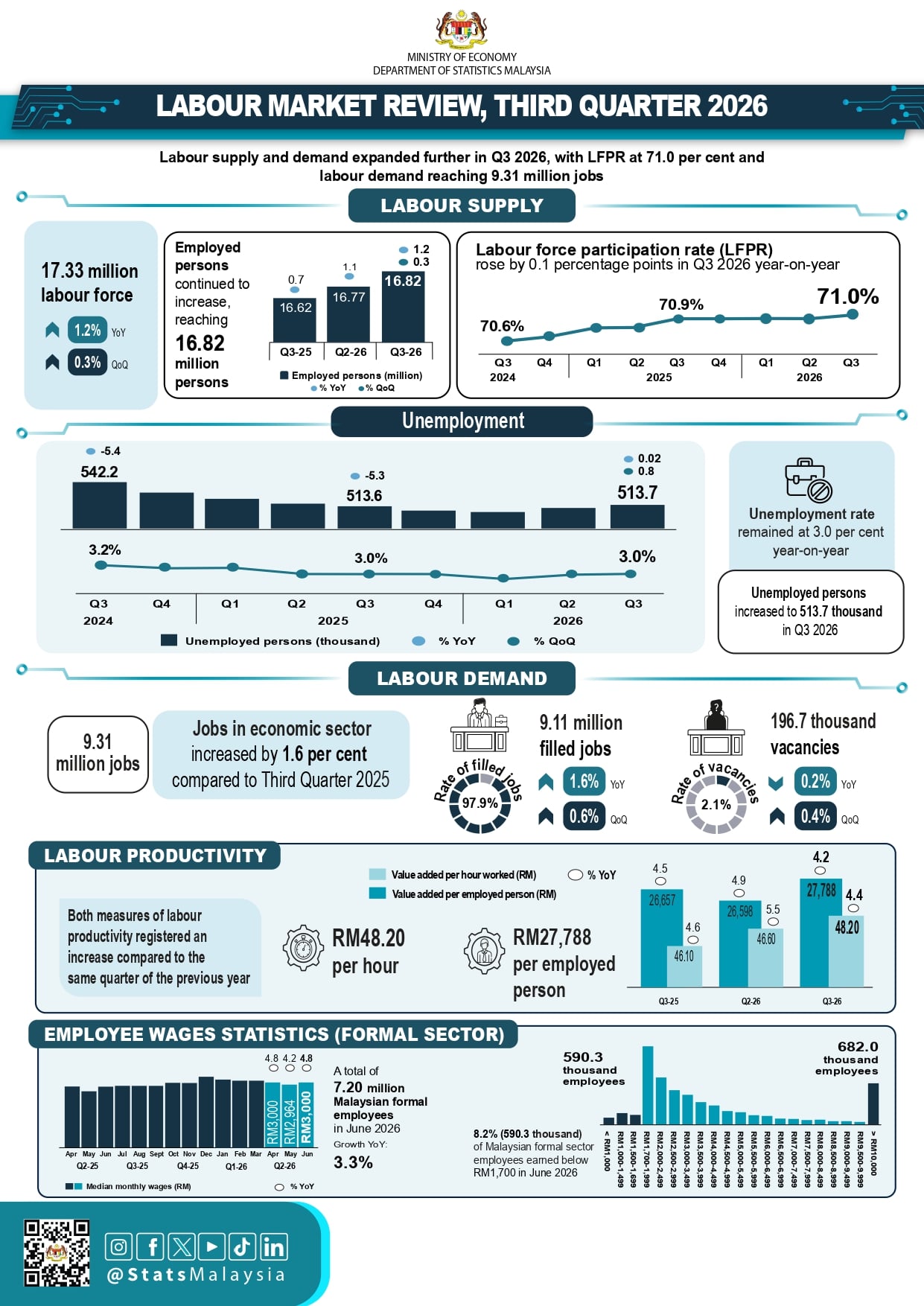
Manufacturing, construction and services have emerged as important contributors to productivity growth, while mining and quarrying have experienced a weaker performance. Within manufacturing, technology-oriented subsectors, particularly electrical, electronic and optical products, have recorded notable improvements, reinforcing the importance of higher-value production to Malaysia's economic ambitions.
This divergence suggests that productivity improvements are increasingly sector-specific rather than evenly distributed across the economy. Industries that are benefiting from investment, technology, evolving production processes and changing demand may be better positioned to improve output relative to labour input, while others remain exposed to cyclical or structural pressures.
For employers, this makes productivity less a question of workforce size and more a question of how work is organised, skills are deployed and technology is integrated into operations. As businesses navigate changing cost structures and competitive pressures, the ability to improve processes, build capabilities and redesign jobs could become increasingly important.
The digital economy is expanding, but translating investment into workforce value remains critical
Malaysia's growing digital economy is adding another dimension to the labour market transition. Digital infrastructure, cloud computing, artificial intelligence, e-commerce and technology-enabled services are becoming increasingly intertwined with economic activity, creating opportunities for businesses to scale, improve operations and develop new capabilities.
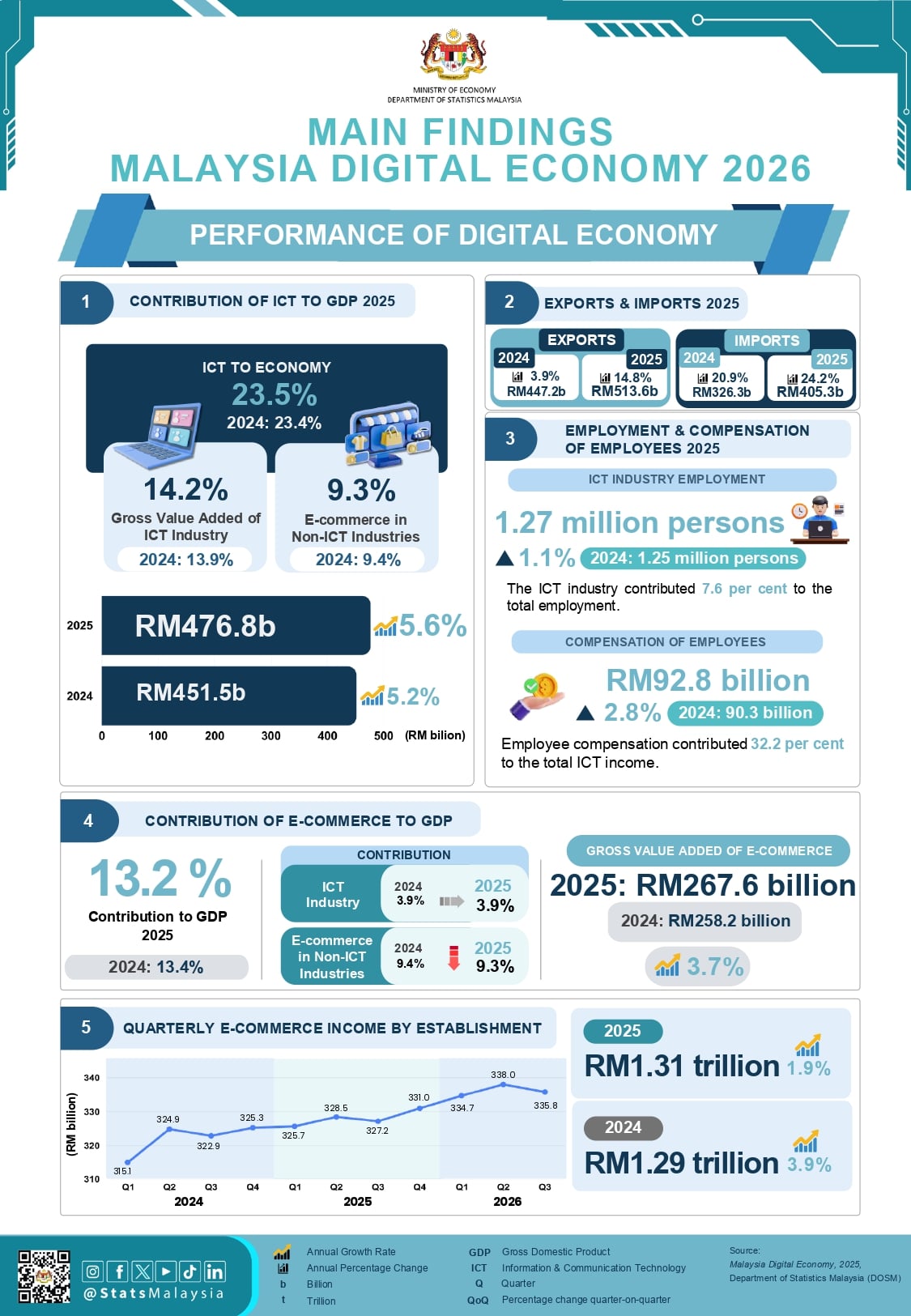
The expansion of the digital economy also reflects a broader shift in the country's economic priorities towards technology-driven growth. Investment in data centres and digital infrastructure, particularly in Johor, has strengthened Malaysia's position within Southeast Asia's technology ecosystem, supported by its proximity to Singapore, infrastructure availability and investment incentives.
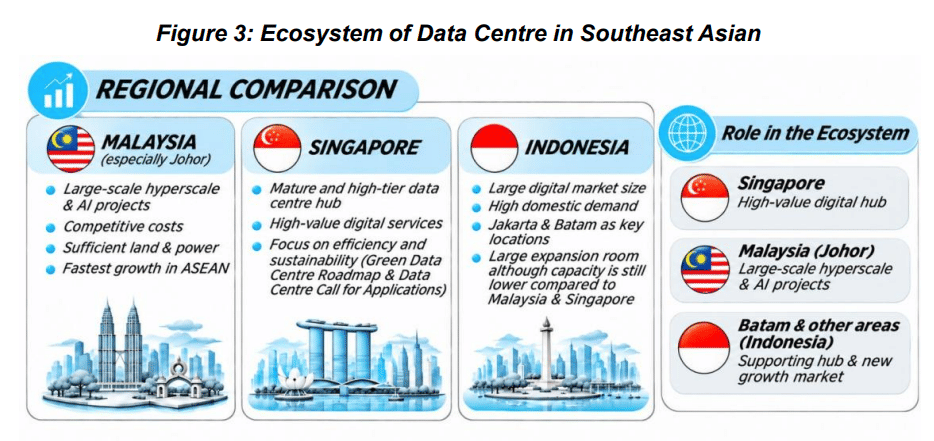
However, infrastructure and capital investment alone do not guarantee productivity gains across the wider workforce. The economic value of digital transformation will depend on how effectively businesses integrate technology into their operations, build employee capabilities and adapt roles to changing requirements.
The growing importance of AI, cloud computing and digital services could also reshape the skills employers seek, particularly in technology, engineering, data, cybersecurity and other specialised fields. But the transition is unlikely to be confined to technical occupations. As digital tools become embedded across business functions, workers in finance, operations, customer service, manufacturing and human resources may also need to adapt.
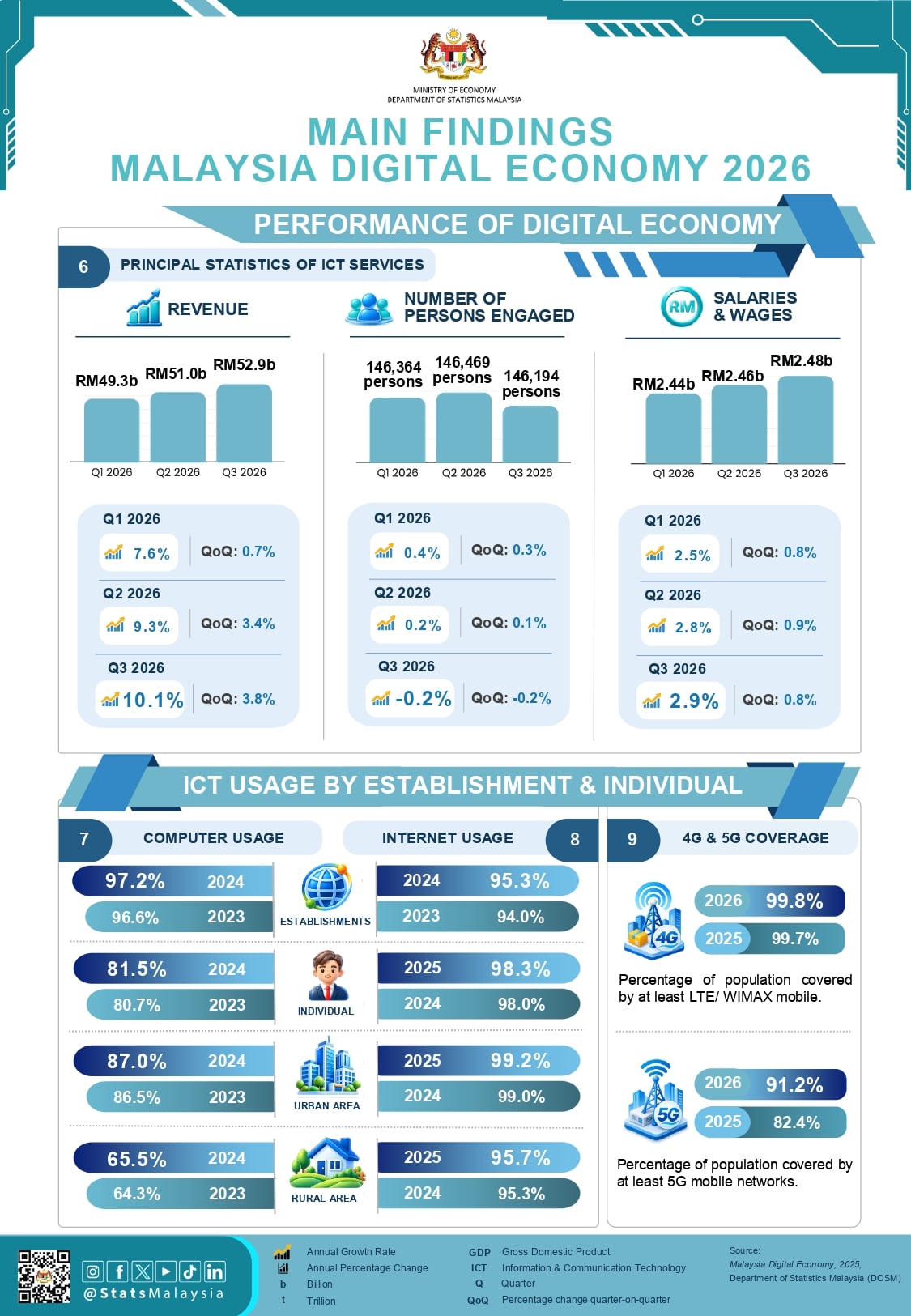
This makes workforce development a central component of Malaysia's digital ambitions. The challenge is not simply to attract investment or expand technological infrastructure, but to ensure that businesses and workers can translate these developments into meaningful productivity improvements.
Skills mismatch continues to complicate the employment outlook
One of the more persistent challenges in Malaysia's labour market is the gap between workers' qualifications and the jobs they occupy.
Skill-related underemployment remains a concern, with a substantial number of tertiary-educated workers employed in semi-skilled and low-skilled occupations. Although the underemployment rate has declined, the number of workers affected has increased, underscoring the scale of the challenge.
This suggests that employment growth alone may not be sufficient to address the country's workforce needs. The ability to match qualifications and capabilities with appropriate roles is equally important, particularly as Malaysia seeks to move towards higher-value economic activities.
For employers, the mismatch raises questions about recruitment, internal mobility, career progression and the effectiveness of training programmes. Workers may possess formal qualifications, but employers increasingly need capabilities that align with evolving business models, technological adoption and industry-specific requirements.
The challenge, therefore, extends beyond reskilling. Businesses may also need to reconsider how jobs are designed, how skills are assessed and how employees are given opportunities to apply their capabilities. Without greater alignment between training, occupational requirements and business demand, skills development risks failing to address the underlying mismatch.
The modest movement in job vacancies, even as filled jobs continue to expand, also highlights the complexity of labour demand. The labour market may be generating employment, but the availability of roles and the skills required to fill them do not necessarily move in tandem.
Women's participation remains an untapped source of workforce potential
Malaysia's labour market transition also brings the issue of workforce inclusion into sharper focus, particularly women's participation.
Despite improvements in educational attainment and literacy, women continue to participate in the labour market at a considerably lower rate than men. The gap points to a broader structural challenge that cannot be addressed solely through employment creation or education.
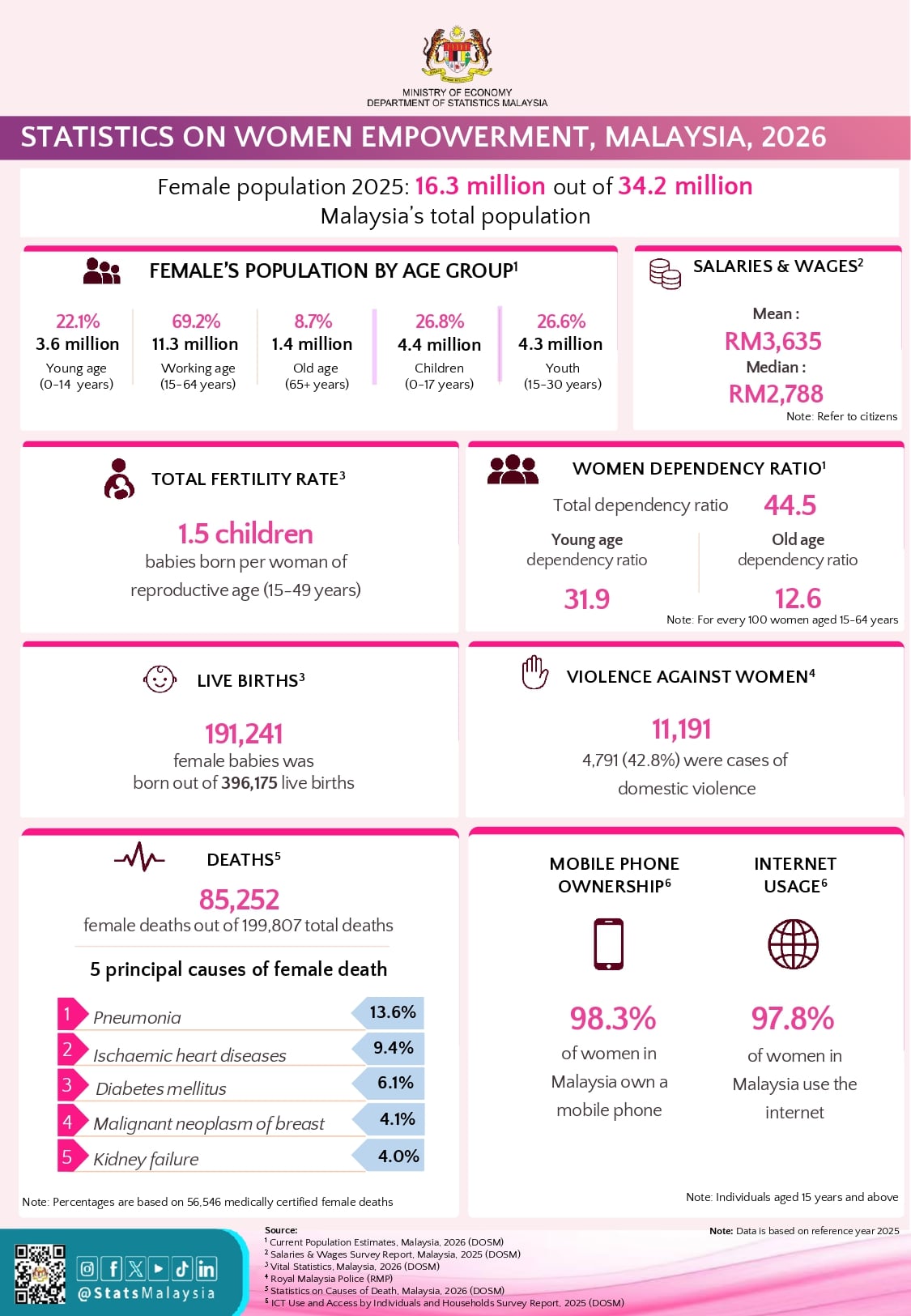
The disconnect between educational outcomes and labour market participation raises questions about access to opportunities, career continuity, workplace flexibility, caregiving responsibilities and the conditions that enable women to remain economically active.
For employers facing evolving skills requirements and competition for talent, widening participation could offer a way to strengthen workforce capacity. Flexible working arrangements, inclusive hiring, career-return programmes and more accessible pathways to progression could help address some of the barriers that affect participation, although these measures need to be supported by broader structural changes.
The gender gap also extends beyond participation to representation and opportunity across different dimensions of economic and social life. While Malaysia has made progress in narrowing some aspects of the gender gap, the pace of change remains uneven.
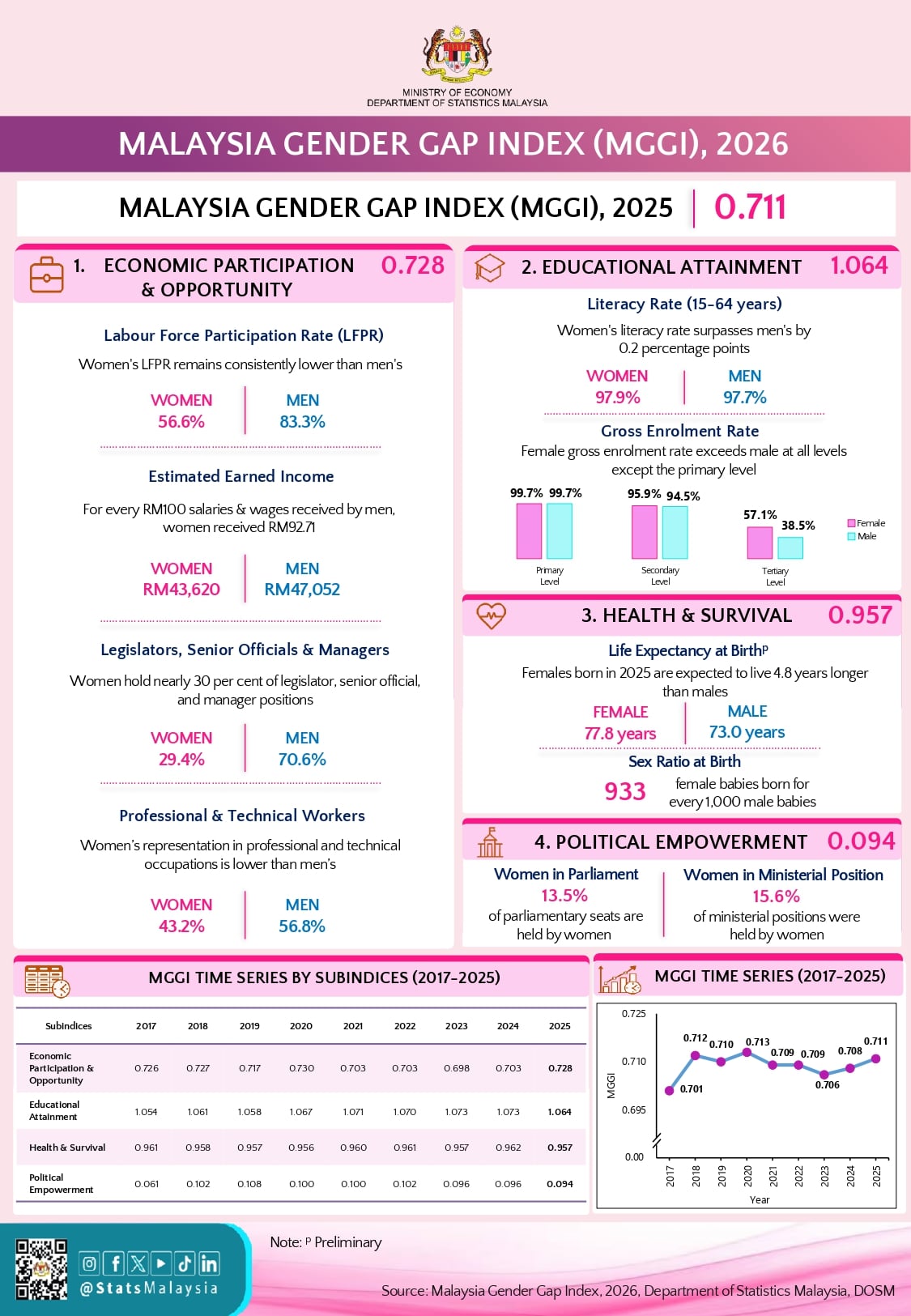
The broader implication is that workforce inclusion is not simply a social policy consideration. It is also closely linked to the country's ability to mobilise talent, improve workforce utilisation and sustain economic growth.
The next phase of growth will depend on how Malaysia uses its workforce
Malaysia enters the next phase of economic growth with a relatively stable labour market, expanding employment, improving productivity and a growing digital economy. These developments provide a foundation for continued economic progress, but they also highlight the need to address structural challenges that could constrain the country's longer-term ambitions.
Productivity gains remain uneven across industries. Skills mismatch continues to affect workforce utilisation.
Women's participation remains below men's, while technological investment is creating new demands on businesses and workers to adapt.
The challenge for policymakers and employers is to connect these developments more effectively. Investment needs to translate into productive activity, skills development into relevant capabilities, employment growth into better job matching, and workforce inclusion into broader participation.
As Malaysia advances its digital and economic transformation, the measure of progress will increasingly be not just how many jobs the economy creates or how much capital it attracts, but how effectively it converts these resources into productive, sustainable and inclusive work.
Author
Loading...