








Leadership
Hospitality’s New Era: Satish Kumar on resilience, inclusion, and innovation at Accor
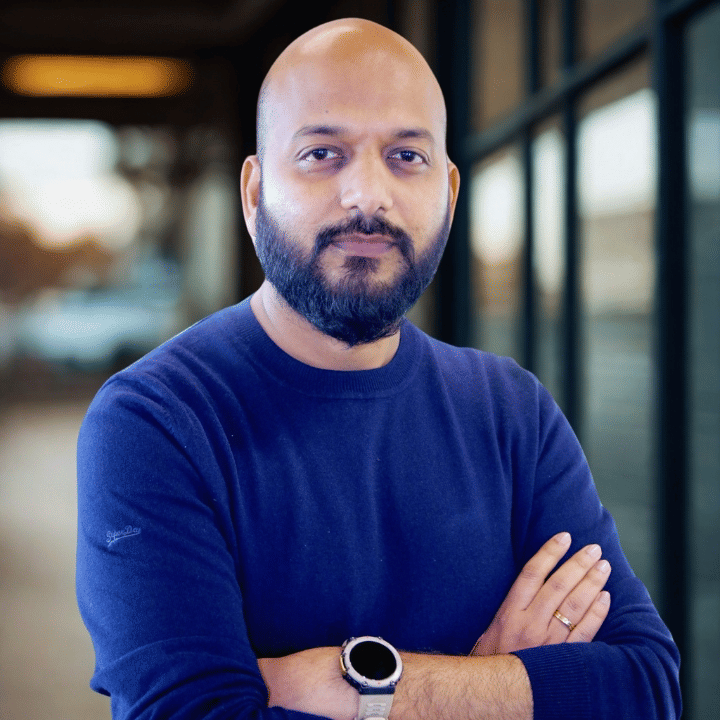




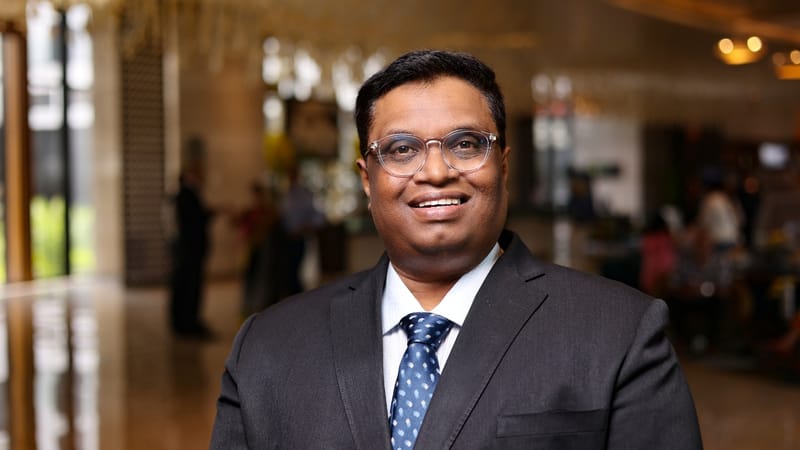
Today, our biggest challenge is finding and engaging enough people who see hospitality as a career, notes Kumar. The pipeline from hotel schools has slowed, with fewer students enrolling in hospitality courses post-pandemic.
If you want to understand the pulse of Indian and South Asian hospitality, there’s no one better to listen to than Satish Kumar, Senior Director – People & Culture at Accor India & South Asia. In a candid conversation with People Matters, Kumar shares the inside view of leading people and culture for more than 12,000 employees across 70 hotels in the region. His story is not just about managing numbers – it’s about nurturing purpose, resilience and a truly human workplace in a sector defined by warmth and connection.
A Sector Transformed: From survival to growth
Kumar’s journey as a people leader spans more than a decade at Accor, during which time he’s witnessed seismic shifts, especially post-pandemic. “Hospitality is about people, experiences, and socialising. COVID-19 changed everything,” he recalls. The industry pivoted from job protection to talent attraction almost overnight, enduring periods of fear and uncertainty followed by the rush of ‘revenge travel’.
Yet, the challenges have not vanished. Kumar points to the current shortage of skilled manpower, rising costs, and the shifting expectations of a multi-generational workforce. “Gen Z has arrived with new ambitions. They want balance, growth, flexibility and purpose,” he says. For industry veterans, this means constant adaptation – not just to technology, but to the evolving needs and mindsets of employees.
Solving the Talent Crunch: Building a bigger pie
“Today, our biggest challenge is finding and engaging enough people who see hospitality as a career,” Kumar notes. The pipeline from hotel schools has slowed, with fewer students enrolling in hospitality courses post-pandemic. Recognising this, Accor is working with educational institutions to update curricula and expand short-term courses that meet industry needs.
But Kumar’s approach is refreshingly inclusive. He advocates looking beyond traditional hotel schools, recruiting graduates from other disciplines, and tapping into diverse talent pools. “Why only hire hotel school graduates for the front desk? Regular graduates can excel, too.” This strategy isn’t just about filling roles – it’s about making hospitality a career of choice, not a last resort.
Culture as the ultimate differentiator
In an industry notorious for long hours and high attrition, Kumar is clear about Accor’s differentiator: culture. “People who leave often call to come back. They realise the ultimate difference is how they’re treated.” At Accor, the culture is entrepreneurial, collaborative and deeply respectful. Employees are trusted to own their work and make decisions, while leaders are expected to enable and empower.
“Come as you are,” Kumar says, describing the inclusive philosophy at play. Recognition and respect aren’t just slogans; they are embedded in onboarding, cultural immersion modules, and everyday interactions. Crucially, Kumar stresses that frontline workers – who make up 80 percent of the workforce – must feel the culture, not just hear about it. “It’s not enough for them to attend a module. They need to experience it on the shop floor.”
Walking the Talk: When culture stands the test of time
Kumar is proud of Accor’s response to extraordinary circumstances. During COVID-19, the company launched a global fund to support employees facing financial hardship, with no questions asked. Whether it’s extending paid leave to those with health challenges, mobilising funds for an employee’s sick child, or accommodating personal crises, the message is clear: Accor stands by its people.
Confidentiality is paramount, and the focus is always on sustainable solutions. “What can we do to ease their challenge? That’s our guiding question,” he says. The result is loyalty – not just to the company, but to the industry.
Local nuances, global vision
Operating across India and South Asia means respecting local cultures and needs. “There is no one-size-fits-all,” Kumar insists. For instance, benefits and policies in Nepal differ from those in India, and what works in Sri Lanka may not be appreciated elsewhere. Accor’s philosophy is to understand and adapt to local requirements, making inclusion and flexibility central pillars.
Technology as an enabler, not a replacement
AI and automation are changing the game, but Kumar is pragmatic. “Anything that’s time-intensive and can be automated is good – it frees up time for meaningful conversations and career development.” Accor uses digital tools for recruitment and learning, but the human touch remains paramount. Technology is there to empower, not replace, people.
He emphasises the need for continuous re-skilling, especially as new generations are digital natives, while others require encouragement and support. “Once teams understand that technology complements their work, not threatens it, they get excited.”
Meanwhile, the role of people and culture has evolved from transactional to strategic. In an era of constant disruption, Kumar sees resilience as the defining trait. “Change is everywhere, but our job is to keep the organisation sane and assure teams amid the volatility.” Enhanced communication, empathy and clarity are his tools for navigating ambiguity.
The resilience is not just for leadership – it’s a lifeline for every employee. “Our industry is the service business. Assurance and continuity are the most important factors.”
Designing the Future: Multi-skilling and inclusion
Looking ahead, Kumar predicts an increasing scarcity of skilled manpower. Service designs will adjust, and multi-skilling will become the norm, especially outside luxury hotels. Indian hospitality’s edge in personalisation may diminish, but warmth, adaptability and softer skills will remain crucial. “Efficiency and speaking English aren’t the same thing. The warmth you feel in a hotel transcends language.”
Inclusion is set to become an even greater focus. Accor already employs over 200 team members with disabilities, partners with NGOs, and invests in skilling women and underrepresented groups. “Making the pie bigger means representing every section of society.”
Asked about the one non-negotiable cultural priority, Kumar is unequivocal: “How we treat people. Everyone comes as they are, and is respected and trusted.” When concerns arise around this, the entire organisation responds.
The heart of hospitality
Kumar’s journey and insights reveal a story of transformation, innovation, and deep compassion. In the shifting landscape of hospitality, he remains committed to putting people first – not just as a business strategy, but as a way of life. For Accor India & South Asia, the future is about resilience, inclusion and purpose. It’s a story where every employee matters, and the heartbeat of hospitality is felt in every interaction.
As Kumar says, “The core of hospitality never changes: giving guests a clean, safe room and a warm meal. How well we do it, consistently and with heart, is what will define us.”
Topics
Author
Loading...