








Recruiting & Onboarding
L’Oréal’s Michael Kienle on preparing young talent for the changing world of work
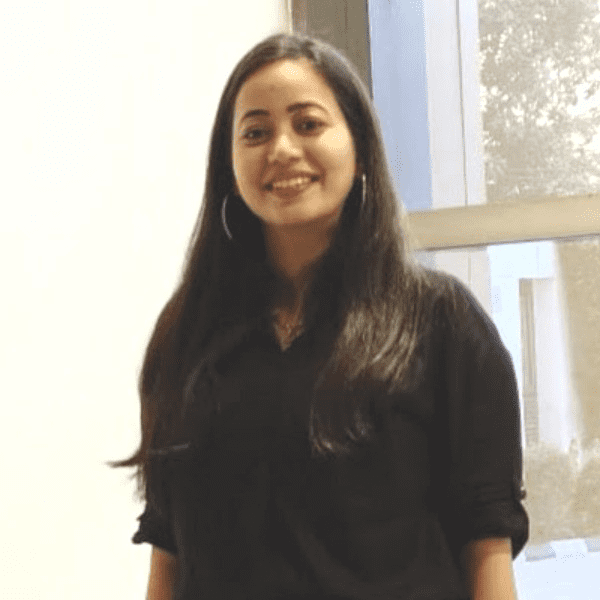


Kienle underscores the importance of human interaction in AI-enabled recruitment, alongside authentic hiring practices and an inclusive workplace where employees feel they belong.
As the gap between education and employment continues to challenge young talent across Southeast Asia, employers are increasingly being called upon to play a more active role in preparing the next generation of workers. At L’Oréal, this means going beyond traditional recruitment to create opportunities for young people to build skills, gain practical exposure and explore future-ready career pathways.
In this interview, Michael Kienle, Global Head of Talent Acquisition at L’Oréal, discusses how the company is bridging the education-to-work gap through meaningful initiatives for young people, including upskilling opportunities, masterclasses, business competitions such as Brandstorm and mentoring from senior leaders.
He also shares how these initiatives are helping graduates access high-value career opportunities, why Southeast Asia is emerging as an important source of talent for the wider region and globally, and how expertise and talent mobility across markets can strengthen the organisation.
Read Kienle’s indepth insights below:
The biggest workforce readiness gaps amid changing demands of work
When you start your first job, you discover how much there is to learn through working with other people. You may know your subject very well. Then you have to make a recommendation, explain it to another team and adjust when the consumer responds differently from what you expected.
That takes practice. Our role as an employer is to give young people the opportunity to build that experience.
Through our 18-month SeedZ management trainee programme, they work across different parts of the business. They develop commercial understanding, learn to collaborate and take responsibility, with support from experienced colleagues.
We are now preparing the next step. From 2027 onwards, we will integrate the L’Oréal AI skills framework into SeedZ, covering prompt and data engineering, critical thinking and problem-solving.
Young people are already very familiar with digital tools, and many use AI every day. They still need to learn how to apply it to business questions. That experience is often missing when they leave university.
Our objective is for every management trainee to complete the 18 months ready to work in our AI-enabled business. We have to help them connect their familiarity with the technology to sound professional judgement.
How L’Oréal helps young talent build practical skills beyond the classroom
The interaction with our people makes a big difference. You can hear how someone approached a problem, ask questions and understand why they made certain decisions.
L’Oréal Brandstorm, the world’s largest innovation competition for young people, creates that kind of exchange around a real business challenge. It is integrated into the academic curricula of nearly 200 universities and schools worldwide. Participants develop their ideas with feedback from experts across the company.
Once they join us, SeedZ gives them the opportunity to learn through everyday work. Rotations help them understand the connections between functions. They see how their decisions affect colleagues and how different teams contribute to the same result.
Managers have an important responsibility here. They need to explain expectations, give regular feedback and allow trainees enough autonomy to find their own approach.
Our ONE Leadership framework helps us adapt our leadership principles as the business and employee expectations evolve, while remaining true to our culture. That requires leaders to keep developing as well.
Learning also flows from younger colleagues to senior ones, particularly through reverse mentoring on digital topics and AI. I think that openness is very important. Everyone brings something, and everyone has something to learn.
Translating skills development into tangible career pathways and access to future-ready roles across Southeast Asia
A young person wants to understand what an opportunity could lead to. Through L’Oréal for Youth, we bring together ways to develop employability, gain professional experience and discover the company.
Internships, apprenticeships and SeedZ provide different entry points. With SeedZ, the development continues over 18 months, through rotations, responsibilities and support from our teams. The integration of our AI skills framework from 2027 will help trainees prepare for the way our business is evolving.
Brandstorm provides another route. We recruit up to 500 participants globally each year. In 2026, the wider SAPMENA region contributed more than 184,000 registrations and three of the six global finalist teams.
You can also see the longer-term possibilities through individual stories. The CEO of L’Oréal Vietnam participated in Brandstorm before joining the company. That first encounter became part of a much longer journey.
Of course, people will follow different paths. What matters is that they can continue learning and taking on new responsibilities after they join.
For those who go elsewhere, the experience should also be useful. They have developed ideas, worked with professionals and gained confidence. That contributes to their employability beyond L’Oréal.
Measuring the impact of L’Oréal’s youth initiatives through employability outcomes, career progression and long-term value creation.
The number of participants who join us gives us one concrete indication. Brandstorm’s annual recruitment figures show that these experiences can lead to employment.
I would then look at what happens afterwards. What has someone learned? Can they take on more responsibility? Are they able to apply their skills in a different situation?
With SeedZ, we want trainees to build a broader understanding of the business and become increasingly confident in their contribution. From 2027, we will also have a clear objective around AI readiness by the end of the programme.
Further along, there are different ways to grow. Someone may move into another division, develop expertise or lead a more complex project. These experiences can be very valuable, even when the job title does not change immediately.
I think we should talk more about skills and impact when discussing progression. A promotion should come with the ability to take on greater responsibility.
We also know that some participants join L’Oréal later in their careers, although those longer-term connections are harder to track precisely.
Ultimately, I would ask whether the experience has helped someone move forward. That includes people who build their careers outside L’Oréal.
Making career preparation and professional growth more accessible to young talent across diverse markets.
You have to understand the local context and listen to individuals. Southeast Asia includes very different markets, and young people have different backgrounds and ambitions.
The same applies when we talk about Gen Z. Many of their expectations resonate with what I wanted when I started: opportunities to learn, meaningful work and the freedom to be myself. They express those expectations more openly today.
Employers should look at a broad range of educational backgrounds and recognise pathways such as apprenticeships and work-based learning. We also need to take responsibility for developing people after recruitment. SeedZ allows us to invest in potential and build skills through experience.
L’Oréal receives more than two million applications globally each year. Understanding the person behind an application requires genuine conversation, especially now that AI can help produce a very polished CV. Every candidate must therefore meet someone in person before joining us.
And the experience once they arrive matters enormously. People need to feel that they belong and can be themselves. Our workforce should reflect the diversity of our consumers.
Candidates can see very quickly whether a company lives up to what it says. We have to be authentic about our culture and deliver on our commitments.
Positioning Southeast Asia as a source of regional and global talent while expanding international career opportunities for young professionals.
Working in Southeast Asia can give you valuable experience early in your career. You encounter different consumer expectations, cultures and ways of doing business. You learn to adapt and to ask questions before assuming you have the answer.
Companies need to help people build on that experience. Cross-market projects are a useful first step. They allow young colleagues to work with other teams, develop relationships and demonstrate what they can contribute. Mentors and sponsors can then help them prepare for further opportunities.
There is also a lot that colleagues in other regions can learn from Southeast Asia. Expertise should circulate across the company.
For young people, I think it is important to see that they can have different experiences within the same organisation. I have held 11 roles in 27 years at L’Oréal. You do not need to change companies to change jobs.
SeedZ can be the beginning of that journey. Development then continues across functions, divisions and markets.
Our campaign, “Life is too short for a boring career”, expresses that possibility. You can keep learning, change direction and gradually take on responsibilities with greater impact. Our role is to help make those possibilities real.

Topics
Author
Loading...