








Recruitment
Beyond the resume: How social media is changing talent acquisition





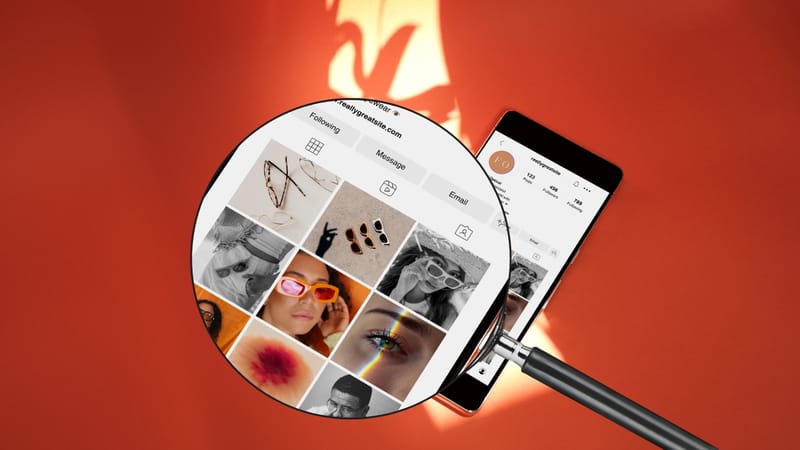
Social media is helping employers reach broader talent pools, reduce hiring costs, showcase workplace culture, and engage candidates more effectively, according to research.
In today’s fast-paced world, social media has transformed from a casual networking space into a powerful tool for hiring the right talent. Companies, big or small, are tapping into platforms like LinkedIn, Facebook, Instagram, and even Twitter or X to find and attract job candidates.
For example, Microsoft uses LinkedIn not just to post jobs, but to proactively search for professionals whose skills match their needs, making the hiring process faster and more targeted.
Similarly, Unilever leverages social media to showcase its company culture through videos and employee stories, attracting candidates who resonate with their values.
Even smaller businesses benefit: a San Francisco startup recently reported that over half their new hires came through Instagram, where they shared behind-the-scenes looks at daily work life to engage potential employees.
These examples show how social media allows employers to reach a much larger and more diverse pool of candidates than traditional methods. It also gives recruiters insights into candidates’ personalities and interests, helping them find people who fit not only the job requirements but also the company culture. This shift means that recruitment today is quicker, more cost-effective, and far more flexible than ever before.
Speed and flexibility in hiring
Research shows that social media platforms allow companies to conduct recruitment faster and with greater flexibility compared to traditional channels. According to a systematic literature review on social media’s role in recruitment, “Social media can be used as an effective platform for a faster and more flexible recruitment process” and offers significant advantages in terms of cost and time savings.
This means organisations can quickly post job openings and connect with a wider pool of candidates without the delays associated with conventional hiring methods.
Access to large and more diverse talent pools
Social media platforms like LinkedIn, Facebook, Instagram, and Twitter enable recruiters to reach beyond local candidates, tapping into national and even global talent pools. As outlined by research on informatics education,“Social media platforms provide access to vast networks of potential candidates beyond traditional recruitment channels”.
This helps employers find specialised skills and connect with passive candidates who may not be actively searching for jobs but are open to opportunities.
Understanding candidates beyond the resume
One of the major advantages of social media recruitment is the deeper insight recruiters can gain about candidates. The systematic review highlights that social media “gives recruiters a thorough understanding of potential applicants' identities before engagement” and allows evaluation of personality traits and cultural fit by examining profiles and activity online.
Moreover, different platforms provide different types of information: “Facebook tends to reveal behavioural insights, while LinkedIn focuses more on professional and job-related information.” This multi-dimensional view helps recruiters make better-informed decisions.
Showcasing company culture and employer brand
Social media offers companies a unique opportunity to demonstrate their values, work environment, and employee experiences through posts, videos, and employee testimonials. “Social media hiring is an excellent forum for showcasing a company’s culture, which in turn helps attract candidates who align with the organisation’s values,” according to a research.
Furthermore, encouraging employees to share their positive experiences enhances employer branding and can reduce turnover. One study found that “the more information employers share on social media, the lower the chances of employees leaving the company.”
Catering to mobile and digitally savvy workforce
With Millennials and Gen Z making up the majority of today’s workforce, recruiting via social media aligns with the preferences of these generations. The literature review emphasizes that “social media recruiting is particularly useful for reaching younger candidates who expect employers to be digitally active and accessible.”
Additionally, the rise of mobile devices means job seekers want to apply quickly and easily. As noted, “employers should develop mobile-friendly platforms and apps to attract highly qualified candidates who prefer instant application processes.”
Use it strategically
While social media recruitment offers many benefits, its success depends on having a clear and consistent approach. Employers are advised to “develop precise recruitment and selection procedures tailored for social media platforms” and be mindful of the information shared publicly.
Setting guidelines or policies around social media use helps protect both employers and candidates, ensuring recruitment is fair and effective.
Importantly, social media recruitment should complement, and not replace, traditional methods. The research highlights that “human resource teams must understand and integrate social media alongside conventional hiring processes” to fully leverage its potential.
Social media provides a cost-effective way to gather information about candidates and enhances transparency, but personal interaction and formal assessment remain crucial parts of recruitment.
Social media has fundamentally changed how companies attract and hire employees. It speeds up the process, broadens reach, enhances employer branding, and provides deeper candidate insights. When used thoughtfully and strategically, social media is an indispensable part of modern recruitment.
Topics
Author

Loading...