








Strategic HR
AI is raising the value of people, not replacing them: Schneider Electric’s Karen Angeli Gabriel-Diaz


 ||
||

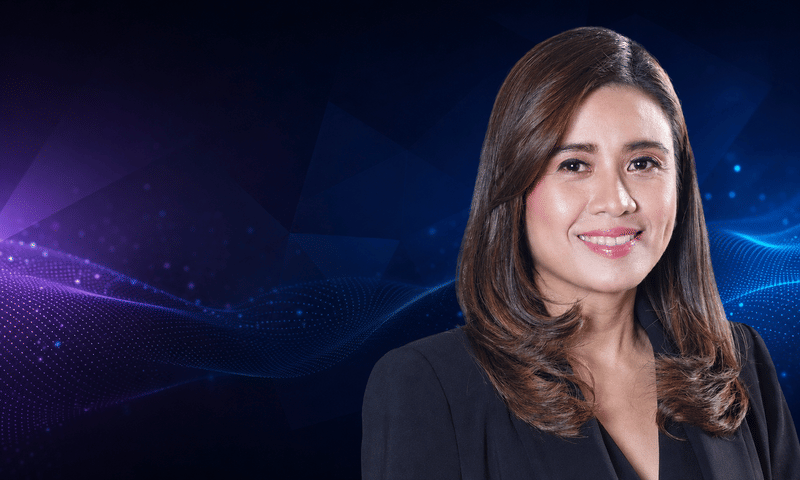
The Philippines has talent, demographic energy and a proven services economy. Its next growth advantage will depend on whether leaders can now turn those strengths into higher-value work, AI readiness, stronger capabilities and organisations built to keep changing.
For years, the Philippines’ talent story has been powered by resilience, adaptability and service excellence. But as business models shift and digitisation accelerates, the next workforce advantage will not come from resilience alone. It will come from readiness.
That is the shift Karen Angeli Gabriel-Diaz, Philippines HR Director and Power Systems EA HRBP - China & East Asia Operations, Schneider Electric, believes organisations must prepare for now. Schneider Electric, a global energy technology company focused on electrification, automation and digital intelligence, is operating in a world where workforce capability and business transformation are increasingly inseparable.
“The biggest workforce shift we are preparing for is the transition to a more skills-first, future-ready workforce driven by digitisation and evolving business models,” says Diaz.
For Schneider Electric in the Philippines, this means sharper investment in digital upskilling, technical career paths and leadership development. But it also means rethinking how work is structured. Diaz points to a more agile workforce model built around flexibility, role synergy and mutualisation of capabilities, with proactive talent pipelining becoming a key enabler.
AI is raising the value of human capability
AI is already changing how work gets done at Schneider Electric. Diaz says it is helping automate routine work, improve employee support, generate faster insights and enhance customer experience.
But the more important shift is not what AI takes away. It is what it makes more valuable.
“AI doesn’t reduce the importance of people, it elevates it,” she says. “As AI handles more transactional activities, human capabilities such as critical thinking, learning agility, collaboration, leadership and customer empathy become even more valuable.”
That distinction matters for Philippine organisations preparing for the next wave of growth. AI adoption cannot be treated only as a technology project. It has to be matched with workforce planning, role redesign and capability-building.
Diaz frames Schneider Electric’s approach clearly: “Our focus is not on replacing people with AI, but on creating a workforce where technology augments human potential and allows our people to contribute at a higher level.”
Skills-first thinking starts with where the business is going
For Diaz, future skills cannot be identified by looking only at today’s jobs. The starting point has to be business direction.
“As roles evolve, we look at where the business is headed and its vision, versus focusing on today,” she says. “We identify the organisation and capabilities needed to achieve that ambition.”
That then shapes talent development, workforce planning and succession planning. The aim is not only to train employees for immediate gaps, but to create pathways into emerging opportunities before the business need becomes urgent.
This is where the skills-first conversation becomes strategic. It is not simply about adding more learning programmes. It is about connecting business ambition with workforce readiness.
Employees want growth, but managers must change too
Employee expectations are also shifting. Diaz says employees today are looking for growth, meaningful work, stronger workplace support and flexibility. But organisations often move too slowly in creating dynamic career development for future leaders.
There is also a manager challenge.
She believes managers must accept that today’s teams will not follow the same career journeys that leaders may have experienced in the past. This is especially relevant for younger talent, who expect faster learning, clearer pathways and more meaningful work.
For HR leaders, that means talent transformation cannot stop at employee programmes. It has to include stronger manager capability: helping managers coach differently, support mobility, build confidence and create space for employees to take ownership.
The Philippines’ advantage must move from harmony to voice
Asked what makes the Philippine workforce competitive, Diaz points to resilience.
“Filipino employees continuously demonstrate the ability to adapt to changes, navigate uncertainty and remain committed for the sake of community,” she says.
But moving towards higher-value work will require another shift: confidence in challenging ideas.
Diaz observes that Filipinos often value social harmony and relationships, which can sometimes make people hesitant to speak up or question the status quo. For organisations seeking greater innovation, that becomes a leadership issue.
“To drive greater innovation, we need to cultivate an environment where employees feel empowered to contribute ideas,” she says.
This may be one of the most important workforce questions for the Philippines: how can organisations preserve the strengths of community and collaboration, while building a stronger culture of voice, challenge and experimentation?
The real test of HR impact
For her, HR’s contribution to business performance can be tested with one simple question: “If the initiative disappeared tomorrow, would the business notice a difference in the results?”
If the answer is yes, HR is moving beyond activity and metrics into business value.
That thinking is also central to TechHR Pulse Philippines 2026, which will bring together HR, business and technology leaders in Manila on 8 September around the theme, “Championing Change: Powering the Next Chapter of Growth Through People, AI and Leadership.”
Diaz's message to leaders is direct: the workforce decision that matters now is making the right investment today so the organisation is better positioned tomorrow. And that investment is not only about adding headcount or creating new roles. It is about building a strong talent strategy that prepares people for the future of the business.
As Philippine organisations look ahead, the opportunity is clear. The next chapter will belong to companies that build skills before the gap widens, strengthen managers before change accelerates, and create workplaces where people have the confidence to contribute beyond the task.
Karen Angeli Gabriel-Diaz will join leaders at People Matters TechHR Pulse Philippines 2026 to explore how organisations can lead through uncertainty, build trust and prepare talent for what comes next. Join the conversation on 8 September 2026 at Manila Marriott Hotel, Newport World Resorts, and be part of the discussions shaping the Philippines’ next chapter of growth through people, AI and leadership.
Register now for TechHR Pulse Philippines 2026 and hear from the leaders building future-ready organisations in Manila.
Author
Loading...