








Strategic HR
How Novotel Singapore redesigned work for an ageing labour force





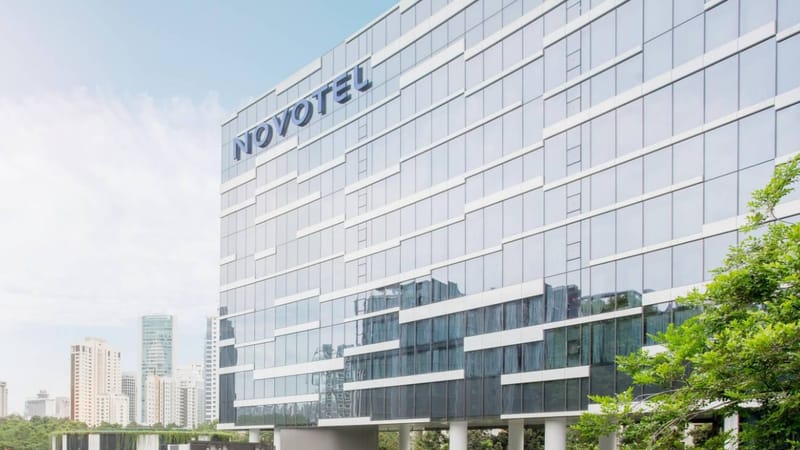
Instead of fighting Singapore's labor shortage, one hotel offered senior staff open contracts and redesigned their jobs. What happened next changed everything for their bottom line.
Singapore's workforce is getting older. By 2030, one in four citizens will be over 65, and the median employee age is already 43. For the labour-intensive hospitality sector, this demographic shift is an immediate crisis, fueling a chronic labor crunch that leaves jobs open for months.
Many companies see this as a threat, worrying about rising healthcare costs and declining productivity. But Novotel Singapore on Stevens saw a deep pool of overlooked talent.
Instead of fighting the demographic tide, Novotel leaned into it.
A perfect storm in hospitality
The challenges of an ageing workforce are not abstract; for businesses, they translate into real risks. Older workers can face higher rates of chronic illness, and the cost of employer-provided healthcare is projected to nearly double by 2030. Mismatched job roles can also increase safety concerns.
Perhaps the biggest risk is the brain drain. When senior employees retire, they take decades of priceless institutional knowledge with them. Many Singaporean organisations have found that the departure of older staff created a knowledge gap that younger employees couldn't fill, threatening business continuity.
In a sector already facing a labour shortage, ignoring this experienced talent pool is a strategic blunder. Novotel understood this and built its strategy around a simple, powerful idea: adapt the job to the worker, not the other way around.
The Novotel solution: A multi-pronged strategy
Novotel's success comes from a holistic approach that rethinks everything from contracts to culture.
1. A mindset shift: From temporary hires to valued talent
The foundation of Novotel’s strategy was to overhaul its recruitment and retention policies. They made two groundbreaking changes:
Open contracts: In an industry where older workers are often given yearly renewable contracts, Novotel offered its mature talent open contracts with "no expiry dates." The message was clear: you are a long-term, valued member of the team. This was a direct and powerful way to retain senior employees.
Pay equity: The hotel implemented a strict policy of equal pay for equal work, ensuring mature employees are compensated on the same basis as anyone else in a similar role.
These moves fundamentally repositioned senior workers as valuable assets, fostering loyalty and security.
2. Job redesign and strategic upskilling
Hiring older workers is only the first step. Novotel’s strategy for managing older employees in hospitality shines in its commitment to setting them up for success through easier, safer, and smarter job design.
A core part of this was leveraging government support. Novotel enrolled employees from its linen and houseman teams into Workforce Singapore's (WSG) Job Redesign Reskilling (JRR) programme. This government initiative provides significant salary support for companies to reskill mature workers.
The result was a fantastic reskilling senior workers case study. Through a mix of classroom learning and on-the-job training, these employees were upskilled with new technological skills. The program was so successful that one of the mature talents was promoted to a supervisory position, proving that lifelong learning is achievable at any age.
3. Flexibility and ergonomic design
Novotel introduced flexible work arrangements for older workers, offering "family-friendly shifts" to ensure employees could get adequate rest and maintain a healthy work-life balance.
The hotel also focused heavily on ergonomic workplace design for seniors.
Its teams systematically re-examined job scopes to mitigate physical risks, including practical measures like eliminating tasks that require heavy lifting or climbing on ladders. These crucial adaptations make jobs more sustainable and directly address workplace health and safety concerns.
The impact: Better retention, higher morale
The benefits of these age-inclusive policies are clear and measurable. While Novotel's specific data is internal, a parallel example from The American Club in Singapore highlights the potential. After implementing similar age-friendly practices, the club significantly reduced its staff attrition rate.
More impressively, its employee engagement score in an annual survey jumped by 10 percentage points, placing the company in the top quartile of all companies surveyed in Singapore. The club's experience demonstrates a clear link between investing in a mature workforce and achieving superior business outcomes, showcasing the best practices for a multigenerational workforce.
Key takeaways for your business
Novotel's success offers a replicable framework for any organisation facing similar demographic pressures. An ageing workforce can be a source of strength with a proactive approach.
Aligning internal policies with the broader ecosystem of support proved critical. Novotel’s strategy is brilliant because it taps into a suite of generous government grants available in Singapore. By adopting nationally recognised standards for age-friendly practices, companies can access funding like:
The Part-Time Re-employment Grant (PTRG), which provides up to $125,000 for offering flexible work options to senior workers.
The Senior Employment Credit (SEC), which provides direct wage offsets for employing Singaporean workers aged 60 and above.
By partnering with the government, Novotel effectively de-risked its investment in its mature talent pool, creating a state-subsidised business strategy.
The conversation around an ageing workforce must change from managing decline to cultivating potential. By re-examining attitudes, redesigning roles, and investing in lifelong learning, companies can build a more resilient, experienced, and engaged workforce. Novotel Singapore on Stevens has shown the way.
Topics
Author
Loading...