








Strategic HR
Josh Bersin's tips to thrive in the era of the superworker






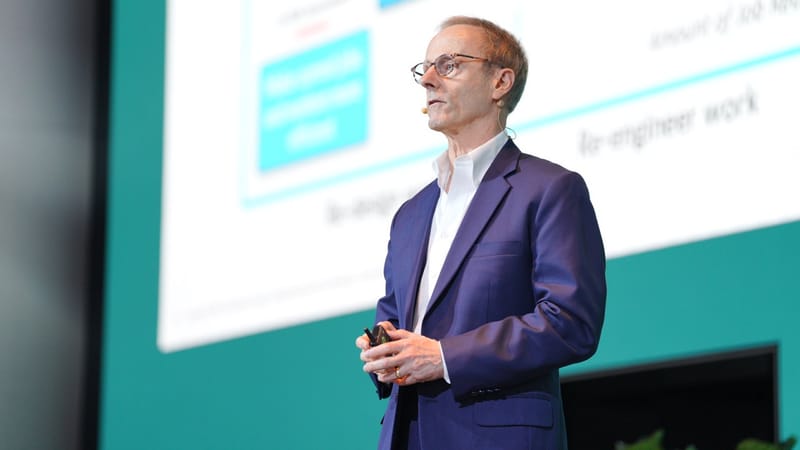
AI is forcing us to become superworkers and supermanagers in superworker organisations. But how are we going to make it in this paradigm? Famous analyst Josh Bersin offers some pointers.
"The rise of the superworker." That's what global HR analyst Josh Bersin calls the AI-driven new world of work. It is, he says, a world where companies have decided that they are going to spend all their money on AI and little to none on people; a world where, paradoxically, only five percent of companies say they are getting a positive return on their investments in AI.
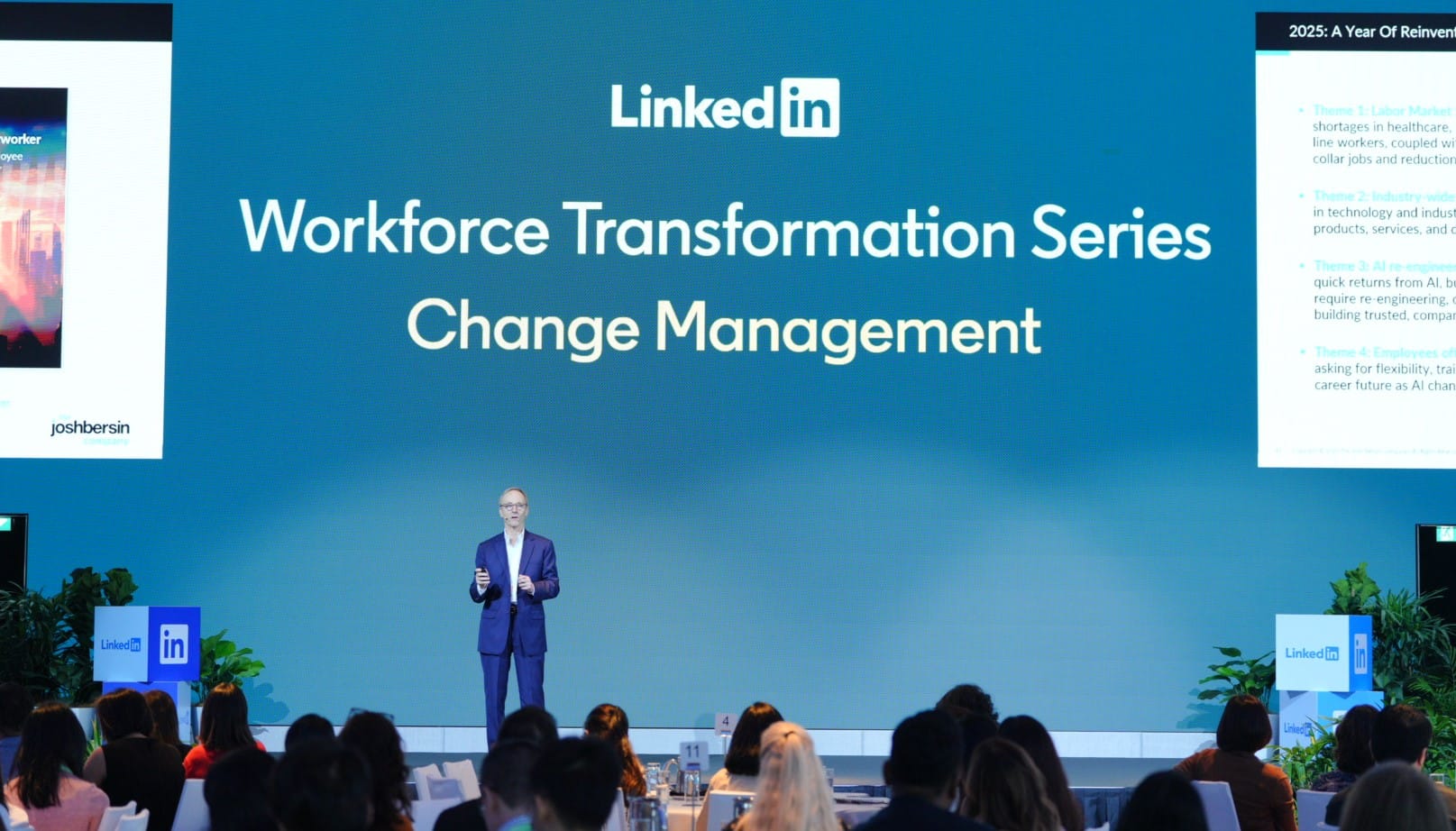
"There's a lot of momentum, and pressure on us to make this all work," Bersin said, speaking at a change management workshop hosted by LinkedIn last week. "We're sitting on a situation that you could call a target rich environment, and where do we start? Where do we focus? How do we figure out where the most impact is going to be for our business, not just for ourselves as individuals, and how do we bring people along on this journey that's going at a rate of speed that most of us are really not comfortable with at the moment?"
Discomfort might be an understatement; Gallup's regular employee engagement survey shows that employee engagement is lower now than it was during the pandemic. That is because people are nervous about the impact of AI, Bersin said; and it implies very strongly that HR has a lot of work to do to close the gap between organisational intentions and employee concerns.
"A lot of our role in HR transformation and AI transformation and the adoption of AI is bringing people along and getting them to do and be the super workers that we know they can become," he said.
"The human capital in your company is perhaps the most important capital of all, because human beings get smarter and learn and grow and become more productive over time. Almost every other technology or tech or asset that we've ever purchased depreciates over time. Human beings appreciate over time."
What you need to know about the superworker world
Firstly, companies will no longer grow by hiring. They will grow through productivity initiatives and new forms of agentic automation.
Secondly, every company will implement AI in a different way; every industry will implement AI in a different way; every individual will implement AI in a different way specific to their own needs. There is no such thing as a cookie cutter, copy and paste implementation of AI, Bersin said.
Thirdly, one of the keys to taking advantage of the superworker era is the ability to move, reskill, redeploy, and reorganise the company, moving people around from role to role as needed.
And fourthly - and Bersin raised this as a warning to all HR practitioners - the existing job architectures of most companies will need to be completely re-engineered, from the payroll and L&D systems to the compensation and reward systems to the job titles and competencies. And then, when AI technology advances enough to take up another sufficiently large segment of work, it will all have to be done again.
What do we do about all this?
Bersin presented four paths forward, based on the four major drivers of AI transformation that he has observed:
1. Find productivity projects that increase the amount of output or impact per employee.
2. Leverage AI to streamline growth, rather than hiring to meet growth needs.
3. Focus on customer service and customer experience.
4. Focus on gathering, analysing, and acting on workforce data.
And finally, he said, HR practitioners at all levels need to reinvent themselves.
"The number one factor in a high performing company is the capability of the HR team. You are the super workers of your company, and your ability to take advantage of this enormous opportunity over the next decade is going to be instrumental in your company's success and your success as an HR professional."
Author
Loading...