








Strategic HR
Leading Without Walls: How hybrid work is redefining leadership development in the digital age





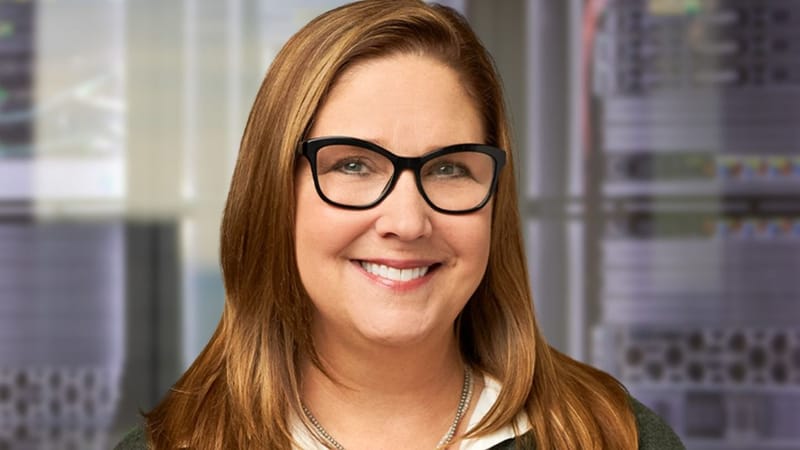
Hybrid and remote models are now embedded in how organisations operate, collaborate, and grow talent. This is reshaping what effective leadership looks like and how it must be developed.
By: Kristin Supancich
As organisations lean into more flexible and hybrid ways of working, leadership development has to keep pace with new expectations of flexibility, performance and trust. Think about it as creating enough flexibility to attract and retain the strongest talent while helping employees find balance in their lives, so we consistently get the best version of them at work.
Leadership development has always reflected the structure of work itself. As work has become more distributed, digital, and outcome-driven, the expectations placed on leaders have shifted accordingly. Hybrid and remote models are now embedded in how organisations operate, collaborate, and grow talent. This is reshaping what effective leadership looks like and how it must be developed.
In hybrid environments, leadership is reinforced by influence, trust, and credibility. These are strengthened through clarity, consistency, and follow-through. Leaders are expected to create alignment across teams that may never share the same physical space, while still supporting performance, engagement, and professional growth. Just as importantly, they have to be very intentional about creating connections so that trust can form and collaboration can happen more naturally across locations and time zones.
Visibility has changed, accountability has not
One of the most significant changes in hybrid work is the nature of visibility. Leaders can no longer rely on informal observation or in-person cues to understand how teams are functioning. Visibility is now created through outcomes, communication, and the quality of interactions.
This shift becomes clear when leaders manage teams spread across locations and time zones. A manager running a global delivery team no longer learns how work is progressing by who stays late or who speaks up in meetings. Progress shows up in milestones met, risks surfaced early, and teams that know exactly what success looks like.
Accountability itself has not changed, but the way it shows up has. In hybrid environments, accountability is expressed less through physical presence and far more through results, outcomes and the way teams consistently deliver on their commitments. Developing leaders for this context requires moving beyond traditional models that emphasise supervision and control. Leadership development needs to focus on judgment, communication discipline, and the ability to lead through influence with accountability anchored in clear results and outcomes rather than authority. Trust is a learned leadership capability.
Hybrid work surfaces a truth that has always existed. Teams perform best when they are trusted. Trust, however, is not an abstract value. It is a capability that leaders must learn and practice deliberately.
Leaders operating in distributed environments build trust through reliability and fairness. Commitments are honoured. Decision-making is explained. Expectations are consistent across roles and locations. When leaders demonstrate this consistency, teams respond with higher ownership and engagement.
Trust is also strengthened through intentional active learning. If people cannot easily see what good leadership looks like in a physical office, we have to create opportunities for them to experience it, even over the phone or in virtual settings. By creating cross-functional teams that work together on real problems, people learn, make connections, and navigate work better so they can get to results faster, all while growing and learning.
This is often most visible with early-career leaders. A first-time manager who learns to lead without relying on constant oversight develops stronger coaching instincts and clearer communication habits. Over time, these leaders tend to scale more effectively because their authority is grounded in trust rather than control.
Leadership development must move closer to real work
Traditional leadership programs often focus on theoretical models or on isolated skill-building. Hybrid environments demand learning that is anchored in practical work.
In practice, this means leaders develop fastest when learning is integrated into how work is actually delivered day to day - into real projects, clear ownership for outcomes, feedback cycles and real accountability for results, rather than sitting apart from it in one-off workshops.
It also requires a more intentional approach to active learning. If people cannot easily see what good leadership looks like in a physical office, we must create opportunities for them to experience it in other ways. That can mean:
- Creating cross-functional teams that work together on real business problems
- Bringing people into virtual forums where they can observe strong facilitation and decision-making
- Using live projects as a backdrop for feedback, reflection and coaching
In these environments, people learn, make connections, and navigate work better so they can achieve results faster, all while growing their leadership capability.
Hybrid work expands access to leadership potential
Hybrid models have broadened access to leadership opportunities by reducing dependency on location. Talent that might previously have been overlooked due to geography can now step into leadership roles based on capability and performance.
Leaders who succeed in this environment learn to build inclusive teams that draw on diverse perspectives. They become comfortable leading people with different working styles, cultural contexts, and professional backgrounds. This exposure strengthens decision-making and builds organisational resilience.
For organisations that tap into global talent pools, this inclusive, distributed leadership model becomes a competitive advantage. It also makes structured talent reviews and similar processes even more important, so that the true potential of employees can be seen, discussed and deliberately leveraged, rather than relying only on who is most visible in a particular location.
The leadership imperative ahead
Hybrid work has altered the conditions under which leadership is formed, tested, and sustained. What has not changed is the impact strong leaders have on organisational performance and culture. Organisations that continue to equate leadership potential primarily with proximity, tenure or informal visibility risk overlooking the people who are actually moving work forward.
Leadership capability now shows up in decision quality, communication discipline, and the ability to create momentum across distributed teams. The imperative for organisations is immediate.
Leadership development needs to be anchored in the realities of day-to-day work - how teams actually deliver for customers and for each other - reinforced through clear accountability and supported by trust-based operating models.
Leaders who are developed under these conditions build teams that execute with clarity and resilience, compounding advantages that shape organisational performance well beyond individual roles. Just as importantly, they develop future talent by making time and showing they are committed to the next generation of leaders, wherever those leaders may be.
(The author of this article is the Chief People Officer at Ahead. Views expressed are their own.)
Topics
Loading...