








Strategic HR
Lessons of resilience: How Philippine BPOs responded to Typhoon Kalamaegi's aftermath





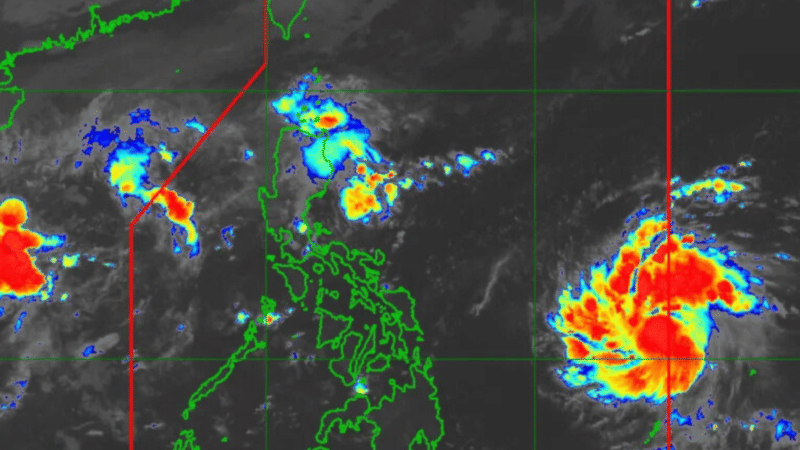
While more than 20 outsourcing firms in the Philippines face investigation, other human resource leaders showed what true and impactful business continuity looks like in times of disasters.
Typhoon Kalmaegi (known locally as "Tino") wasn't just another storm. It slammed into the Philippines as a devastating typhoon, making landfall in the Philippines’ Visayas islands with maximum sustained winds of 183 kph and gusts up to 205 kph.
The result was catastrophic. According to the Philippines’ disaster officials, the typhoon left over 232 people dead, 112 missing, and some 500 more injured. It affected over 4.1 million people and damaged nearly 135,000 homes, with 20,510 completely destroyed, primarily in the islands of Cebu and Negros.
But the storm's true test went beyond infrastructure and into the four corners of the office. Some companies took a reactive approach and now face legal issues, while others followed a people-first strategy.
This difference is called the resilience divide. Some leaders see employee support as just a cost during a crisis, while others know that protecting their people is the main part of any crisis plan.
A tale of two corporate responses
The immediate aftermath of the typhoon was dominated by alarming reports from the BPO sector. The BPO Industry Employees Network (BIEN) filed formal complaints against more than 21 BPO firms, alleging they forced employees to report for work despite catastrophic conditions.
Reports say that employees who could not get to work because of floods and transport shutdowns were threatened with "Notices to Explain" (NTEs) or other penalties.
This business-as-usual approach led government labor leaders to order an immediate investigation into these firms for possible violations of labor laws, including rules on work suspension.
Also Read: Tips for preparing your people for emergencies
The BPO industry is a key part of the Philippine economy and now faces a turning point. The crisis shows the risk of choosing short-term operations over long-term employee safety and trust. This reactive approach is becoming more costly.
In stark contrast, resilient organizations understand that business continuity is impossible without people continuity. Their response shows a clear playbook for how Philippine companies are helping typhoon victims.
The BPO response to Typhoon Kalmaegi was not universally poor. As reported by Outsource Accelerator, one firm, Staff Outsourcing Solutions (SOS), directly refuted claims by BIEN. Its leadership stated that work was strictly voluntary and, more importantly, took immediate financial action.
The company cancelled its year-end celebration and redirected all funds, plus personal contributions from its CEO and CFO, directly to its employee relief fund. This is a clear example of prioritizing the workforce's financial stability.
A real workforce resilience strategy goes beyond just your own employees. Resilient leaders know that their staff's well-being is connected to how their community recovers.
For example, the Lucio Tan Group (LTG) organized a large response. Philippine Airlines (PAL) helped deliver relief goods, and Asia Brewery donated thousands of containers of drinking water to Cebu and other provinces.
What HR leaders must learn: An actionable 5-point plan
The resilience divide teaches important lessons. HR leaders, not just in the Philippines, can build a strong disaster response plan by setting up these five systems before the next crisis happens.
1. Integrate "people continuity" into your BCP
Employee support in business continuity plans has often been overlooked. This needs to change. Your plan should not only cover data and servers but also include a detailed section on people continuity. It should answer: How do we account for all employees? How do we provide safe transport? What is our pay policy for those who cannot work?
2. Financial first aid is a vital lifeline
An employee whose home is destroyed is not focused on their next work ticket. Resilient companies have systems for immediate financial aid. This includes a clear policy for a Calamity loan for employees in the Philippines (beyond just guiding them to government agencies), salary advances, and direct grants from a pre-funded employee relief fund.
3. Activate your EAP immediately
The mental impact of a disaster can last much longer than the physical damage. A strong response means quickly activating your Employee Assistance Program (EAP) and letting employees know that counseling is available and confidential. This supports long-term mental health and productivity.
4. Make your leave policy empathetic (and legal)
Threatening employees with an NTE for failing to report during a typhoon is not just a culture-killer; it's a legal liability under most labor and humanitarian laws. Your disaster plan must include clear-cut policies for "calamity leave" or administrative leave, ensuring no employee is ever forced to choose between their safety and their paycheck.
5. Communicate proactively
In a crisis, silence from leadership is deafening. Employees must hear from their leaders immediately. A resilient plan includes a multi-channel communication tree (SMS, social media groups, email) to account for safety, provide updates on aid, and clearly state that the number one priority is safety.
Also Read: Noriko Takasaki on workplace resilience in crisis
Your emergency response is your retention strategy
One key lesson from the Typhoon Kalmaegi crisis is that disaster response is now part of your retention strategy, not just an HR task. Companies under DOLE investigation will see their employer brand damaged and will likely lose staff.
Researchers call a natural disaster a "shock", a major event that makes people rethink their jobs, lives, and loyalty. If an employee's life is at risk and the employer responds with a "notice to explain," it does more than cause dissatisfaction. It can break trust for good.
Companies under DOLE investigation will pay a much higher price than just fines. They risk losing their best and most experienced employees, who can easily find jobs elsewhere.
Replacing a mid-level employee can cost 50% to 150% of their yearly salary, which is much more than investing in a good relief program. Even employees who stay may become disengaged if they feel unsupported, leading to lower productivity and morale.
In contrast, resilient companies have made a strong investment in their employer brand. By showing their values in action, they have gained employee loyalty that perks alone cannot achieve.
Not every place will face a typhoon, but the lessons from the Philippines apply to any crisis, such as earthquakes, wildfires, floods, or health emergencies. No company is completely safe from disasters.
The resilience divide can show up after any major crisis. Global leaders should learn from these examples and add them to their own crisis plans before they are needed.
Author
Loading...