








Strategic HR
People-first finance: Lessons from Malaysia's central bank



|
Updated on


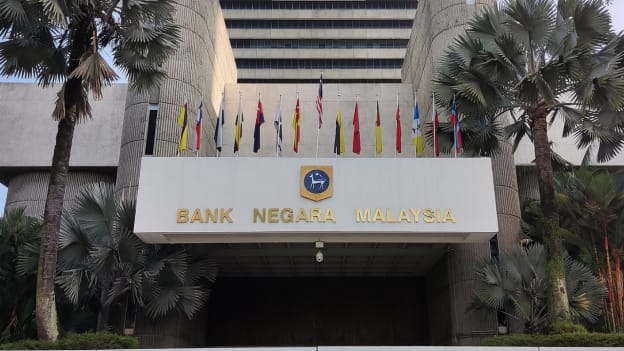
Sometimes it takes the biggest, oldest institution to set the trend. Here's how Bank Negara Malaysia is redefining the future of work in the public sector.
Bank Negara Malaysia (BNM) is a good example of how public institutions can adapt to the demands of the workforce. With an emphasis on diversity, inclusion, flexibility, and lifelong learning, BNM has designed a progressive personnel policy that seeks to develop internal capabilities and to prepare the institution for resilience.
At the heart of BNM’s strategy is a commitment to aligning culture, capacity, and strategic focus. This means embedding inclusive talent management, implementing forward-looking work policies, and equipping staff with the skills needed for the new demands of the job context.
A model aligned with national workforce trends
BNM’s approach is not happening in isolation. A 2025 Randstad report indicated that 59% of Malaysian employees have left jobs due to toxic workplace cultures—underscoring the importance of institutional values like respect and inclusion. At the same time, a 2024 EY survey found that 90% of workers value opportunities for skill development, though many feel they are not receiving enough.
Flexible work has also become a non-negotiable since amendments to the Employment Act in 2023. A recent Hays survey revealed that 74% of professionals prefer hybrid work, with 40% stating they would consider resigning if forced to return to the office full-time.
Inclusion and meritocracy seem to be central to BNM’s people philosophy. Recruitment and promotion are governed by transparent, gender-neutral mechanisms that aim to eliminate biases tied to gender or personal background.
This strategic clarity is best illustrated in the numbers. In 2023, women represented 55% of all promotions to middle management, and they currently hold 48% of department head roles. Perhaps most striking is the representation of women in the bank’s core policy functions—monetary policy and financial stability—where they hold 62% of leadership roles.
These results are no coincidence. Assistant Governor Suhaimi Ali has credited the bank’s leadership with setting a "clear tone from the top," ensuring that inclusion is embedded into the organisation’s operations. This top-down approach is supported by institutional structures such as the Ethics and Integrity Office and BNM’s Cultural Beliefs Journey—both of which aim to formalise and sustain DEI (Diversity, Equity, and Inclusion) values across leadership transitions and generational changes.
BNM employees have access to hybrid working, flexible schedules, and even sabbatical leave, which can be taken without providing a specific reason. This level of trust-based autonomy helps retain talent from a variety of life stages and personal circumstances.
This strategy is particularly timely. Burnout has become a serious challenge in Malaysia, with national surveys showing that the burnout rate increased from 58% in 2022 to 67% in 2024. To counteract this, BNM has introduced an integrated well-being strategy that includes mindfulness programmes, confidential counselling services, and a robust anti-harassment framework. By taking a preventative and holistic approach to employee mental health, the bank aims to support long-term engagement and performance.
Importantly, Malaysian workers increasingly demand such support. A recent Hays report revealed that 74% of professionals in the country now prefer hybrid work models, with 40% stating they would consider leaving if required to return to the office full-time.
A national approach to upskilling
Recognising the need to prepare for industry disruption, BNM launched the Future Skills Framework (FSF) in 2024, developed in collaboration with AICB, IBFIM, and MII. This initiative defines 157 critical skills and maps them to 159 evolving job roles, backed by nearly 1,000 curated development programmes.
The framework distinguishes between “Power” skills—like leadership, communication, and critical thinking—and “Prime” technical skills, including digital finance, sustainable banking, and Shariah-compliant finance. According to bank leaders, this approach reflects a deep understanding that the future of work will demand both interpersonal abilities and technical knowledge. The FSF is directly tied to the Financial Sector Blueprint 2022–2026, positioning it not just as an internal HR tool, but as a national workforce planning instrument.
This focus on upskilling also aligns with national concerns. A 2024 EY survey found that while 90% of Malaysian workers value opportunities for skills development, many feel their current employers fall short in this area. In that regard, BNM stands out for addressing what others often overlook—clear pathways for future growth.
Investing in early-career talent
BNM also works developing future leaders from the ground up. The Kijang Graduate Programme (KGP) is a structured 18-month rotational programme for early-career professionals. It gives graduates hands-on exposure across multiple departments, including those focused on digital innovation and regulatory oversight. With a strong mentorship component, the KGP is designed to nurture well-rounded professionals equipped to take on strategic roles within the institution.
While BNM’s people-centred policies have received positive feedback, the institution is also open about areas needing improvement. Employees have highlighted challenges such as a flat organisational structure that may limit upward mobility, the presence of legacy systems, and occasional unpredictability in workload distribution. In response, BNM is rolling out internal reforms aimed at streamlining decision-making and investing in digital transformation.
Photo: Wee Hong, Wikimedia Commons
.jpg)
Author
Loading...