








Talent Management
Inside Philippines: How Optum is fostering innovation and creativity






How does a 20,000-person service centre become an innovation hub? Here's an inside look at the four-part system Optum used to engineer creativity across its 20,000-strong workforce.
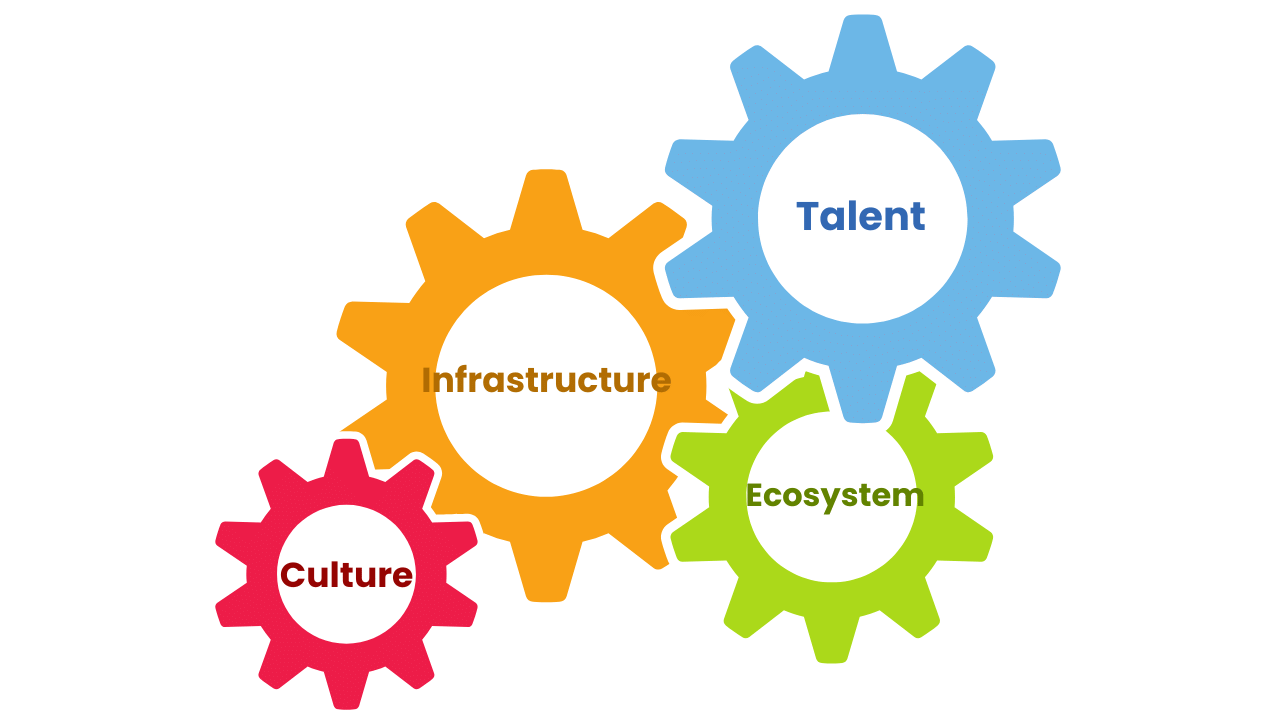
As Philippine Global Capability Centres (GCCs) race to move beyond cost savings and become innovation hubs, one company offers a potential blueprint. Optum Philippines has engineered its 20,000-strong workforce into a creative engine using a strategy that functions like a self-reinforcing flywheel.
The company's recent recognition as one of the Philippines' “Best Employers of 2025” is a sign of its success. But the real story is the replicable system it built to cultivate the high-value talent the entire industry needs.
The flywheel's initial energy comes from a people-first culture, codified in the Employee Value Proposition (EVP): “Caring, Connecting, Growing Together.” Focusing on holistic well-being becomes a calculated business strategy in an industry historically marked by high attrition.
Optum's approach goes beyond standard benefits. By providing dedicated mental health resources and extending its Employee Assistance Program to families, the company directly mitigates common sources of employee stress. The strategic goal is to reduce turnover costs and foster the psychological safety required for staff to move beyond rote tasks and engage in creative problem-solving.
A network of Employee Resource Groups (ERGs) further reinforces the culture by ensuring diverse perspectives are integrated into the company fabric.
An internal survey finding that 93.1% of employees would recommend Optum suggests the strategy is effective. In a market where tangible benefits are easily copied, a deeply embedded culture becomes a significant and difficult-to-replicate competitive advantage.
De-risking creativity with infrastructure
A supportive culture provides potential, but it requires structure to yield results. Optum has invested in physical and programmatic infrastructure designed to translate creative energy into business value.
The Innovation Garage in its Makati office represents a deliberate attempt to formalise a notoriously unpredictable process. It's a sanctioned space for experimentation, separate from the pressures of daily operations. Optum mitigates the risk of such a hub becoming "innovation theatre" by linking the space to a structured program.
The iNNOV8tors Program grounds the creative work in measurable outcomes by recognising employees who complete complex efficiency projects, often requiring Six Sigma Green Belt certifications. This dual approach of providing both a freewheeling space for ideation and a disciplined framework for execution creates a clear pathway from concept to impact.
Building talent as a strategic asset
Optum's talent development strategy appears tailored to solve specific market challenges and future-proof its workforce against technological shifts like AI.
The Optum Health Education Global (OHEG) program, which offers free, accredited courses to Filipino nurses, is particularly insightful. The program is a direct intervention in the national talent supply chain to address a well-documented skills shortage in the Philippines. Rather than simply competing for existing talent, Optum is actively expanding the qualified talent pool.
Broad-based upskilling through platforms like LinkedIn Learning and a structured Leader Development Roadmap complements this long-term strategy. The roadmap focuses on equipping managers to coach innovative teams, acknowledging that grassroots creativity requires top-down support to be sustained.
Shaping the external talent ecosystem
The company's strategy extends beyond its internal operations to actively shape the external talent market.Initiatives like the Optum Stratethon, an annual case competition for students, function as a gamified, outsourced recruitment and R&D process.
By posing real business challenges, Optum gains access to a wide funnel of pre-vetted talent and fresh thinking at a fraction of the cost of traditional methods. The consistent success of teams from local institutions like FEU Institute of Technology strengthens the company's employer brand in crucial academic circles.
Deeper academic partnerships, such as the collaboration with Angeles University Foundation to integrate industry-relevant training into its nursing curriculum, represent an even more profound strategic move. By helping to shape curriculum, Optum reduces the gap between academic training and industry needs, creating a more sustainable and aligned talent pipeline.
Is the flywheel replicable?
Integrating the four elements of culture, infrastructure, talent, and ecosystem creates a powerful cycle. A supportive culture encourages experimentation within the provided infrastructure. Success with these innovation programs makes Optum a top destination for talent, which in turn strengthens the culture. The model has clearly fuelled the company's growth and justified significant investment, including a P800 million injection announced in 2023.
The Optum model raises a key question for the industry: is this flywheel replicable? The sheer scale of a UnitedHealth Group subsidiary provides resources that smaller players cannot match. However, the underlying principles are universal.
The strategic integration of culture, infrastructure, talent development, and ecosystem engagement offers a compelling blueprint for any organisation aiming to transition from a service provider to a strategic partner.
Topics
Author
Loading...