








Training Development
The people advantage: 5 essential soft skills for the AI-powered workplace





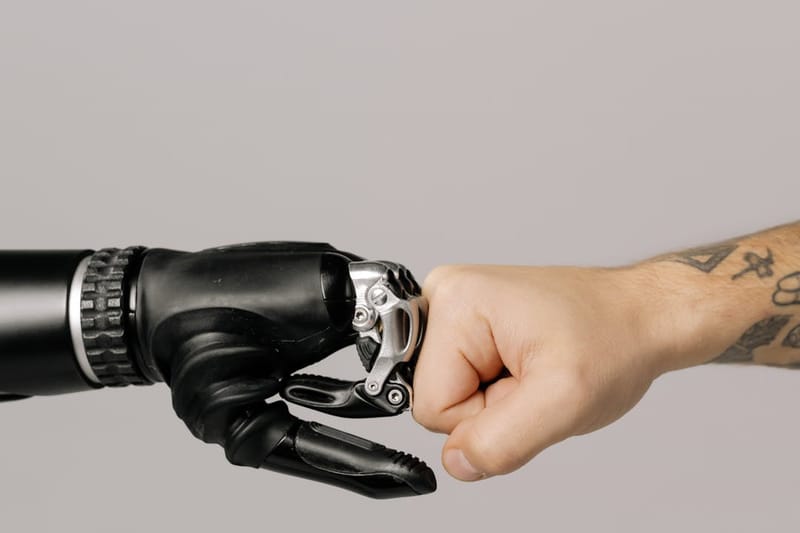
In an AI-driven world, soft skills like communication, adaptability, and emotional intelligence are more valuable than ever.
A mainstay in corporate training programs, soft skills have always been a cornerstone of holistic professional development. However, as artificial intelligence continues to redefine the modern workplace, they have also gained new importance in an AI-driven world.
As offices race to equip their teams with the technical skills needed to leverage AI, developing soft skills is equally important. According to a report by Harvard Business School, soft skills are still among the most valuable abilities across more than 1,000 occupations, outranking technical skills like programming. Organisations are also starting to take note, with a British Council study revealing that over 80% of companies offer their employees technical and soft skills training.
In this guide, we will explore five essential skills employees can use to stay relevant in an AI-driven workplace.
1. Adaptability
With AI and other technologies constantly reshaping industries, employees must be agile to keep pace. This is more than just being open to change; it's also about actively learning and utilizing new technologies, seeking new knowledge, and using feedback to drive their development.
Organisations can also play their part by weaving coaching, mentoring, and microlearning into daily workflows to foster a culture of continuous learning. AI chatbots like ChatGPT can also identify skill gaps and generate scenarios to strengthen an employee's ability to adapt to unexpected challenges in real time.
2. Communication
While AI tools can greatly enhance your ability to communicate, their effectiveness is limited by the quality of input they receive. Integrating skills related to AI collaboration and communication, such as learning to craft effective prompts or instructions, into training programs can help ensure AI tools produce output that is relevant and aligned with your goals.
On the other hand, it's just as important to teach team members how to discern and evaluate AI-generated content. Teams should also be encouraged to translate complex AI insights into clear and easy-to-understand information for people who are less familiar with the technology.
3. Strategic thinking
Strategic thinking is another highly sought-after soft skill, particularly for those in leadership roles. Beyond enabling managers to make informed decisions amidst rapidly changing business landscapes, this skill also helps ensure that AI is used in a way that aligns with the organization's mission, vision, and ethical standards.
Daniel López, host of the AI Education Conversation podcast, recommends doing the 'Aim, Assess, and Anticipate' exercise with AI to sharpen your critical thinking. This method involves inputting the specific outcomes you want to achieve and the criteria you want to test them against. López says that processing these scenarios through AI could help identify weak points in your thought process and develop strategies in response to your findings.
4. Emotional intelligence
Although AI excels at processing data and automating tasks better than humans, it's not advanced enough to handle emotions and relationships. This is why developing emotional intelligence (EQ) is key to staying grounded, strengthening relationships with co-workers and stakeholders, and increasing user engagement and trust as you navigate advances through AI.
Many AI tools are available to help employees boost their emotional intelligence. Sentiment-tracking tools, for example, can offer insights into a person's emotional patterns, while AI-driven simulations and role-playing exercises can help improve empathy, negotiation, and conflict resolution.
5. Cultural intelligence
In addition to emotional intelligence, cultural intelligence — the ability to function in a culturally diverse environment — is also essential. While AI technology is designed to be very logical, cultural biases can still seep through in how it is developed or used.
Because of this, employees have to learn to critically evaluate AI-generated output. Whether it's reports or promotional content, they must be able to determine how cultural factors can influence the data and ensure the output is fair and inclusive. Adjusting interpretations and actions with cultural awareness also ensures that anything AI models generate is relevant and accurate for its intended audience.
As artificial intelligence continues to shape the modern workplace, the human element becomes more valuable than ever. While AI can handle complex calculations and automate tasks, our unique blend of soft skills will ultimately drive innovation, foster meaningful connections, and solve the nuanced problems of the future. By developing these essential soft skills, professionals can stay relevant and lead the way in creating a more collaborative, insightful, and resilient workforce.
Topics
Author
Loading...