








Wellness
Are companies doing enough to address employees’ mental health?





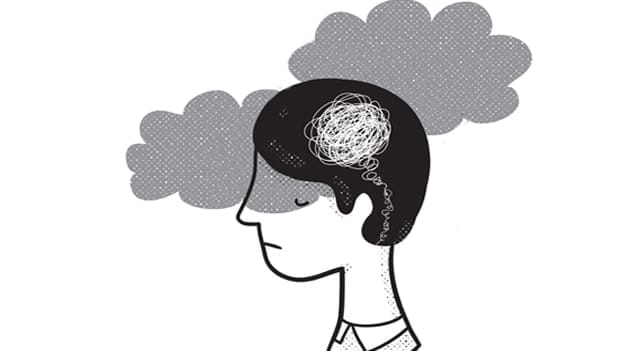
The figures reflected in the results of the second Singapore Mental Health Study 2018 were alarming with 1 in 7 people of Singapore reporting a mental disorder in their lifetime.
A peer-reviewed study conducted by Stanford in 2021 highlighted four outcomes of extended video chats, contributing to the widely recognised phenomenon known as 'Zoom fatigue.' In another study from the University of Oxford in the same year, a connection was established between a COVID-19 diagnosis and mental health issues.
Notably, two-thirds of individuals with a history of COVID-19 experienced the development or recurrence of mental health conditions within six months post-diagnosis. This prevalence was significantly higher compared to those who had dealt with other respiratory diseases and the flu. As we transition into 2023, understanding the impact of prolonged video communication and the mental health implications of COVID-19 remains crucial for informed discussions and potential interventions.
As we center our attention on wellness this month, it's noteworthy to highlight the advancements in Singapore. Towards the end of the previous year, the Ministry of Manpower, Singapore National Employers Federation, and National Trades Union Congress collaboratively released the Tripartite Advisory on Mental Well-Being at Workplaces (Advisory). This advisory outlined a set of recommendations for employers to ensure the mental health protection of their employees. The significance of mental health in the workplace has gradually ascended the corporate agenda, particularly as it intertwines with discussions on Environmental, Social, and Governance (ESG) issues within the boardroom. This ongoing emphasis underscores the continued relevance of mental well-being considerations in 2023.
Despite this, mental health continues to be a challenge for HR. In Singapore, employees may still be reluctant to disclose health issues for fear of experiencing discrimination, bullying or victimisation, and having managers who are ill-equipped to respond. Similarly, employers can face challenges in proactively promoting workplace wellness, as well as knowing how to support and manage employees who exhibit signs of mental ill-health or become too unwell to work.
Singapore is somewhat out of step with other APAC countries since it does not currently have any legislation expressly protecting workplace mental health. For example, Australia and (lately) South Korea have introduced legislation that specifically targets workplace bullying. Some countries also have direct remedies for employees who have been subjected to discrimination on the basis of a protected attribute, and where mental health claims often fall under the rubric of disability discrimination.
However, mental health protections received a shot in November 2020 with the publication of the Advisory which represents Singapore’s official guidance on how to safeguard workplace mental health. It contains practical guidance and recommendations on measures that employers can adopt, as well as details of support resources which employers and employees can access locally.
The Advisory is not legally binding per se. Employees do not have a direct remedy against their employer simply for failing to follow its recommendations. In order to bring a claim, the employee would need to bring another form of recognised legal claims such as stress-related personal injury, work injury compensation or wrongful dismissal. There have been concerns that it does not go far enough and that more must be done to protect workplace mental health in Singapore.
MORE FOR YOU...
That said, the recommendations set out in the Tripartite Advisory are wide-ranging and contain some very useful and practical guidance which are certainly helpful for businesses to try to implement. If an employer were to do so, they would be doing well in helping to both break the stigma surrounding mental health and protecting the business from liability.
In addition to the recommendations in the Tripartite Advisory, HR managers might also consider the following practical steps:
This story was originally published on November 1, 2021. The content has since been updated and rephrased for your current reading.
Author
Loading...