








AI & Emerging Tech
PwC pushes AI-first future as CEO warns employees to adapt or risk exit






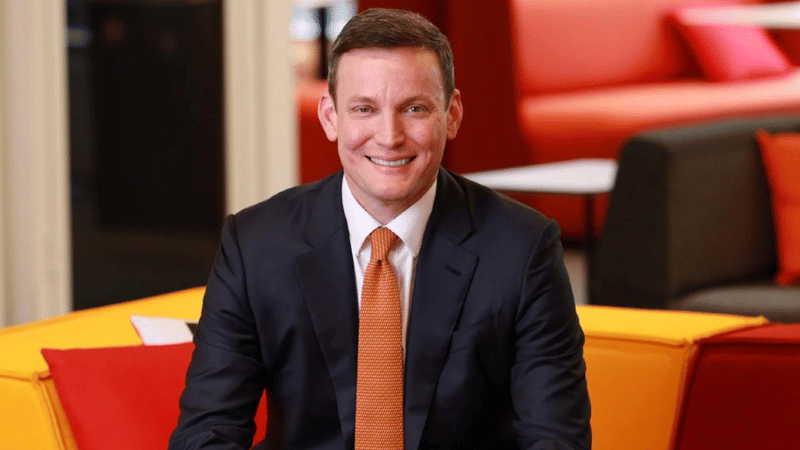
Griggs has been blunt about the implications. Senior staff who fail to become “AI-first,” he warned, could be replaced by those who do.
A stark message is rippling through PwC: embrace artificial intelligence or risk being left behind.
Paul Griggs, the firm’s US chief executive, has signalled a sweeping transformation of the Big Four consultancy, as it pivots toward an AI-first operating model that could fundamentally reshape how professional services are delivered—and who delivers them.
Appointed in 2024, Griggs has overseen a restructuring that aims to convert parts of PwC’s tax and consulting operations into AI-powered tools accessible directly by clients. These services, reportedly built around the firm’s “PwC One” platform, are designed to function with minimal, or in some cases no, human involvement, potentially through subscription-based models.
Embrace or get replaced
The shift marks a notable departure from the industry’s traditional reliance on human-led service delivery. For decades, firms like PwC have depended on large teams of junior professionals to handle routine analytical and administrative work. Now, those very tasks are increasingly being automated.
Griggs has been blunt about the implications. Senior staff who fail to become “AI-first,” he warned, could be replaced by those who do. Employees who believe they can opt out of using AI tools “are not going to be here that long,” according to reports.
Yet, even as automation accelerates, PwC’s leadership insists the human element remains indispensable.
“AI raises the floor. Humans raise the ceiling,” Griggs said in a recent company post, underscoring the firm’s view that while technology can enhance efficiency, judgement, context, and relationship-building remain uniquely human strengths.
Australia offers a glimpse of the future
Developments at PwC Australia provide an early indication of what this transformation might look like in practice.
The firm has reported measurable productivity gains tied to its AI investments, with output improving between 10% and 20%. Those efficiencies have contributed to a rise in average partner income, reaching $814,000 in 2025, even as overall profit dipped slightly to $608 million.
Chief executive Kevin Burrowes described the momentum as strong, noting that AI-driven productivity gains accelerated into early 2026. The firm’s evolving model, he suggested, will rely on “fewer people doing more,” as employees leverage AI tools to increase output.
But the transition has not come without cost, financial or human.
PwC Australia has undergone significant downsizing in recent years, with partner numbers falling by 35% and total staff dropping nearly 40% from 2023 levels. While part of this contraction followed the firm’s high-profile tax leaks scandal, it also reflects a broader shift toward leaner, tech-enabled operations.
At the same time, the firm is investing heavily in reskilling. Partners and managing directors are being enrolled in intensive AI training programmes, including an eight-week course developed with Kellogg, as PwC seeks to equip its workforce for a radically different operating environment.
“AI isn’t cheap,” Burrowes acknowledged, pointing to the dual burden of technology investment and workforce retraining.
A new model for professional services
PwC maintains that it will remain a “net acquirer of talent” globally, even as automation reduces the need for traditional entry-level roles. The firm envisions a future where AI handles routine tasks, while human professionals focus on higher-value advisory work.
Still, the transition raises fundamental questions about the future of work in professional services, particularly for early-career talent, long the backbone of the industry’s delivery model.
Author
Loading...