








Business
HSBC to phase out fixed-pay allowances from 2028 amid wider restructuring






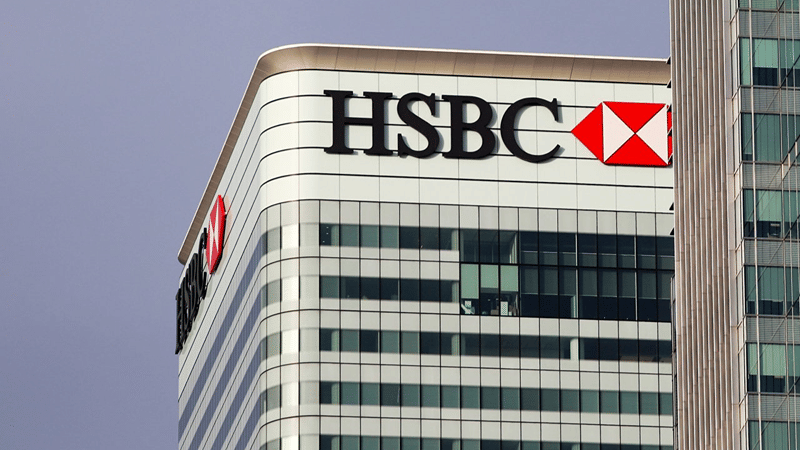
The planned changes to fixed-pay allowances follow a series of reported workforce and employee-benefit adjustments across HSBC's global operations.
HSBC will phase out fixed-pay allowances for employees from January 2028, as the global bank continues to reshape its compensation policies, streamline operations and expand its use of artificial intelligence (AI).
An internal memo seen by Reuters on October 13 said the change follows UK regulatory reforms that removed the cap limiting variable pay to twice an employee’s fixed remuneration. The previous 2:1 limit had restricted the proportion of total compensation that could be paid through bonuses and other performance-linked incentives.
Fixed-pay allowances are payments made in addition to base salaries, often to cover specified expenses such as commuting. HSBC said the changes would not reduce base salaries or alter its overall approach to total compensation.
However, affected employees could see a greater proportion of their remuneration linked to variable pay, including bonuses.
“As a global bank, adapting our approach in this way strengthens our ability to pay for performance, better differentiate, attract the best talent, and recognise those who deliver the best outcomes for our customers, clients and stakeholders,” an HSBC spokesperson said.
The compensation changes come as HSBC pursues a broader restructuring under chief executive Georges Elhedery, who took over in September 2024. The bank has been merging some businesses and reorganising its operations into four main units as it seeks to simplify its structure and improve efficiency.
HSBC's restructuring extends to jobs and employee benefits
The planned changes to fixed-pay allowances follow a series of reported workforce and employee-benefit adjustments across HSBC's global operations.
On October 8, the Financial Times reported that HSBC was planning substantial reductions in management, specialist and financial adviser positions within its UK wealth management business. The reported plans included cuts of around 50% to management and specialist roles and as much as 70% to financial adviser positions.
The report linked the proposed reductions to the bank's broader adoption of AI and its efforts to simplify operations. Employees affected by the changes were reportedly expected to leave by the end of October, following consultation processes.
HSBC UK said it continued to evolve its services through more digitally enabled products and customer journeys to meet changing client expectations, according to a statement quoted by Reuters.
The reported job reductions follow Elhedery's comments at the bank's investor day in May, when he urged employees to embrace AI-driven transformation. Reuters reported that he acknowledged generative AI would eliminate some jobs while creating new opportunities elsewhere.
Employee benefits under review in Hong Kong
HSBC is also revising employee benefits in Hong Kong. On September 25, reports said the bank was withdrawing a private-club membership subsidy for some mid-level bankers, as it reviewed benefits across HSBC Hong Kong and Hang Seng Bank.
Under the reported changes, eligible bankers will lose a subsidy covering 50% of the cost of joining a members' club after December 31. The benefit was worth up to HK200,000(US25,500).
New employees joining HSBC Hong Kong and Hang Seng Bank will also receive different life assurance coverage from existing staff from 2027, according to an internal memo cited by The Business Times.
The changes point to a broader review of employee compensation and benefits alongside the bank's operational restructuring.
HSBC considers simplifying Singapore operations
In Singapore, HSBC was reported on August 27 to be considering bringing its major banking businesses under a single entity as part of efforts to reduce costs and simplify its corporate structure.
The proposed restructuring could consolidate wholesale, retail and private banking operations that currently operate through separately incorporated entities and branches.
The review forms part of the wider restructuring programme launched under Elhedery, which has included the closure, merger and sale of businesses as the bank seeks to streamline its global operations.
Taken together, the reported changes span pay structures, employee benefits, workforce composition and corporate organisation. While the bank has said its latest fixed-pay changes will not reduce base salaries, the wider measures reflect its efforts to reshape how it allocates resources and rewards employees while adapting to technology-led changes in banking.
Topics
Author
Loading...