








Compensation Benefits
Malaysia rolls out post-maternity allowance to retain women workers, businesses warn of ripple effects






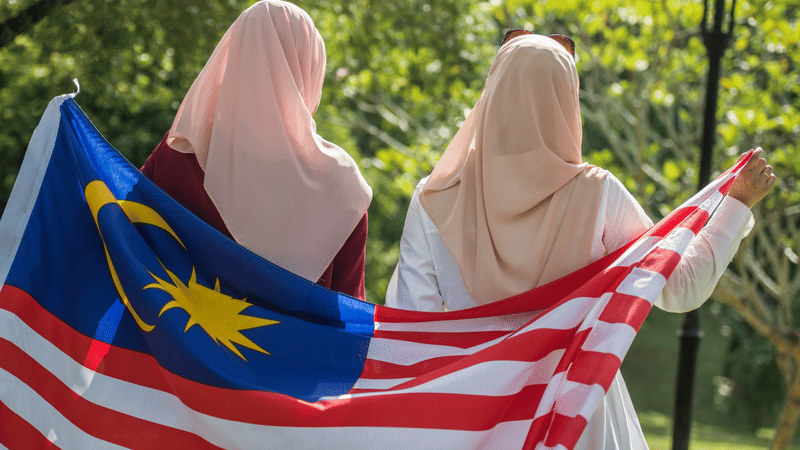
Malaysia mandates 98 days of maternity leave under the Employment Act 1955, with the new allowance extending financial support beyond this period for mothers needing additional time.
The Malaysian government has announced a new Post-Maternity Leave Allowance aimed at supporting working mothers and reversing a dip in female labour force participation, even as businesses warn of added operational strain.
Prime Minister Anwar Ibrahim unveiled the scheme during the 2026 National Workers’ Day celebrations, positioning it as part of a broader push to keep women engaged in the workforce after childbirth.
“This allowance is financial assistance for additional leave of up to 30 days per month taken after the end of the 98-day maternity leave period,” the prime minister said.
Under the proposal, eligible employees will receive a one-off payment set at 80% of their assumed monthly salary.
The benefit will be introduced through amendments to the Employment Insurance System Act 2017 and is expected to cover more than 132,000 female workers nationwide.
The move follows government findings that workforce participation among women aged 25 to 39 has declined slightly, with maternity responsibilities identified as a key factor.
“The rationale is that we do not want mothers to feel forced to quit and leave the field of work after that, as has happened so far,” Anwar said.
Eligibility criteria include having worked at least 90 days in the nine months prior to childbirth, at least one day in the four months before delivery, and having fewer than five surviving children.
Malaysia currently mandates 98 days of maternity leave under the Employment Act 1955, and the new allowance is designed to extend financial support beyond this period for mothers who require additional recovery or caregiving time.
While the policy has been framed as a progressive step, industry groups have expressed reservations about its downstream impact on employers.
The Associated Chinese Chambers of Commerce and Industry of Malaysia said that despite the allowance being government-funded, businesses would still shoulder indirect costs.
“While this is a positive step, the Chamber stresses that it does not translate into zero cost for businesses,” the group said in a statement.
“Employers will continue to bear indirect and operational costs, including workforce replacement, training, workflow adjustments and productivity management. These challenges are particularly significant for small and medium enterprises (SMEs), which operate with limited manpower flexibility.”
The chamber also warned of potential unintended consequences, including hiring biases.
“Higher employment costs and workforce uncertainties may influence hiring and promotion decisions, particularly involving women of childbearing age, potentially giving rise to indirect workplace discrimination,” it said.
Calling for a more calibrated rollout, the ACCCIM urged the government to consult businesses and introduce support mechanisms such as tax relief, incentives for temporary staffing, and stronger childcare and flexible work ecosystems.
“These should include cost-sharing initiatives such as incentives for temporary workforce arrangements, tax relief measures, and the strengthening of enabling ecosystems, including accessible childcare services and flexible work frameworks, as well as the reinforcement of legal safeguards to prevent employment discrimination,” the chamber said.
It also pushed for a transition period that balances social objectives with business sustainability, particularly as companies grapple with rising cost pressures linked to global energy price volatility.
As Malaysia moves forward with the policy, the debate underscores a familiar tension, how to design inclusive workforce measures without placing disproportionate strain on employers, especially smaller businesses.
Author
Loading...