








Compensation Benefits
More South Korean men are taking parental leave, survey finds





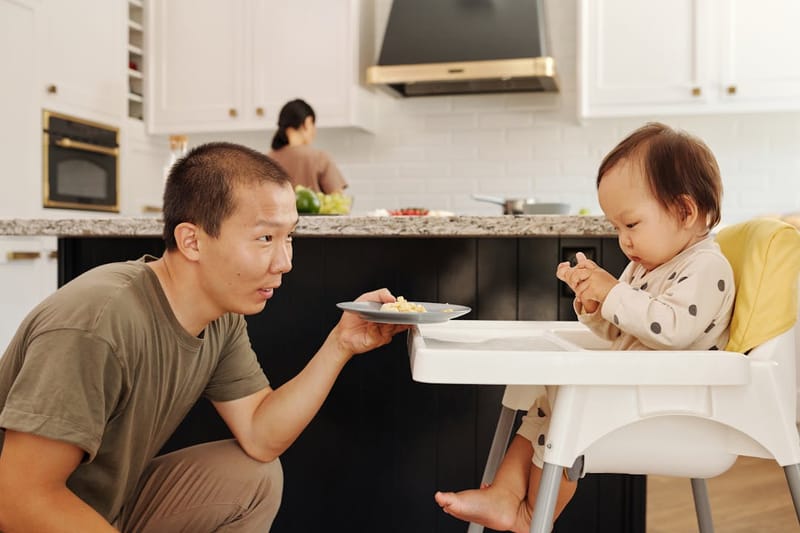
A new government report has revealed that nearly a third of workers taking parental leave were men.
For the first time in South Korea’s history, the number of men receiving parental leave benefits exceeded 40,000 last year, accounting for more than 30% of the total recipients for that year, according to data published by South Korea’s Ministry of Gender Equality on Tuesday.
The report, titled ‘Looking at Men’s and Women’s Lives Through 2025 Statistics’, recorded 41,829 South Korean men receiving parental leave benefits in 2024, a 750% increase from 4,872 nearly ten years ago. The proportion of men receiving parental leave benefits during the same period also rose significantly from 5.6% to 31.6%.
In total, 132,535 South Korean workers received parental benefits, which was 5.1% higher compared to 126,008.
The report also highlighted that dual-income families now form a majority of South Korean households, with two working parents accounting for 58% of married households with children under 18 and 53.2% of those with children aged six and younger, reflecting the increasing financial pressures on child rearing and generational shifts in gender roles.
A key factor in this trend is the growing participation of South Korean women in the labour force. In 2024, the employment rate for women aged 15 to 64 reached 62.1%, an increase of 6.4 percentage points from 2015. Women aged 30 and above, who traditionally left the workforce to raise children, recorded an employment rate of 73.5%, nearly 14 points higher than a decade ago. The proportion of “career-interrupted” women also shrank to 15.9%, down from 21.7% in 2015.
Government officials noted the rise of dual-income families despite the country’s rapidly declining birth rate. Dual income rates were the highest among couples aged 30, 61.5%, followed by those in their 40s at 59.2%.
The Ministry of Gender Equality and Family said the statistics reflect South Korea’s shifting social dynamics that require more responsive government policies.
“We will continue to closely examine social changes in areas such as family structure, career interruption, work-life balance, and representation, and promote policies that bring meaningful improvements to people’s lives,” the ministry said.
Author
Loading...