








Compensation Benefits
Vietnam eyes 7.2% minimum wage hike in 2026





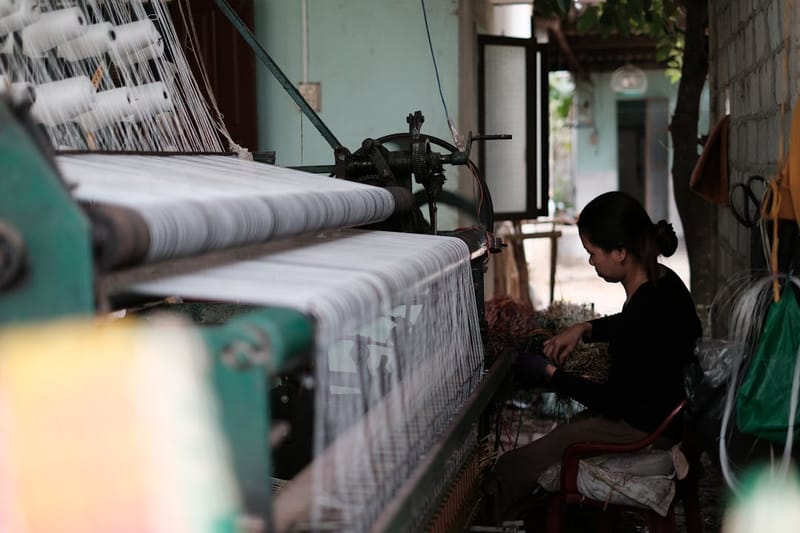
The Home Affairs ministry hopes the proposal will balance the interests of both workers and businesses and lead to higher insurance contributions.
Vietnam’s Ministry of Home Affairs has proposed a 7.2% increase in the monthly minimum wage, equivalent to VNĐ250,000-350,000 ($9.50-$11.40), under a draft decree. If approved, the new rates would range from VNĐ3.7 million ($140) to VNĐ5.31 million ($202), depending on the region, starting in 2026.
According to an impact assessment by the ministry, the proposed increase would lift the monthly minimum wage by 0.6% above the estimated minimum living standard through the end of 2026. The calculation also considers part of the projected 2026 Consumer Price Index (CPI) to ensure workers benefit from the adjustment beginning next year.
The proposal factors in broader economic and social conditions and projected business costs. Production costs are estimated to rise between 0.5% and 1.2%, with higher increases in labour-intensive sectors such as textiles and footwear.
The ministry said that the proposal aims to balance the interests of employees and employers. Since most companies in Vietnam already pay wages above the proposed minimum, the adjustment is expected to boost contributions to compulsory social insurance funds.
Vietnam first introduced an hourly minimum wage in 2022, converting the monthly minimum wage into an hourly equivalent based on standard working hours set in the Labour Code.
To align with the proposed monthly increase, the Home Affairs ministry also suggested raising hourly minimum wage rates ranging from VNĐ17,800 ($1) to VNĐ25,500 ($0.70), depending on the region. These hourly rates are baseline figures for negotiating part-time or casual work pay.
Because most businesses pay at or above these rates, government officials say these adjustments will unlikely affect hiring costs or disrupt existing employment contracts.
The government says the wage adjustments are intended to help workers improve their living standards and strengthen protections, especially for those in flexible or part-time work.
Author
Loading...