








Diversity Equity Inclusion
ILO chief calls for equal pay as women still earn 18 per cent less than men






The ILO has also stressed that achieving pay equity requires approaches that go beyond comparing salaries for identical jobs.
The International Labour Organization (ILO) has renewed its call for equal pay for work of equal value, highlighting that women around the world continue to earn 18 per cent less than men.
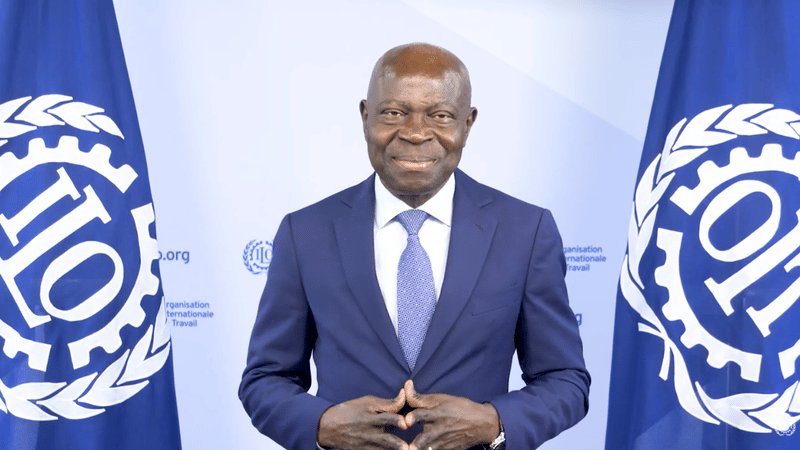
Marking International Equal Pay Day on 18 September, ILO Director-General Gilbert F. Houngbo said closing the gender pay gap requires governments, employers and workers to address the structural barriers that contribute to pay inequality.
“Work of equal value deserves equal pay,” Houngbo said, reiterating the ILO’s position that pay equity is a fundamental principle in the world of work.
The ILO said the gender pay gap reflects more than differences in pay between individual workers, pointing to the broader undervaluation of work performed by women and structural barriers affecting their participation and economic opportunities.
The organisation called for stronger laws and institutions to promote equal pay, alongside measures such as greater pay transparency and fairer wage structures.
It also highlighted social dialogue and collective bargaining as mechanisms through which employers, workers and governments can address the undervaluation of women’s work and give women a greater voice in decisions affecting their economic lives.
The ILO’s renewed focus comes after the International Labour Conference adopted a resolution on the ILO transformative agenda for gender equality in the world of work in June 2026. The resolution identifies equal remuneration for work of equal value as an important element of efforts to advance gender equality.
The ILO has also stressed that achieving pay equity requires approaches that go beyond comparing salaries for identical jobs.
Its recent work on pay equity highlights the importance of gender-neutral job evaluation, reliable data, effective legislation, enforcement mechanisms and social dialogue.
Houngbo said the changing nature of work should not weaken the principles underpinning gender equality. “Equal pay is a matter of rights, principle, dignity and social justice – for every worker, everywhere,” he said.
Author
Loading...