








Economy Policy
FIRB approves up to 90% WFH for ecozone firms amid national energy emergency






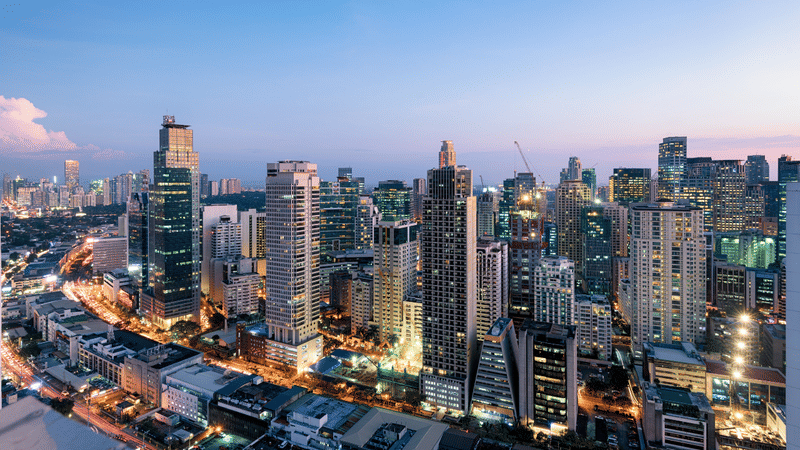
Registered businesses in Philippine ecozones may implement up to 90% WFH arrangements, while investment promotion agencies can set a minimum on-site threshold of 50% based on operational needs.
The Fiscal Incentives Review Board (FIRB) has approved the temporary implementation of work-from-home (WFH) arrangements for registered business enterprises (RBEs) operating in economic zones and freeport areas, as the country grapples with a national energy emergency.
The move aims to help businesses maintain operations while preserving their fiscal and non-fiscal incentives. It also underscores the government’s commitment to supporting investors and safeguarding jobs during a period of heightened uncertainty.
“We are extending full support to our investors as we navigate through this energy emergency, so they can remain competitive and keep their operations running smoothly,” said FIRB Chairperson Frederick D. Go.
“In line with our promise in the CREATE MORE Act, we are prepared to provide a responsive incentives regime that not only safeguards workers, but supports investors and their businesses.”
Policy anchored on CREATE MORE Act
The decision operationalises investor-responsive provisions under the Implementing Rules and Regulations of Republic Act No. 12066, also known as the Corporate Recovery and Tax Incentives for Enterprises to Maximize Opportunities for Reinvigorating the Economy (CREATE MORE) Act.
Rule 24, Section 3 of the law allows RBEs affected by exceptional circumstances to adopt temporary measures to support recovery.
In line with this, FIRB Resolution No. 005-2026, issued on April 10, 2026, authorises investment promotion agencies (IPAs) to permit up to 90% of an RBE’s workforce to work remotely.
However, IPAs may impose a lower threshold of not less than 50%, depending on the nature and operational requirements of each enterprise.
Response to national energy emergency
The policy follows the declaration of a national energy emergency by Ferdinand Marcos Jr. through Executive Order No. 110, signed on March 24, 2026, in response to global energy uncertainties linked to the ongoing Middle East conflict.
The temporary measure takes effect retroactively from March 24, 2026, and will remain in force for one year unless extended or lifted by the President.
To ensure accountability, RBEs must notify their respective IPAs, submit asset inventories and surety bonds, and provide monthly reports on equipment moved outside ecozones.
Companies that fail to comply with prescribed thresholds risk penalties, including paying regular income tax on excess remote work arrangements.
Despite the flexibility, firms are required to maintain export revenues and refrain from reducing their workforce.
“Through this temporary measure, we are striking the right balance between flexibility and accountability, ensuring that businesses can continue operating safely and efficiently while upholding fiscal discipline and protecting government revenues,” Go added.
Business community welcomes move
The American Chamber of Commerce of the Philippines (AmCham Philippines) welcomed the decision, citing its importance in sustaining investor confidence and operational continuity.
“The policy provides much-needed operational flexibility and helps sustain confidence among US and other foreign investors across a wide range of industries,” AmCham said in a statement.
The chamber noted that sectors such as information technology-business process management (IT-BPM), shared services, and other digitally enabled industries are particularly well-positioned to maximise remote work arrangements.
“Business needs and operating models vary significantly across sectors. Policies that enable flexibility, rather than impose one-size-fits-all mandates, are critical,” it added.
AmCham also called for policy clarity and consistency, including early guidance on the duration and transition phases of the arrangement, and reaffirmed its readiness to collaborate with the government to enhance the country’s energy resilience and investment climate.
With the new directive in place, the Philippines aims to strike a balance between economic stability, investor confidence, and workforce protection as it navigates the challenges posed by the energy crisis.
Topics
Author
Loading...