








Economy Policy
Indonesia plans new Manpower Law to address evolving workplace challenges






The proposed legislation comes as technological developments, automation, shifting global supply chains, the growth of the green economy and evolving international regulations reshape employment and workplace practices.
Indonesia is preparing a new Manpower Law aimed at strengthening worker protection and updating labour regulations to reflect changes in the world of work, with the government targeting completion of the bill by October 2026.
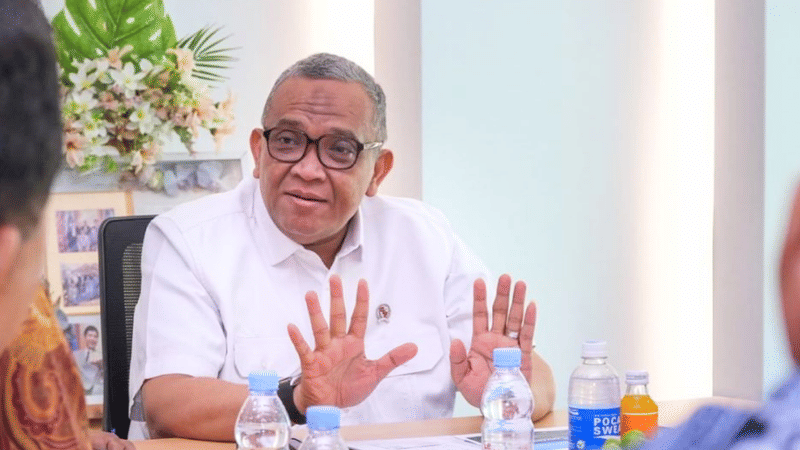
Deputy Minister of Manpower Afriansyah Noor said the legislation is intended to create a stronger legal framework for protecting workers’ rights and welfare across generations while responding to emerging challenges in the labour market.
“The establishment of this new Manpower Law is expected to serve as a robust legal architecture for the future in protecting workers’ rights across generations,” Afriansyah said in a statement issued in Jakarta.
The proposed legislation comes as technological developments, automation, shifting global supply chains, the growth of the green economy and evolving international regulations reshape employment and workplace practices.
Afriansyah said the government faces a tight timeline to complete the bill and called for contributions from stakeholders involved in the drafting process. The government is also providing trade unions and workers’ organisations with opportunities to submit their views and recommendations.
Their input, he said, would help ensure the legislation addresses workers’ needs while remaining aligned with developments in the business sector.
Several labour issues are being considered as part of the bill, including stronger protection and welfare for outsourced workers, greater certainty around decent wages, a fairer wage structure and equal guarantees of labour protection.
The deputy minister said Indonesia needs a more equitable legal framework capable of responding to global changes while providing robust protection for workers.
The drafting process is expected to involve the government, trade unions and workers’ organisations, the House of Representatives and the business community. Afriansyah said collaboration among the parties would be critical to balancing stronger worker protection with business sustainability.
He said dialogue should be used to develop solutions that reduce disparities among workers without undermining the sustainability of Indonesia’s business climate.
The proposed law would therefore seek to modernise Indonesia’s labour framework while addressing both longstanding worker concerns and new challenges emerging from technological and economic transformation.
Author
Loading...