








Economy Policy
Lee says S. Korea’s labour reforms pro-human rights, not anti-business
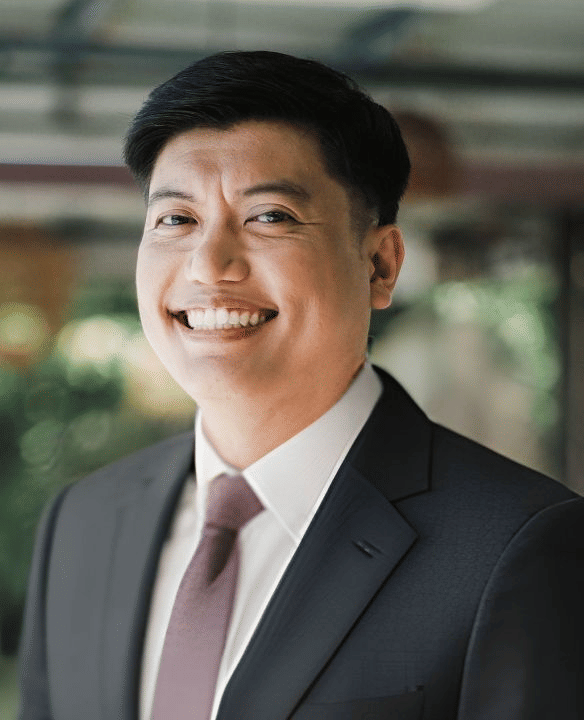





South Korea's president met with union leaders to ease tensions, emphasizing that the new labour bill is guided by human rights and not to harm businesses
For the first time in office, South Korean President Lee Jae Myung met with leaders of the country’s major labour unions on Thursday to ease tensions over the contentious ‘Yellow Envelope Act’, emphasising his administration is guided by human rights rather than a pro-labour or anti-business agenda.
Lee stressed that a country that upholds labour rights and one that is business-friendly “are not mutually exclusive, but can and must coexist,” adding that the new labour bill is not meant to harm businesses.
The Yellow Envelope Act, which was passed by the South Korean parliament in August, is highly controversial for limiting a company’s ability to sue striking workers for financial damages and expanding the liability of executives who refuse to enter into collective bargaining.
While its supporters argue the bill protects all types of workers from crippling lawsuits, business groups say it will impair their ability to manage labour disputes, destabilize industrial relations, and lead to costlier strikes.
During the meeting, Lee urged the heads of the Federation of Korean Trade Unions (FKTU) and Korean Confederation of Trade Unions (KCTU), two of South Korea’s largest labour unions, to engage in dialogue with the government to resolve misunderstandings and address the wide range of pending labour issues.
“Some claim that my recent remarks about workplace accidents and delayed wage payments mean I am biased toward labour, but I don’t see it that way,” the president said. “Issues like unpaid wages or industrial accidents are about life and livelihood and are not about being pro-business or pro-labour.”
Lee said he has frequently met with business leaders but had yet to have similar discussions with labour organizations. He also stressed that, while companies cannot exist without workers, unions must also recognize that “amending the labor law should not unfairly disadvantage employers.”
Since coming into power in June, Lee’s administration and his Democratic Party, which controls South Korea’s parliament, have pushed several progressive labour policies, including shorter working hours and harsher punishments for industrial accidents.
Topics
Author
Loading...