








Economy Policy
Malaysia backs flexible work push as part of wider labour reform drive, says it will protect wages and worker rights



 ||
||

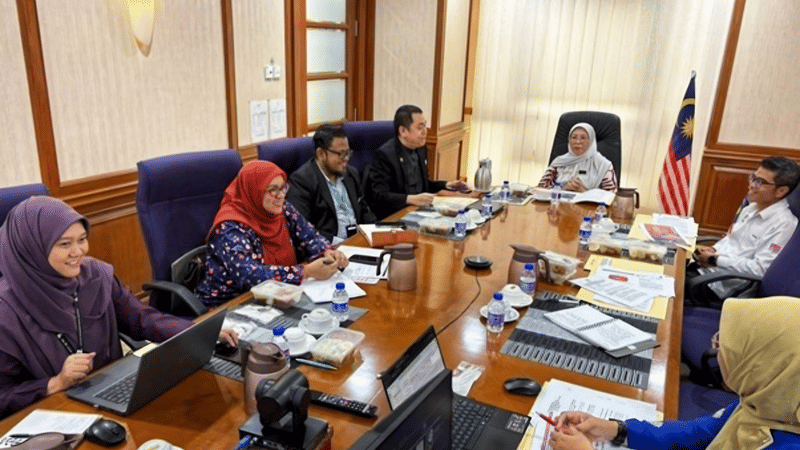
The HR Ministry also moved to address concerns among workers about potential cost-cutting measures disguised as workplace flexibility.
Malaysia’s Ministry of Human Resources (KESUMA) has thrown its weight behind Prime Minister Anwar Ibrahim’s call for wider adoption of flexible work arrangements (FWA), framing the move as a strategic response to economic pressures and a rapidly evolving labour market.
The ministry said flexible work models, including hybrid work, flexible hours and adaptive scheduling, are increasingly relevant as employers contend with global supply chain disruptions and structural changes in how work is organised.
“Flexible work arrangements can strengthen organisational efficiency while improving employee well-being,” KESUMA said, adding that such approaches are “aligned with the needs of an increasingly dynamic labour market that requires more adaptive and productivity-driven models.”
However, the ministry stressed that implementation must be structured and phased, and anchored in existing legal provisions under the Employment Act 1955, which gives employees the right to request flexible work arrangements.
“It must be implemented in an orderly, phased manner, guided by clear frameworks,” the ministry said, emphasising compliance with Sections 60P and 60Q of the Act, alongside similar provisions in Sabah and Sarawak labour laws.
Strong uptake since 2021
Citing data from TalentCorp, KESUMA said flexible work adoption has accelerated significantly in recent years. More than 5,340 organisations have implemented FWA since 2021, benefiting over 1.6 million workers.
The ministry highlighted tangible business gains, noting that “62% of employers reported increased productivity when FWA was implemented in a structured manner,” while “70% of employees recorded higher job satisfaction due to flexibility in time and location.”
It added that over 90% of organisations reported improved employee engagement and a 15% to 20% reduction in turnover, underscoring what it described as a “clear link between flexibility, productivity, and retention.”
No wage cuts tied to flexibility
KESUMA also moved to address concerns among workers about potential cost-cutting measures disguised as workplace flexibility.
“FWA should not be used as an excuse for any reduction in wages or employee benefits,” the ministry said, adding that any such changes must only occur where there is “mutual agreement involving changes to total working hours.”
The assurance, it said, is intended to protect worker welfare while encouraging wider adoption of flexible work models.
Push for digital readiness and training
The ministry urged employers to strengthen digital capabilities among employees to ensure effective implementation of flexible work systems.
“In today’s technology-driven workplace, the priority is not just training more workers, but ensuring they are equipped with practical, relevant and immediately applicable skills,” KESUMA said.
It encouraged companies registered with HRD Corp to leverage training levies for digital skills, workplace technology, and collaboration tools to support remote and hybrid operations.
Mental health concerns flagged
Alongside productivity benefits, KESUMA acknowledged emerging psychosocial risks linked to flexible work, including stress, burnout, social isolation and communication gaps.
“Challenges such as stress and burnout, work-life imbalance, social isolation and communication difficulties have been identified,” the ministry said, citing monitoring by the Department of Labour Peninsular Malaysia and the Department of Occupational Safety and Health (DOSH).
To address this, it urged employers to adopt structured work management and mental health support systems. “Clear work structures, empathetic communication, reasonable working hours and access to counselling services are essential,” it said.
The ministry also pointed employers to the PRisMA 2024 psychosocial risk guidelines and encouraged workers to seek support via the national Heal 15555 hotline under the Health Ministry.
Government to expand rollout support
KESUMA said it will continue working with agencies such as TalentCorp and HRD Corp to support implementation through training programmes, organisational readiness assessments and policy consultations.
The ministry said its goal is to ensure flexible work arrangements “not only support business continuity in challenging environments, but also strengthen work-life balance, organisational resilience and worker welfare.”
As Malaysia accelerates its shift toward more flexible employment structures, the challenge now, analysts suggest, will be ensuring consistency in implementation across industries while safeguarding both productivity and worker protections.
Author
Loading...