








Economy Policy
Malaysia PM urges private sector to embrace flexible work to ease cost pressures






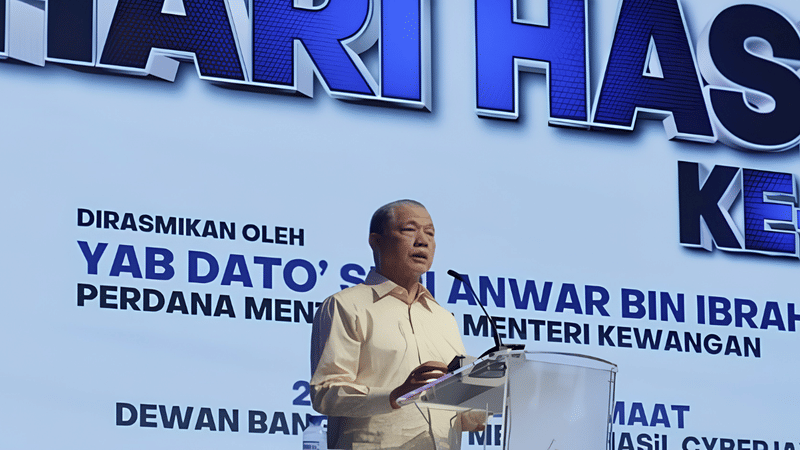
The proposal extends practices already implemented in the public sector, with the government positioning flexible work as a way to balance productivity with cost efficiency for both employers and employees.
Malaysia’s Prime Minister Anwar Ibrahim has called on private companies to adopt flexible work arrangements, including work-from-home (WFH), as part of a broader push to modernise operations and address rising economic pressures.
The proposal extends practices already implemented in the public sector, with the government positioning flexible work as a way to balance productivity with cost efficiency for both employers and employees.
Speaking at the launch of the 30th Inland Revenue Board Day celebration, in a speech delivered by Deputy Prime Minister Fadillah Yusof, Anwar underscored the need for businesses to rethink traditional workplace models in a rapidly evolving economic landscape.
“In facing the risk of cost pressures, employers should also be more flexible and pragmatic in managing operations,” he said.
“The private sector cannot remain comfortable with old methods in a world that has changed. Instead, this is the time to accelerate productivity improvements, increase investment in innovation and automation, and generate value-added and sustainability.”
Anwar, who also serves as Finance Minister, noted that flexible work arrangements could help reduce fuel consumption and ease financial burdens, while maintaining workforce productivity and morale.
He added that the government has already laid out a clear roadmap through the MADANI Economy framework, urging businesses to capitalise on policy support and reform-driven opportunities.
“All these aspirations will not become reality without a collective commitment to implement them wholeheartedly,” he said.
The Prime Minister also flagged broader global risks, including the ongoing West Asia conflict, warning of its potential spillover effects on Malaysia’s economy. He highlighted concerns such as rising logistics costs and wider systemic pressures if the situation persists.
“In these challenging times, the entire government machinery must strengthen governance, every ringgit must be spent prudently, leakages must be closed, and efforts to broaden the revenue base and improve compliance must be intensified,” he added.
The call signals a growing emphasis on workplace flexibility as a strategic lever for resilience, productivity, and long-term economic sustainability.
Topics
Author
Loading...