








Economy Policy
Malaysia tables key skills development amendment bills to strengthen future workforce





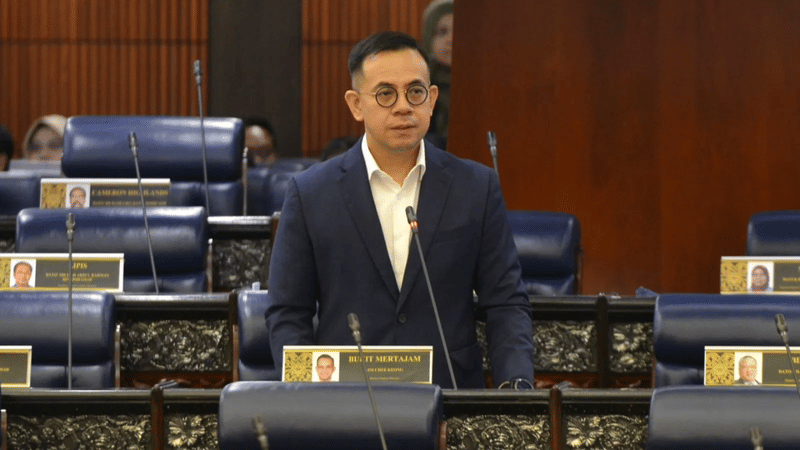
The amendments to the National Skills Development Act and the Skills Development Fund Act aim to make Malaysia’s workforce more adaptable, inclusive, and future-ready.
Malaysia has taken another significant step towards preparing its workforce for a rapidly changing economy. The Dewan Rakyat this week saw the tabling of two key amendment bills under the Ministry of Human Resources (KESUMA): the National Skills Development (Amendment) Bill 2025 [Act 652] and the Skills Development Fund (Amendment) Bill 2025 [Act 640].
The move, KESUMA said, is part of a broader effort to strengthen the country’s skills ecosystem, ensuring that Malaysians — including youth, women, and informal sector workers — can access recognised, industry-relevant training.
Under Act 652, the amendments focus on streamlining skills certification and making Technical and Vocational Education and Training (TVET) policies more inclusive. Key changes include expanding the membership of the National Skills Development Council, extending accreditation for training providers from three to six years, and introducing the Malaysian Modular Skills Certificate (MMSC) as a flexible pathway for lifelong learning.
Meanwhile, Act 640 seeks to widen the scope of financial assistance provided by the Skills Development Fund Corporation (PTPK). The changes will enable PTPK to support not just National Occupational Skills Standard (NOSS) programmes but also other industry-recognised training. Enhanced governance and stricter enforcement measures — including a 12-year limit on legal action and travel restrictions for defaulters — are also part of the reforms.
Minister of Human Resources Steven Sim described the amendments as a “strategic step” to make Malaysia’s skills system more responsive to industry needs and emerging technologies. KESUMA added that the move aligns with the MADANI agenda, which prioritises skills, welfare, and sustainable growth.
The second and third readings of both amendment bills are scheduled for debate in December 2025.
The move, KESUMA said, is part of a broader effort to strengthen the country’s skills ecosystem, ensuring that Malaysians — including youth, women, and informal sector workers — can access recognised, industry-relevant training.
Under Act 652, the amendments focus on streamlining skills certification and making Technical and Vocational Education and Training (TVET) policies more inclusive. Key changes include expanding the membership of the National Skills Development Council, extending accreditation for training providers from three to six years, and introducing the Malaysian Modular Skills Certificate (MMSC) as a flexible pathway for lifelong learning.
Meanwhile, Act 640 seeks to widen the scope of financial assistance provided by the Skills Development Fund Corporation (PTPK). The changes will enable PTPK to support not just National Occupational Skills Standard (NOSS) programmes but also other industry-recognised training. Enhanced governance and stricter enforcement measures — including a 12-year limit on legal action and travel restrictions for defaulters — are also part of the reforms.
Minister of Human Resources Steven Sim described the amendments as a “strategic step” to make Malaysia’s skills system more responsive to industry needs and emerging technologies. KESUMA added that the move aligns with the MADANI agenda, which prioritises skills, welfare, and sustainable growth.
The second and third readings of both amendment bills are scheduled for debate in December 2025.
Topics
Author
Loading...