








Economy Policy
Routine rains reduce weekly work hours across the Philippines, with casual workers most vulnerable: Study






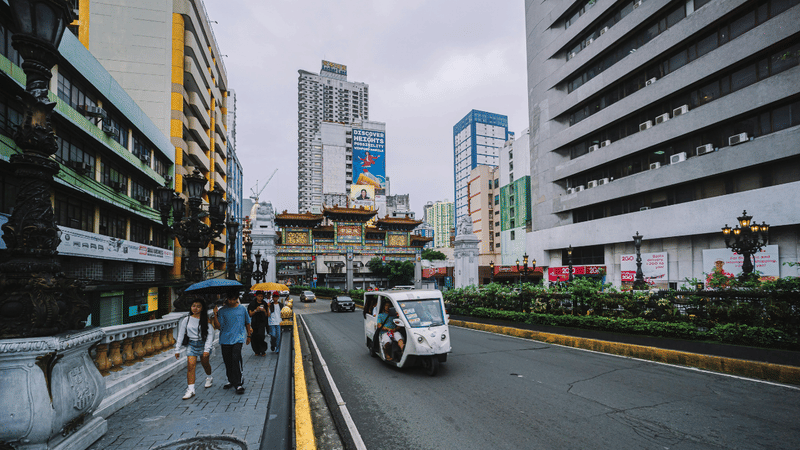
Farm labourers, fishery workers, construction workers and transport workers accounted for the largest share of employees affected by reduced working hours during rainy periods.
Average weekly work hours of Filipino workers are being reduced by routine rainfall - an often-overlooked workplace and economic challenge that researchers say requires stronger climate-responsive labour policies and infrastructure.
A new study by the Philippine Institute for Development Studies (PIDS) found that routine rainfall is cutting the number of hours Filipinos work each week, with workers in day-to-day and short-term jobs experiencing the greatest impact.
The study, 'When Rain Falls, Work Slows: Rainfall Variability and Working Hours in the Philippine Labor Market', found that frequent rainy periods, not just major typhoons or storms, are linked to measurable declines in weekly working hours, potentially affecting productivity, earnings and labour supply across the country.
Conducted by PIDS Research Specialist John Joseph Ocbina and Senior Research Fellow Dr. John Paolo Rivera, the research analysed nationally representative Labour Force Survey (LFS) data alongside regional rainfall records from the Philippine Atmospheric, Geophysical and Astronomical Services Administration (PAGASA).
The findings come as the southwest monsoon, or Habagat, continues to bring heavy rainfall across many parts of the Philippines.
Small weekly declines add up
The researchers found a statistically significant, though modest, negative relationship between rainfall and weekly hours worked.
"At the aggregate level, rainfall exerts a statistically significant but modest negative association with weekly hours worked," the authors said.
They added that while the reduction in hours may appear small at the individual level, repeated weather events affecting large numbers of workers could result in significant losses in labour input, productivity and earnings across sectors and regions.
Labour Force Survey data also showed that bad weather tends to shorten workweeks rather than halt employment altogether.
Among workers whose hours were reduced due to adverse weather, nearly 32% worked between 21 and 30 hours during the reference week, while around 31% worked only 11 to 20 hours. Another 17% logged 10 hours or fewer, highlighting the extent of lost working time during rainy periods.
Outdoor and casual workers most exposed
The study found that workers whose jobs rely on outdoor activity or physical presence are the most vulnerable to weather-related disruptions.
Farm labourers, fishery workers, construction workers and transport workers accounted for the largest share of employees affected by reduced working hours during rainy periods.
Regional disparities were also evident, with higher vulnerability recorded in areas that experience heavier rainfall, including the Cordillera Administrative Region, Caraga, Eastern Visayas and Bicol. These regions have a high concentration of agriculture, fisheries and other weather-sensitive industries.
The researchers noted that rainfall affects labour supply not only through direct exposure to adverse weather but also by disrupting mobility, production processes and supply chains.
Informal workers face greater income risks
According to the study, workers employed on day-to-day or short-term contracts are significantly more vulnerable to weather-related work disruptions than those in permanent employment.
"The pronounced sensitivity among precarious workers underscores the interaction between environmental shocks and labour market segmentation, with informal and casual workers bearing a disproportionate share of adjustment costs," the authors said.
The findings suggest that climate-related disruptions amplify existing labour market inequalities, as informal workers often have limited employment protections and less stable income streams.
The researchers argued that rainfall-induced reductions in working time should be viewed not merely as temporary productivity losses but as indicators of broader structural vulnerabilities linked to employment informality, sectoral composition and geographic exposure.
Call for climate-responsive labour policies
To help mitigate the impact of routine rainfall on workers and businesses, the study recommends strengthening climate-responsive labour regulations, expanding flexible work arrangements where feasible, investing in flood-resilient transport and workplace infrastructure, and providing targeted social protection for workers in weather-sensitive occupations.
The researchers said such measures could improve labour market resilience as climate variability increasingly affects day-to-day economic activity across the Philippines.
Topics
Author
Loading...