








Economy Policy
South Korea, U.S. agree to open visa desk for Korean companies




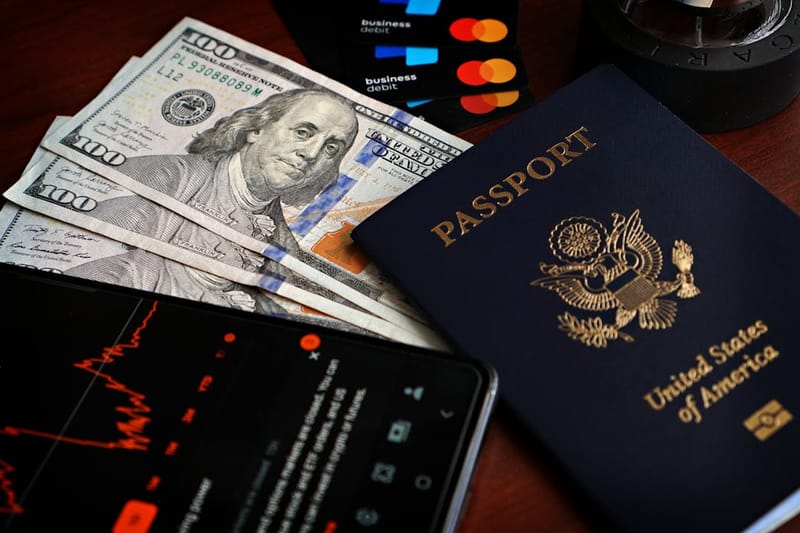
The 'Korean Investor Desk' will be set up at the U.S. Embassy in Seoul to help Korean companies on visa issues.
South Korea and the United States have agreed to establish a special ‘Korean Investor Desk’ in the U.S. Embassy in Seoul to handle visa-related concerns by Korean companies investing in the U.S.
The agreement comes nearly a month after U.S. immigration officials raided the construction site for a Hyundai-LG battery plant in Georgia, leading to the detention of hundreds of Korean workers over alleged visa violations.
South Korea’s Foreign Ministry said the decision was made on Tuesday during the inaugural session of the Korea-U.S. Business Travel and Visa Working Group, which was set up to discuss ways to improve the U.S. visa system and facilitate entry for South Korean business personnel. It included representatives from the U.S. State Department, Homeland Security, Commerce, and Labour, and South Korea’s Ministry of Trade, Industry, Energy, and SMEs and Startups.
In his opening remarks, U.S. Deputy Secretary of State Christopher Landau reaffirmed Washington’s commitment to supporting South Koreans working on investment projects in the country.
According to the foreign ministry, the new desk will serve as a dedicated channel for Korean companies to communicate with regarding guidance and consultations on visa issues. It is scheduled to launch in October, with further details to be posted on the U.S. Embassy’s website.
The ministry cited reassurances from the U.S. government that South Korean companies can use the B-1 visa and the Electronic System for Travel Authorization (ESTA) program to install, service, and repair equipment imported overseas during their investment project in the U.S.
Many South Korean nationals detained during the Georgia battery plant raid reportedly held B-1 and ESTA visas and the B-2 tourist visa. Images of the workers being led away in chains by U.S. law enforcement spread quickly across South Korean media, causing widespread outrage and putting multi-billion dollar investment projects by Korean conglomerates in limbo.
The Trump administration expressed regret over the detentions, with Landau conveying the message to his Korean counterparts in ministerial talks earlier in September.
Min Jeong-hoon, a professor of Korea-US relations at the Institute of Foreign Affairs and National Security under the Foreign Ministry, told the Korea Herald that Washington’s diplomatic gestures are meant to ease tensions but fell short of officially acknowledging wrongdoing in the incident.
“While it would be excessive to interpret this reaffirmation as either an official apology or the US admitting fault in ICE’s enforcement, it nevertheless serves as a message of reassurance to Korean companies, ” Min said.
Topics
Author
Loading...