








Economy Policy
Vietnam eases path to citizenship to boost skilled workforce



|
Updated on


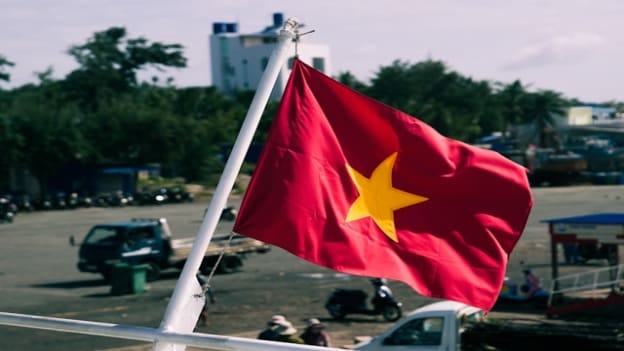
A new law will make it easier for highly skilled foreign workers to gain citizenship in Vietnam.
Vietnam's National Assembly approved the revision of the amended Law on Vietnamese Nationality on June 24, allowing for more flexible conditions for foreign investors, scientists, and other highly skilled workers seeking Vietnamese citizenship.
The law, which was overwhelmingly approved by the Assembly and is set to take effect on July 1, introduced new provisions enabling individuals who have made significant contributions to Vietnam's development and defence to bypass language proficiency and other minimum residency requirements.
Qualified individuals will also be allowed to retain their foreign nationality if they meet specific conditions and upon approval by the President, effectively expanding the scope of dual citizenship in Vietnam. They are also exempt from the mandatory requirement of a Vietnamese name and can choose one that combines their Vietnamese and foreign names.
Ministries and relevant agencies are also mandated to review and propose amendments within two years to ensure the revisions, particularly those concerning Vietnam dual citizenship, remain consistent with Vietnam's legal system.
The new law comes as Vietnam launched its largest wave of reforms in nearly 40 years, including easing stringent investment regulations to stimulate economic growth. It aims to outpace its competitors by 2030, particularly in artificial intelligence (AI) and semiconductors.
"This amendment to the Nationality Law is an important step to 'untie' legal constraints, opening up opportunities to attract valuable resources from the overseas Vietnamese community, including those in the technology and finance areas, to contribute to the country's development in the new era," the government said in an article on its news website in April.
Vietnam is especially wary of potential security threats from dual nationals due to a long history of conflict with foreign nations in the last century. While the Southeast Asian nation has allowed residents to take up dual citizenship since 2009, it was limited to very specific groups and restricted access to real estate, banking services, and other rights. In March, only 60 people were permitted to retain dual citizenship in Vietnam.
Vietnamese families often send their children abroad to study in the US, Europe, and Australia, with many choosing to emigrate permanently. According to the State Committee for Overseas Vietnamese, an estimated 6 million Vietnamese overseas, many of whom are working in science, technology, and finance industries.
To Lam, Communist Party General Secretary and Vietnam's top leader, also urged overseas Vietnamese to return and contribute to the country's growth.
"The homeland is always open to welcoming 'citizens far from home' to work together in building and developing the country," he said in a nationwide televised speech in June.
Author
Loading...