








Employee Engagement
47% Singapore workers feel constantly monitored: Report






About 15% of Singaporean workers reported feeling ‘overloaded’ by work, which is leading to higher stress, in addition to stricter digital oversight for attendance, productivity, and compliance by employers.
Singapore ranks among the world’s most closely watched workplaces, with new data pointing to rising unease over artificial intelligence (AI) and intensifying surveillance across offices, hybrid environments, and digital work systems.
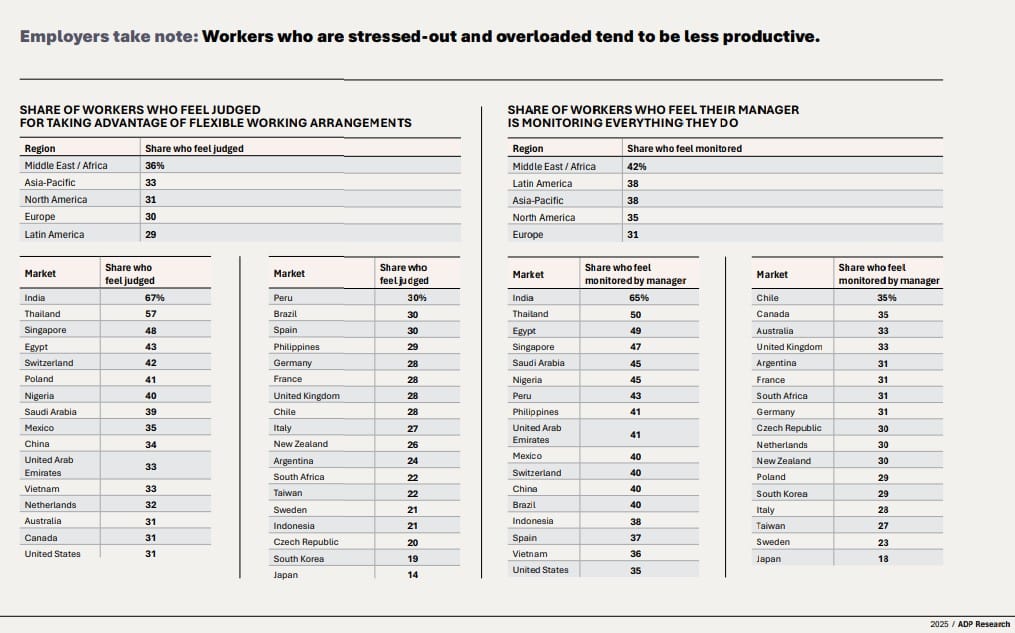
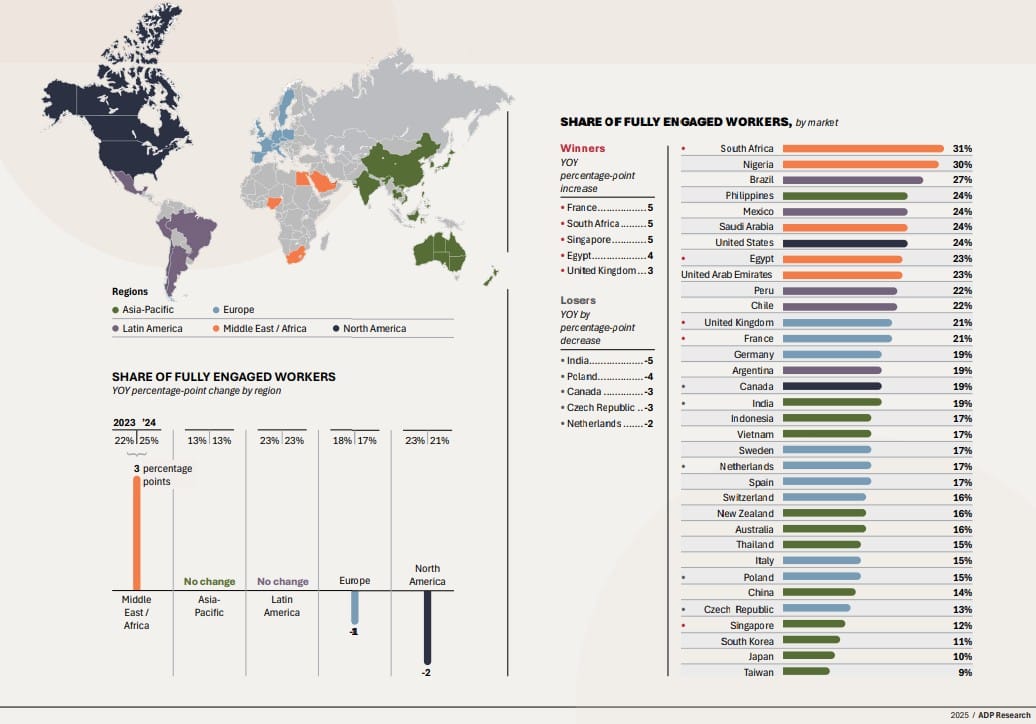
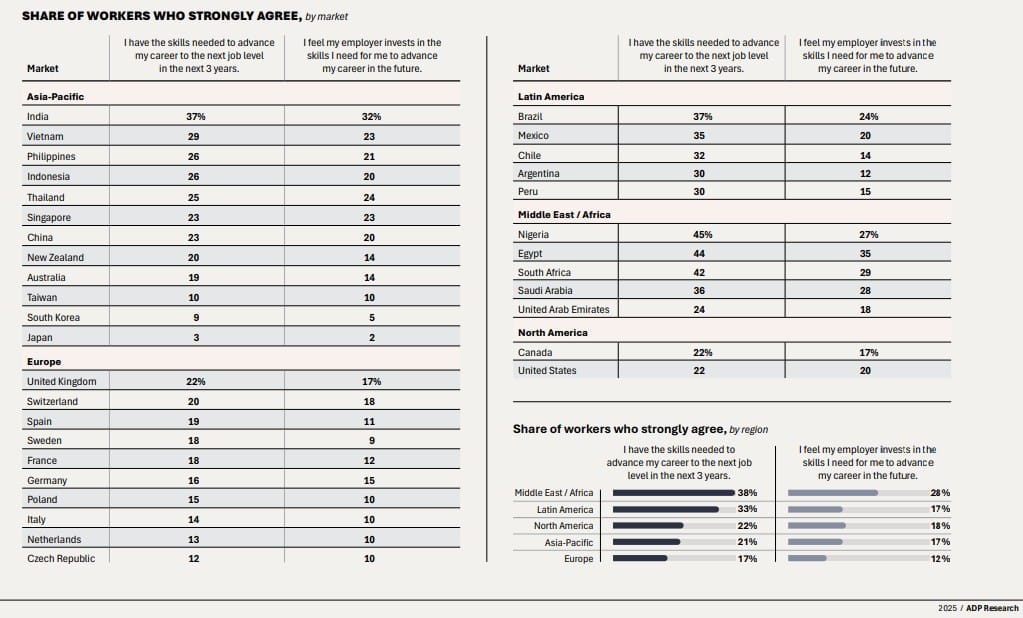
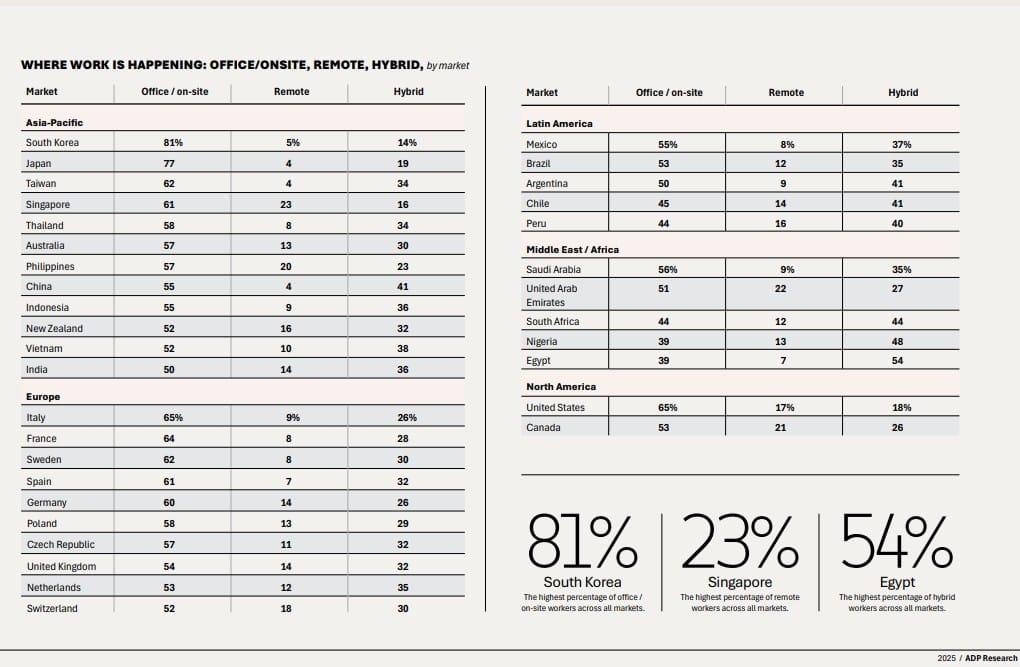
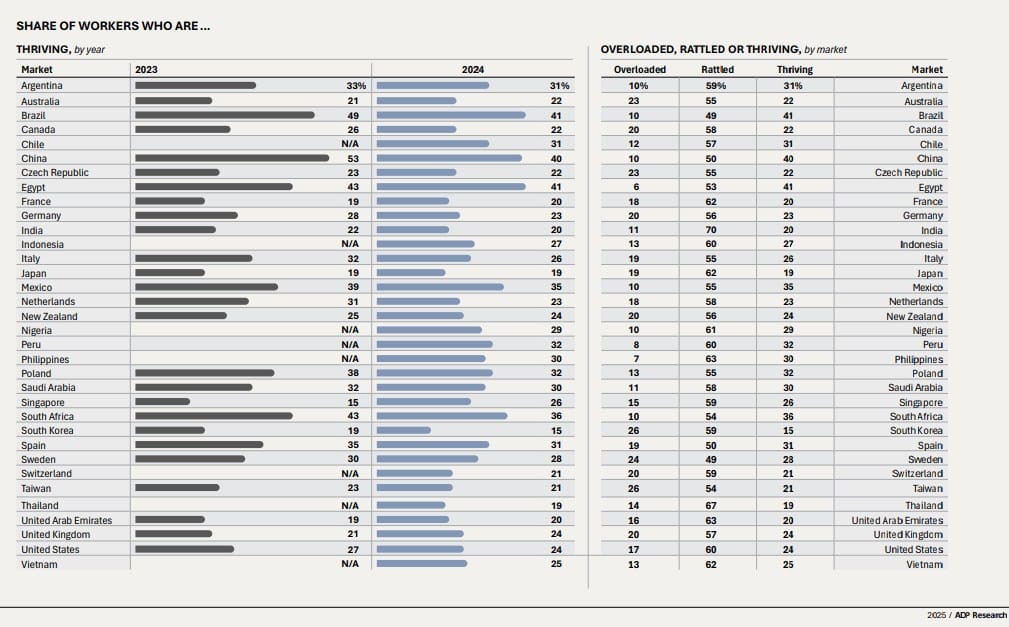
According to ADP’s People at Work 2025 report, 47% of employees in Singapore say they feel constantly monitored, and 48% feel judged, placing the nation among the top five countries out of 34 global markets. The other top spots for such close monitoring are taken by India (65%), Thailand (50%), Egypt (49%), and Saudi Arabia (45%).
The findings also highlight an emerging correlation between employee stress and the rapid spread of AI-driven and digital monitoring tools now embedded in HR platforms and productivity systems.
Singapore workers feeling ‘closely monitored’ and worn down
The report finds that Singapore’s workplace monitoring levels sit nine percentage points above the global average, underscoring the heightened pressure on employees navigating productivity tracking and hybrid-work accountability.
Globally, ADP’s data reveals a stark pattern among workers who feel under constant watch:
- They are four times more likely to rank among the least productive
- They are three times more likely to report feelings of stress
This finding aligns with growing concerns across Southeast Asia, where fast-paced digitalisation and performance technologies are reshaping long-standing assumptions around fairness, autonomy, and privacy at work.
Young workers feel higher AI anxiety
Beyond surveillance, uncertainty around AI’s impact on job security is becoming more pronounced.
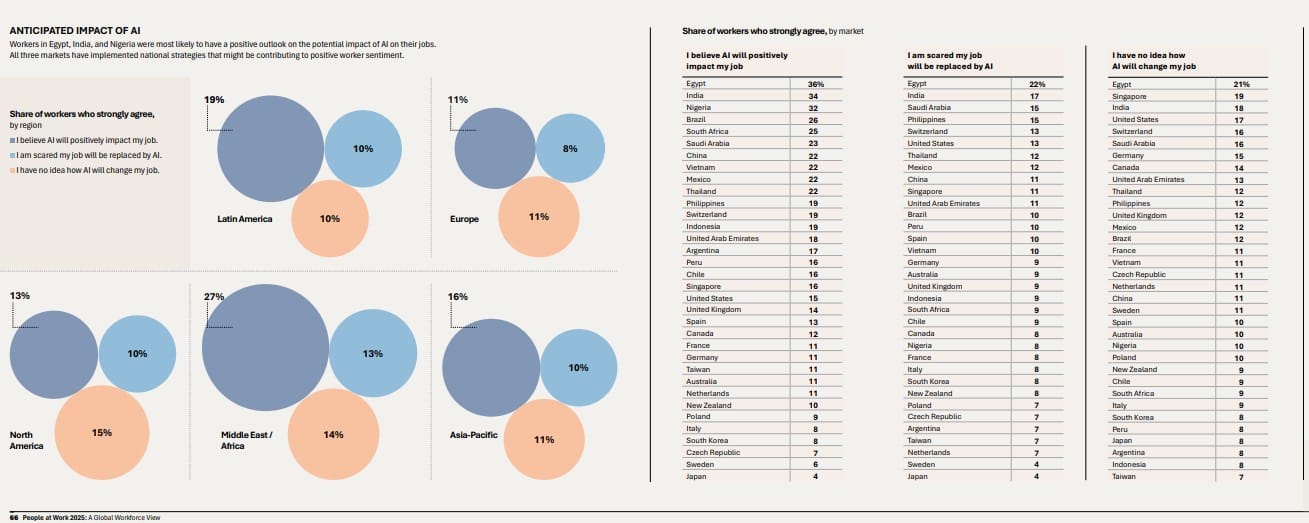
In Singapore, 19% of workers say they are unsure how AI will affect their roles, which is nine points higher than the Asia-Pacific average.
Knowledge workers such as programmers, academics, and creatives reported the highest levels of concern, almost double that of skilled task workers.
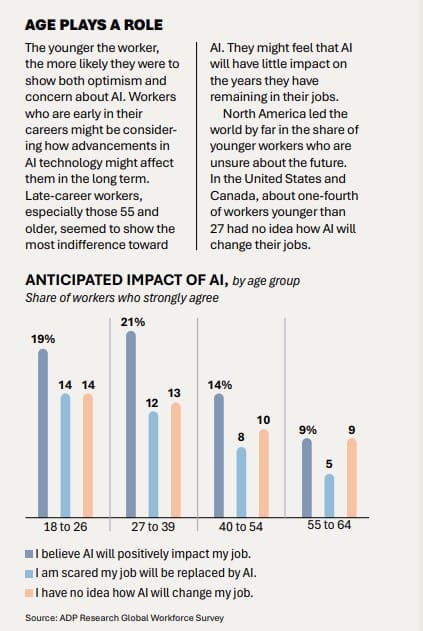
Younger adults feel the pressure most acutely: 23% of workers aged 18 to 26 say AI may disrupt or threaten their future roles.
Trust becomes non-negotiable in the workplace
The report underlines that absence on-the-job stress doesn’t
guarantee that workers will
thrive. Other factors, such as
workplace discrimination, a
lack of trusting relationships, also impact their productivity, engagement and career growth.
Jessica Zhang, Senior Vice President, ADP APAC, said the findings underscore the need for organisations to rethink how they deploy advanced technologies.
“Technology and talent are evolving in tandem, and the rise of AI and hybrid work is redefining how employees experience trust, purpose, and productivity,” Zhang said.
“To navigate this new landscape, organisations must deploy AI and other workplace tools responsibly, ensuring they support rather than strain the workforce. When businesses align digital transformation with clear communications and employee wellbeing, they build stronger trust, engagement, and sustainable performance.”
Zhang's remarks mirror growing calls across industries for clearer governance over employee data collection and greater transparency in monitoring practices.
For Southeast Asian employers, the report lands at a pivotal moment as they are accelerating AI integration, from automated customer service to workforce analytics.
Hybrid work has simultaneously driven employers to adopt stricter digital oversight for attendance, productivity, and compliance.
For Singapore, which is a regional hub for tech talent and knowledge work, the challenge ahead is in balancing innovation with worker wellbeing.
As organisations race toward digital transformation, the question of how to build, and sustain, trust in an age of pervasive monitoring is fast becoming a defining issue for the modern workplace.
Author
Loading...