








Employee Engagement
Work culture faces an identity crisis as engagement drops and burnout persists in 2026



 ||
||


Most employees still feel in the dark about what AI really means for them, and only 34% organisations have clearly communicated how AI will change roles and required skills
Global workplaces are entering 2026 with a critical challenge, starting with the true definition of culture, engagement, and leadership in an era shaped by AI, shifting work models, and persistent burnout.
A new workforce trends report by DHR Global paints a stark picture of rising disconnects between leaders and employees, from culture perception to communication around AI and return-to-office expectations, creating a new test for organisational trust.
Culture matters, but employees say it isn’t working
Culture remains deeply important to employees, with 93% saying it shapes their experience. Yet only 36% believe their company culture is actually well defined and performance-driven. Instead, nearly half describe culture as reactive and inconsistent, while others say it feels vague and poorly shaped.
The erosion of shared office environments has amplified this disconnect. With fewer daily in-person interactions, workers now prioritise recognition and autonomy over symbolic perks.
But perhaps the most striking divide lies between leadership and the front line:
- 77% of C-suite leaders say culture is “very important”
- Only 37% of entry-level employees agree
- Leaders are 2.5x more likely to believe culture is well defined
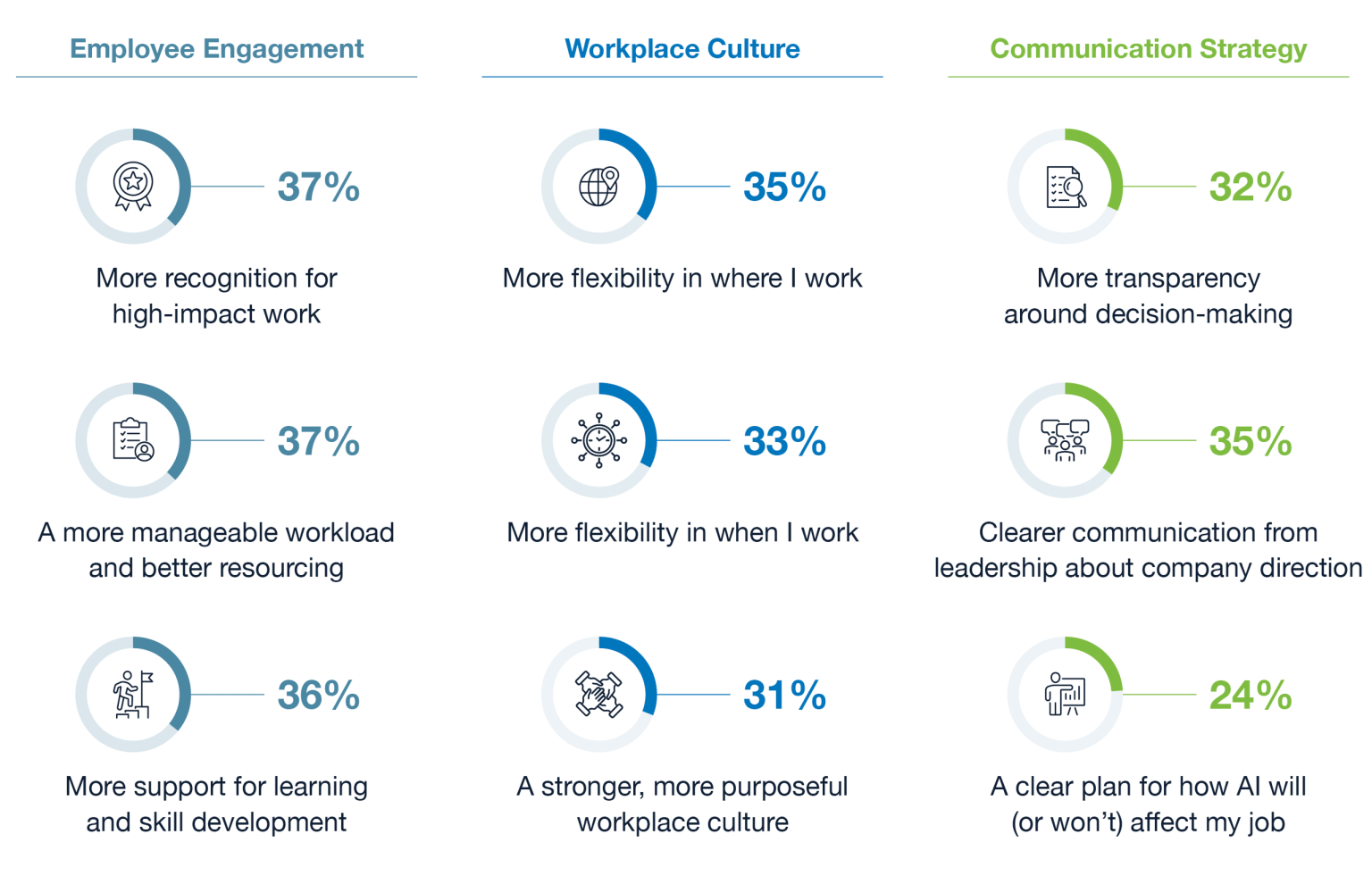
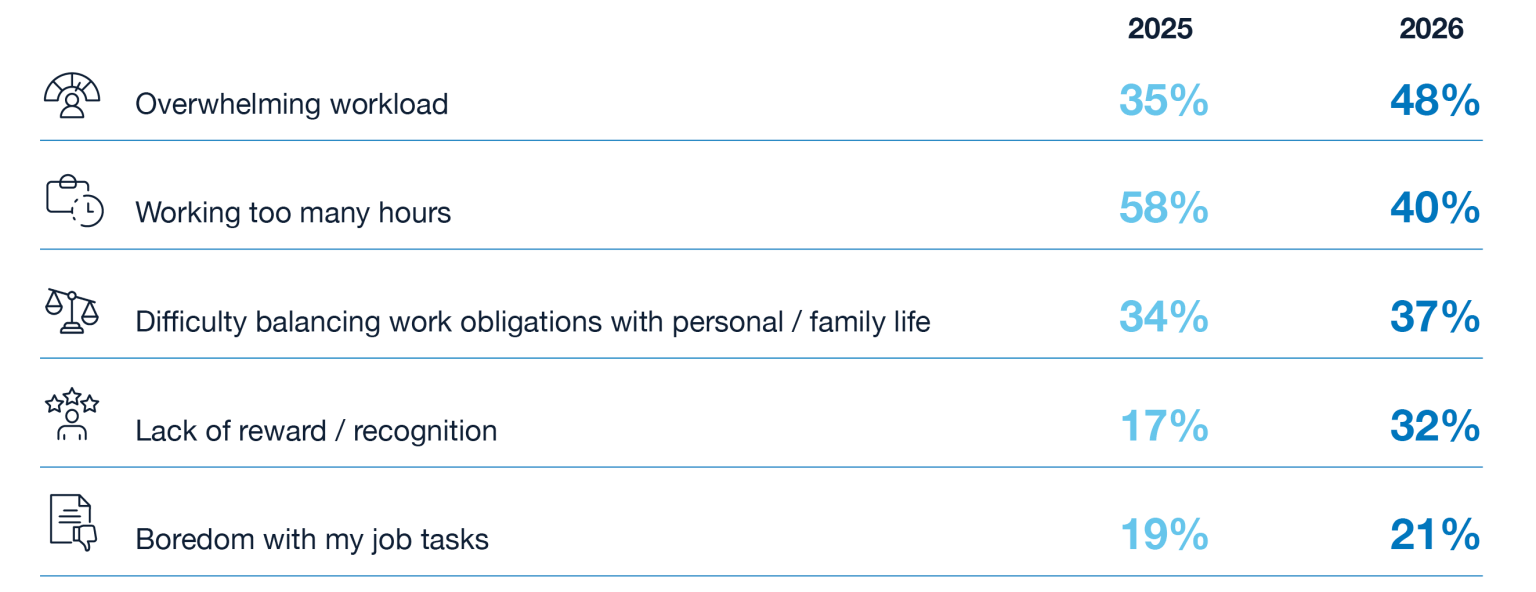
The message is: leaders may set cultural intentions, but employees aren’t feeling them. Recognition, flexibility, and purposeful values now top the list of desired improvements. Burnout data reinforces that need, employees citing lack of recognition as a burnout driver has nearly doubled year-over-year.
Engagement drops sharply, and burnout refuses to fade
Employee engagement has fallen dramatically, dropping from 88% in 2025 to just 64% this year. Asia reports the lowest engagement levels, followed by Europe and North America.
Professional development now stands as the number-one driver of engagement, ahead of flexibility and AI tools. As hybrid work and AI become “normal,” their novelty-driven engagement boost has faded, while uncertainty about the future has grown. Meanwhile, burnout remains stubbornly high:
- 83% of employees report burnout
- Retail, tech, and healthcare are hit hardest
- Workload and long hours remain the top causes
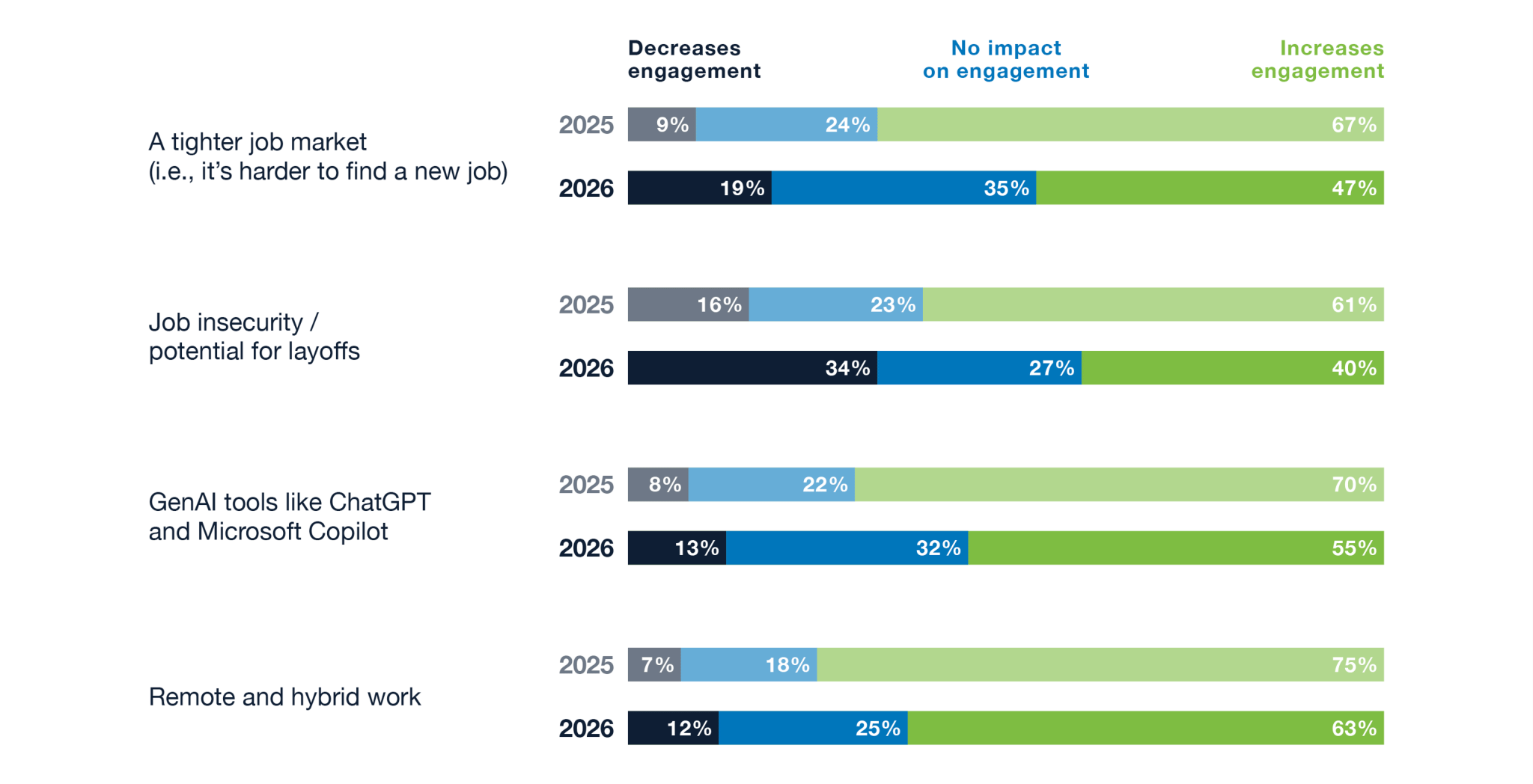
Burnout is also increasingly linked to disengagement, with 52% now saying it directly erodes their motivation and commitment. Additionally, younger and early-career professionals are suffering the most, a worrying signal for future talent pipelines and retention stability.
The AI paradox
AI has cemented itself into the workplace, with 39% reporting productivity gains, particularly in Asia and Europe. Organisations are reshaping learning priorities and even creating new roles to manage AI systems.
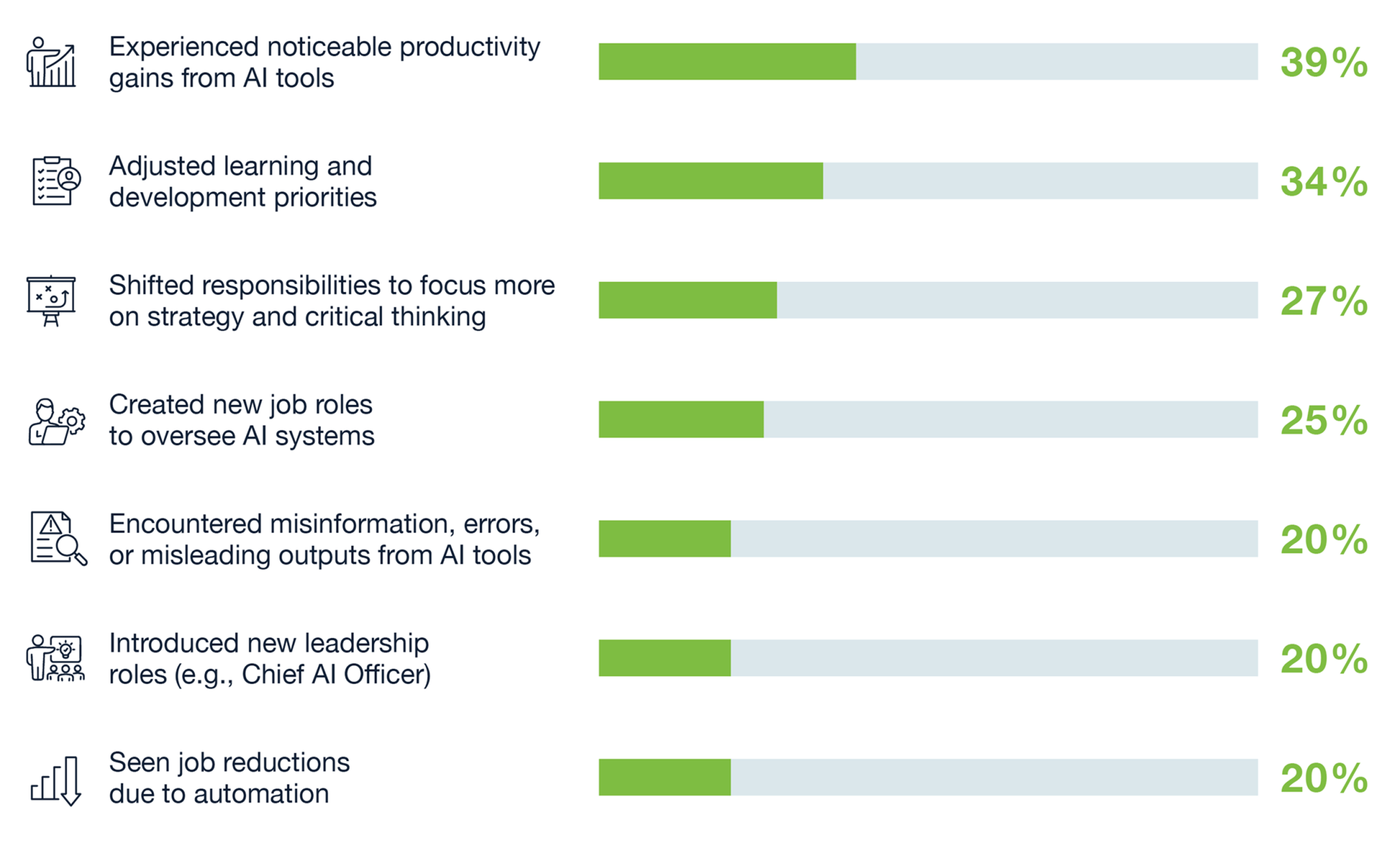
However, most employees still feel in the dark about what AI really means for them. Only 34% say their organization has clearly communicated how AI will change roles and required skills.
The communication gap is steeply hierarchical:
- 69% of C-suite leaders believe AI strategy has been clearly communicated
- Only 12% of entry-level employees agree
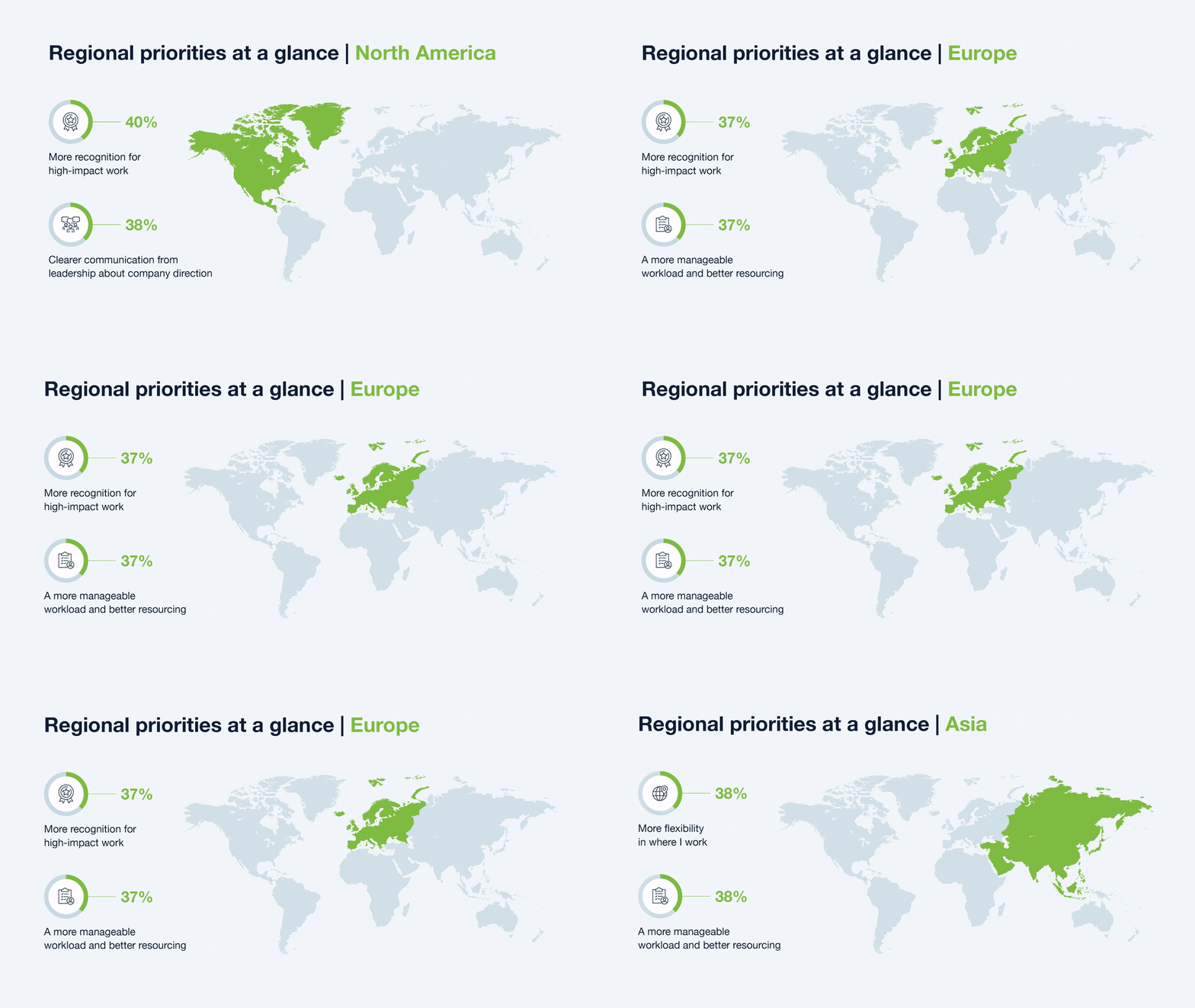
The tech sector again shows what “good” looks like: clearer communication, higher AI-driven engagement, and stronger culture alignment.
RTO: A test of trust
Return-to-Office mandates continue to reshape global work dynamics, but support is far from universal.
38% have been directly impacted by RTO
Only 34% fully support their organisation’s approach
North America shows the strongest opposition
C-suite leaders overwhelmingly support RTO, far more than junior employees
The underlying issue is trust, not location. Employees want choice, clarity, and a say in how office expectations are shaped. Without that, mandates feel arbitrary, and loyalty erodes.
What leaders must do now
Across culture, burnout, AI, and work models, the message to leadership is consistent: employees want authenticity, participation, clarity, and fairness, not just policy.
To rebuild trust and resilience, leaders must:
Make culture visible and lived, not theoretical
Build recognition programs that actually reach people
Manage workloads realistically
Invest meaningfully in professional development
Communicate AI strategy clearly and consistently
Treat RTO as a partnership, not a directive
Above all, leaders must invite employees into the conversation. Culture, engagement, and resilience can no longer be delivered top-down, they must be built together.
As organisations prepare for another year of uncertainty, the question is no longer whether culture, engagement, and AI matter. It’s whether leaders can turn intention into trust, and strategy into shared experience. That may be the real competitive advantage in 2026.
Topics
Author
Loading...