








Employee Skilling
DOLE strengthens skills recognition pathways for professionals and Overseas Filipino Workers






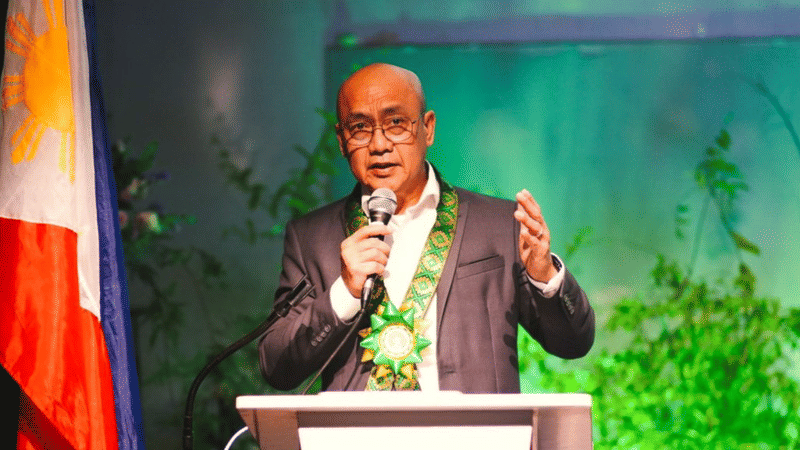
Gonzales also outlined DOLE’s integrated support mechanisms, including job matching, career development services, livelihood and entrepreneurship assistance, and youth employability programmes for qualified beneficiaries.
The Department of Labor and Employment (DOLE) has reinforced its commitment to workforce advancement by supporting expanded skills recognition pathways for professionals and overseas Filipino workers (OFWs) under the Expanded Tertiary Education Equivalency and Accreditation Program (ETEEAP).
The initiative was highlighted during the ETEEAP sa Bagong Pilipinas Forum: Pag-angat ng Kasanayan, Paghubog ng Kinabukasan (Advancing Skills, Shaping the Future) in Manila. The event underscored the government’s push to empower Filipino workers by recognising their competencies and translating them into formal academic qualifications.
Administered by the Commission on Higher Education (CHED), the ETEEAP provides individuals with the opportunity to earn a college degree without undergoing traditional classroom residency. The programme acknowledges prior learning, professional experience, and industry-acquired skills, enabling workers to secure formal credentials.
As a key partner, DOLE supports beneficiaries through skills training, employment facilitation, and integrated pathways that transform work experience into recognised academic achievements. Through ETEEAP, working professionals and returning OFWs can convert their expertise into qualifications that open doors to improved employment and livelihood opportunities.
CHED Chairperson Shirley Agrupis emphasized that ETEEAP is being strengthened as a vital national pathway for lifelong learning and workforce development, with strong backing from Ferdinand R. Marcos Jr..
“The President has underscored the importance of institutionalising ETEEAP as part of our long-term strategy to recognise the skills and experience of Filipino workers. We are advancing this to ensure its sustainability and wider reach,” Agrupis said.
She added that collaboration among industry partners and higher education institutions remains central to the programme’s success, ensuring that graduates are not only credentialed but also aligned with labour market demands.
Speaking at the forum, DOLE Assistant Secretary Joel Gonzales highlighted the department’s role in translating skills recognition into tangible opportunities.
“ETEEAP recognises the skills and experience of our workers. DOLE ensures that these translate into real opportunities—jobs and livelihoods. We are building a coordinated pathway for every Filipino worker. In the New Philippines, no worker will be left behind,” Gonzales said, translating the Filipino phrase “Sa Bagong Pilipinas, walang manggagawang maiiwan.”
Gonzales also outlined DOLE’s integrated support mechanisms, including job matching, career development services, livelihood and entrepreneurship assistance, and youth employability programmes for qualified beneficiaries.
Other officials present at the event included CHED Executive Director Cinderella S. Benitez-Jaro and CHED National Capital Region Director Marco Cicero-Domingo.
The forum concluded with a unified commitment among government agencies and partner institutions to expand access to education, strengthen workforce competitiveness, and foster inclusive national development through skills recognition and lifelong learning.
Topics
Author
Loading...