








Employee Skilling
Trust, training and ecosystem support redefine Singapore’s migrant domestic workforce
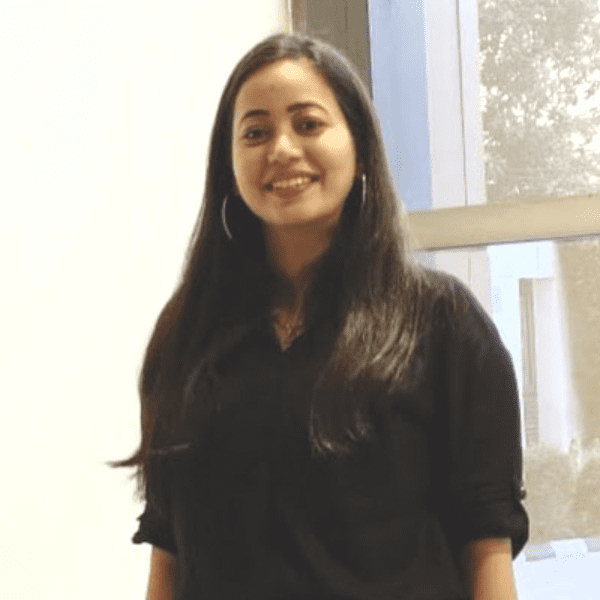






Industry leaders noted that many workers are proactively pursuing training during their rest days, equipping themselves with specialised caregiving competencies.
Singapore’s migrant domestic worker (MDW) ecosystem is evolving beyond traditional employment arrangements, with trust, professional upskilling and structured industry support emerging as defining workplace trends.
At the Lunar New Year awards ceremony organised last week by the Association of Employment Agencies (Singapore) (AEA(S)), speakers and industry stakeholders highlighted how the sector is being reshaped by deeper employer-worker partnerships and stronger institutional backing.
From transactional to transformational relationships
One of the clearest workplace shifts is the move from purely contractual arrangements to long-term, trust-based relationships. Award recipients with more than two decades of service underscored how mutual respect, communication and cultural adaptation can transform domestic employment into enduring partnerships.
Language barriers that once posed challenges are increasingly addressed through mutual learning, signalling a two-way integration model rather than a one-sided adjustment process. Such examples reflect a broader shift toward relationship-centric employment practices.
Upskilling becomes central to caregiving roles
As Singapore’s population ages, caregiving responsibilities within households are becoming more complex. Domestic workers are increasingly taking on medically nuanced roles, from dementia care to chronic illness management.
Industry leaders noted that many workers are proactively pursuing training during their rest days, equipping themselves with specialised caregiving competencies. This trend signals a professionalisation of the domestic workforce, where skills development is no longer optional but essential.
The shift also reframes domestic workers as skilled home-based care partners, particularly in elderly households, rather than solely household helpers.
Employment agencies as ecosystem enablers
Behind successful placements is a growing recognition of the role played by employment agencies (EAs). Beyond matching workers to employers, agencies are acting as mediators, cultural interpreters and early problem-solvers when tensions arise.
AEA(S), as the sector’s trade association, has intensified capability-building initiatives to raise standards across agencies. Its 2024 CONNECT Workshop pilot, conducted in partnership with Singapore’s Ministry of Manpower, targeted employers who frequently changed domestic workers.
By identifying root causes and improving communication of expectations, the programme aims to foster more sustainable matches. This reflects a broader workplace insight, retention challenges are often systemic rather than individual, requiring structured interventions rather than reactive replacements.
Well-being enters the conversation
Another notable trend is the increasing attention to worker well-being. Initiatives such as dedicated rest spaces, mental wellness programmes and community-building platforms signal recognition that sustainable employment outcomes depend on holistic support.
NGOs and community partners were acknowledged as key contributors in this area, offering training, recreational activities and social networks that strengthen resilience among workers.
Preparing for demographic pressures
With Singapore facing rising eldercare demands, stakeholders emphasised the need for a stronger, more coordinated ecosystem, involving agencies, employers, NGOs and workers themselves.
The central insight: future workforce stability in the domestic sector will hinge not only on recruitment pipelines, but on retention, skill development and structured support systems.
As Singapore enters the Year of the Horse, industry leaders framed the moment as an opportunity to build a more resilient, professional and relationship-driven domestic workforce, one grounded in dignity, capability and shared responsibility.
Topics
Author
Loading...