








HR Effectiveness
Ford brings back 300 engineers after AI fails to match human expertise






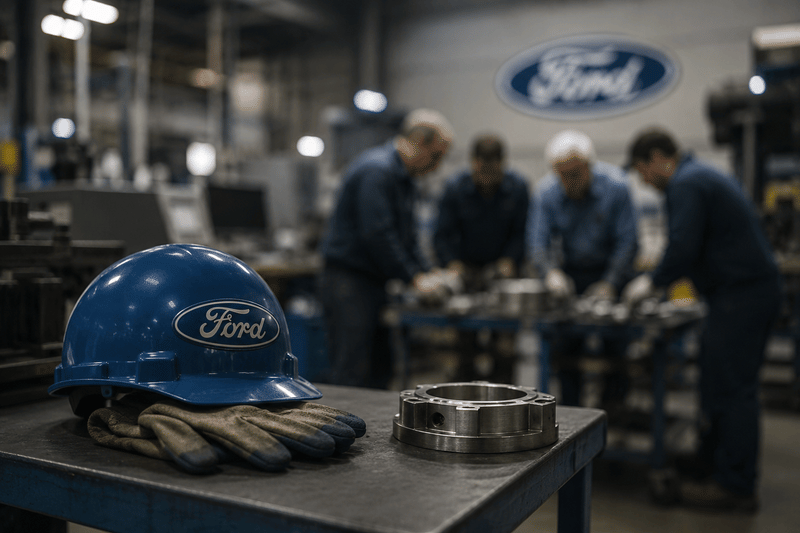
The automaker says experienced engineers have played a key role in improving vehicle quality after automated inspection systems fell short in identifying complex manufacturing issues.
As companies across industries accelerate AI adoption and reduce headcount, Ford Motor Company is highlighting the limits of automation in manufacturing. The automaker has brought back more than 300 veteran engineers and technical specialists after concluding its AI-powered quality inspection systems could not fully replace decades of human expertise.
According to Bloomberg, Ford executives said the move formed part of a broader effort to improve vehicle quality after automated systems failed to consistently detect complex manufacturing issues before production.
Experienced engineers return to the factory floor
Ford said the rehiring effort focused on experienced specialists with deep product and manufacturing knowledge accumulated over multiple vehicle development cycles.
Speaking to reporters, Charles Poon, Vice President of Vehicle Hardware Engineering at Ford, said AI remains an important tool but depends heavily on the quality of the information used to train it.
He acknowledged the company had previously underestimated the value of experienced engineers who had worked across several generations of vehicle development.
Chief Operating Officer Kumar Galhotra said Ford had increasingly relied on automated quality systems but found they did not consistently deliver the desired outcomes.
According to Bloomberg, Galhotra said the company brought back technical specialists who identify potential failure points before components reach the assembly line.
AI supports quality control but cannot replace judgement
Ford has invested in AI-driven inspection systems to streamline manufacturing and strengthen quality control across its production operations.
However, company executives said automated systems struggled to replicate the judgement and practical experience required to identify complex engineering problems.
The company said the renewed focus on experienced engineering talent formed part of a wider transformation aimed at improving manufacturing quality.
According to a Ford statement, achieving "best-in-class quality" required a significant refresh of its engineering organisation, including leadership changes across engineering, manufacturing and supply chain functions alongside the recruitment of approximately 300 veteran engineers.
Quality rankings improve
Ford's renewed emphasis on experienced engineering talent has coincided with stronger quality performance.
According to the latest J.D. Power Initial Quality Study, Ford ranked as the highest-performing mainstream automotive brand in the United States. It marked the company's first top ranking in the survey in 16 years.
The result represented a significant improvement from the previous year's rankings, when Ford placed tenth among mainstream brands and performed below the industry average.
At the same time, the company remains the most recalled automaker in the United States based on older vehicle issues. Ford executives attributed many of those recalls to legacy quality problems rather than the current engineering approach.
AI adoption continues across industries
Ford's experience comes as organisations across sectors expand the use of artificial intelligence to automate repetitive work, improve productivity and lower operating costs.
Many employers have linked restructuring programmes to AI investments, although industry observers continue to debate how much workforce reduction can be directly attributed to the technology.
Ford's latest comments suggest the company views AI as an important complement to experienced engineers rather than a complete replacement for them, particularly in areas where complex technical judgement remains critical.
As manufacturers continue integrating AI into production, Ford's approach illustrates a broader lesson emerging across industries: technology can enhance human expertise, but replacing decades of practical experience remains a far more difficult challenge.
Topics
Author
Loading...